When it comes to transporting dry gravel, selecting the right conveying method is crucial for efficiency, cost-effectiveness, and operational safety. The choice of conveying system can significantly impact the overall performance of a project, whether in construction, mining, or industrial applications. Among the various options available, pneumatic conveying stands out as a highly effective solution, offering a range of advantages that make it a preferred choice for many industries. This article explores the different dry gravel conveying methods and delves into the key advantages and features of pneumatic conveying, highlighting why it has become a leading technology in the field.
Understanding Dry Gravel Conveying Methods
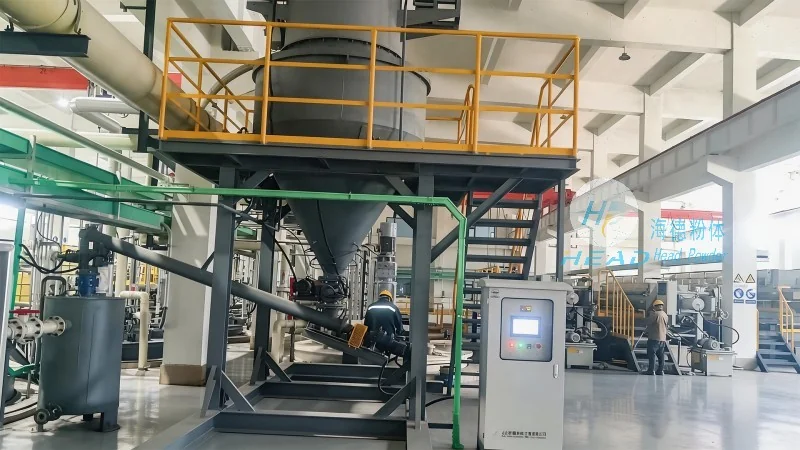
Dry gravel, characterized by its loose, granular structure and varying particle sizes, requires specialized handling to ensure smooth and efficient transport. Traditional conveying methods, such as belt conveyors or screw conveyors, may face challenges when dealing with dry gravel due to issues like material buildup, blockages, and wear on equipment. In contrast, pneumatic conveying uses air to transport dry gravel through a pipeline system, eliminating the need for mechanical contact with the material. This approach not only reduces maintenance costs but also minimizes the risk of contamination and product degradation.
Types of Dry Gravel Conveying Systems
There are several types of dry gravel conveying systems, each with its own set of applications and characteristics. The primary categories include:
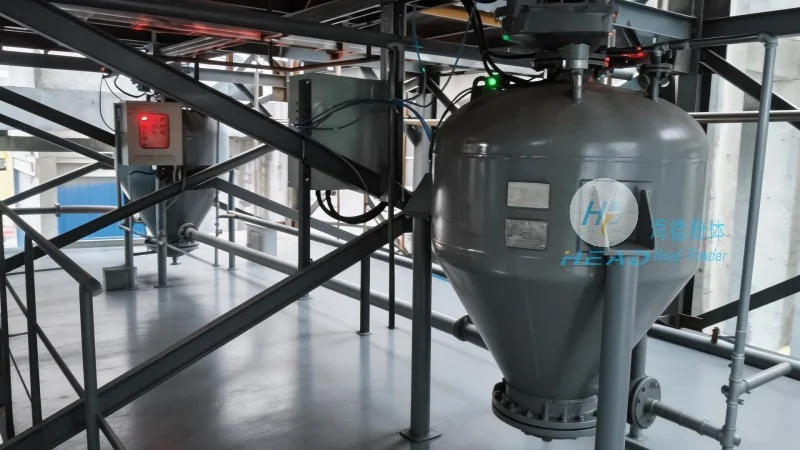
- Positive Pressure Pneumatic Conveying: This method uses a blower or compressor to generate positive pressure, pushing the dry gravel through the pipeline. It is ideal for short to medium distances and can handle a wide range of particle sizes, making it suitable for bulk material transport in construction sites and mining operations.
- Negative Pressure (Vacuum) Pneumatic Conveying: In this system, a vacuum is created to draw the dry gravel into the pipeline. It is commonly used for long-distance transport and is particularly effective for applications requiring gentle handling of delicate or abrasive materials. The vacuum system can also help in controlling dust emissions, contributing to a cleaner working environment.
- Combined Pressure and Vacuum Systems: These systems combine both positive and negative pressure elements, offering flexibility in conveying dry gravel over varying distances and through complex layouts. They are often used in industrial settings where the material needs to be transported from multiple sources to a central processing facility.
The Advantages of Pneumatic Conveying for Dry Gravel
Pneumatic conveying offers numerous advantages over traditional mechanical methods, making it the preferred choice for many dry gravel applications. Some of the key benefits include:
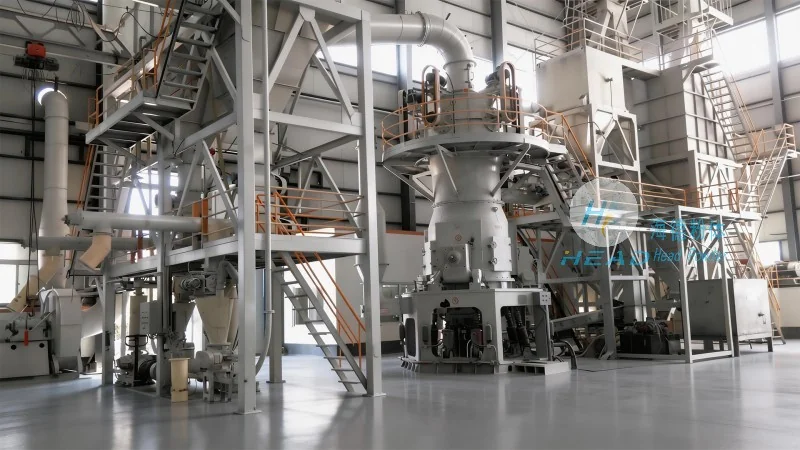
- High Efficiency and Capacity: Pneumatic conveying systems can handle large volumes of dry gravel at high speeds, ensuring rapid material transfer. The ability to transport material over long distances without the need for intermediate transfer points enhances operational efficiency.
- Reduced Maintenance and Operating Costs: By eliminating mechanical components like belts, chains, or screws, pneumatic systems reduce wear and tear, leading to lower maintenance requirements. The absence of moving parts also minimizes energy consumption, resulting in cost savings over time.
- Environmental Benefits: Pneumatic conveying helps in controlling dust and particulate emissions, as the material is enclosed within the pipeline. This not only improves air quality at the worksite but also complies with environmental regulations, making it a sustainable choice for industrial operations.
- Flexibility and Adaptability: Pneumatic systems can be easily configured to accommodate changes in material flow rates or pipeline layout. They can be integrated with other processing equipment, such as crushers or screens, to form a complete material handling system. This flexibility allows for seamless integration into existing operations or new projects.
- Safe and Gentle Handling: The air-based transport method minimizes the risk of material degradation or damage, as the dry gravel is not subjected to mechanical friction or impact. This is particularly important for sensitive or high-value materials, ensuring that the product reaches its destination in optimal condition.
Features of Pneumatic Conveying Systems
Beyond the advantages, pneumatic conveying systems come with several notable features that enhance their performance and usability:
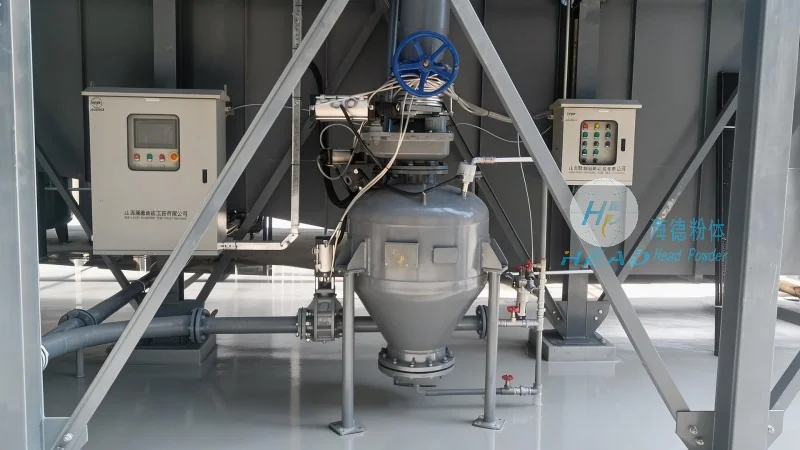
- Modular Design: Most pneumatic conveying systems are modular, allowing for easy installation and expansion. This means that the system can be scaled up or down to meet changing production demands without significant modifications.
- Controlled Flow Rate: Advanced control systems enable precise regulation of the air flow and material feed rate, ensuring consistent and reliable transport. This feature is crucial for maintaining product quality and preventing overloading or underloading of the system.
- Integration with Automation: Pneumatic conveying can be integrated with automated control systems, allowing for real-time monitoring and adjustment of the conveying process. This enhances operational efficiency and reduces the need for manual intervention.
- Low Noise and Vibration: Compared to mechanical conveyors, pneumatic systems operate with lower noise levels and minimal vibration, contributing to a quieter and more comfortable working environment.
Application Examples in Dry Gravel Handling
Pneumatic conveying is widely used in various applications involving dry gravel, including:
- Construction Sites: In building projects, dry gravel is often transported from stockpiles to construction areas for foundation work or road laying. Pneumatic systems can efficiently move large quantities of gravel over short to medium distances, improving site productivity.
- Mining Operations: Mining sites require the transport of large volumes of dry gravel from extraction areas to processing facilities. Pneumatic conveying helps in moving the material without the need for heavy machinery, reducing operational costs and improving safety.
- Industrial Processing: In industries such as cement production or aggregate processing, dry gravel is used as a raw material. Pneumatic systems can transport the material from storage to processing equipment, ensuring a continuous and efficient production flow.
Conclusion
Choosing the right dry gravel conveying method is essential for optimizing operational performance and ensuring cost-effective material transport. Among the various options, pneumatic conveying stands out as a highly efficient and versatile solution, offering numerous advantages over traditional mechanical methods. Its ability to handle large volumes, reduce maintenance costs, and provide environmental benefits makes it an ideal choice for a wide range of applications. As the demand for efficient material handling continues to grow, pneumatic conveying technology will likely remain a key component in the dry gravel transport industry. For businesses seeking reliable and sustainable solutions for dry gravel conveying, partnering with a reputable engineering company like Shandong HeadPowder Engineering Co., Ltd. can provide the expertise and equipment needed to achieve optimal results.




