

Operation Process and Working Principle of Automatic Continuous Pneumatic Conveying Equipment
Shandong HeadPowder Engineering Co., Ltd., a leading manufacturer based in Shandong, China, specializes in the design, development, and production of advanced pneumatic conveying systems. The company's expertise lies in providing efficient and reliable solutions for material handling, particularly through its automatic continuous pneumatic conveying equipment. This article delves into the operation process and working principle of such systems, highlighting their key components, operational mechanisms, and practical applications.
Key Components of Automatic Continuous Pneumatic Conveying Systems
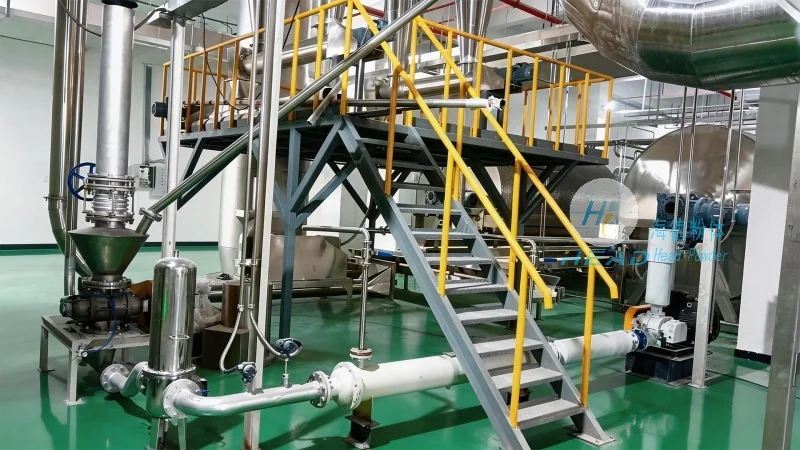
Automatic continuous pneumatic conveying equipment typically consists of several critical components that work in tandem to ensure smooth material transport. The main elements include a hopper or feed hopper for material storage, a conveyor line (often a flexible or rigid pipe), a blower or air compressor to generate the necessary airflow, a control system for regulating pressure and flow, and a discharge unit for delivering the material to its destination. Each component plays a vital role in maintaining the system's efficiency and reliability.
Working Principle of Pneumatic Conveying
The core working principle of pneumatic conveying involves the use of compressed air to transport bulk materials through a pipeline. In an automatic continuous system, the process begins with material being fed from the hopper into the conveyor line. The blower then generates a high-pressure airflow that propels the material particles forward. The air and material mixture travels through the pipeline, with the control system adjusting the airflow rate to maintain optimal conveying conditions. As the material reaches the discharge point, the air is separated from the material, often through a cyclone separator or a filter, allowing the material to be collected while the air is either recirculated or vented.
Operation Process of Automatic Continuous Systems
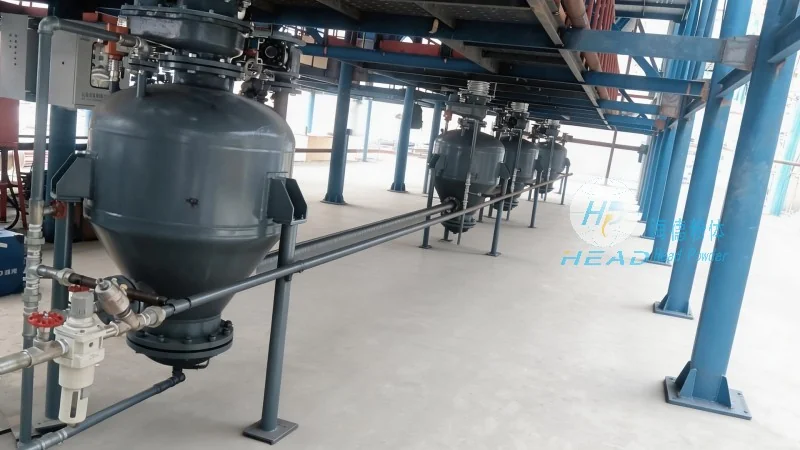
The operation process of an automatic continuous pneumatic conveying system is designed for seamless, unattended operation. The system starts by filling the feed hopper with the material to be conveyed. Once the hopper is at the desired level, the control system activates the blower, initiating the airflow. The material is then continuously fed into the conveyor line, where it is carried by the air stream to the discharge point. The control system monitors parameters such as pressure, flow rate, and material level, adjusting the blower speed or feed rate as needed to maintain stable operation. This continuous process ensures that material is transported efficiently without interruptions, making it ideal for high-volume applications in industries like food, pharmaceuticals, chemicals, and minerals.
Advantages of Automatic Continuous Pneumatic Conveying
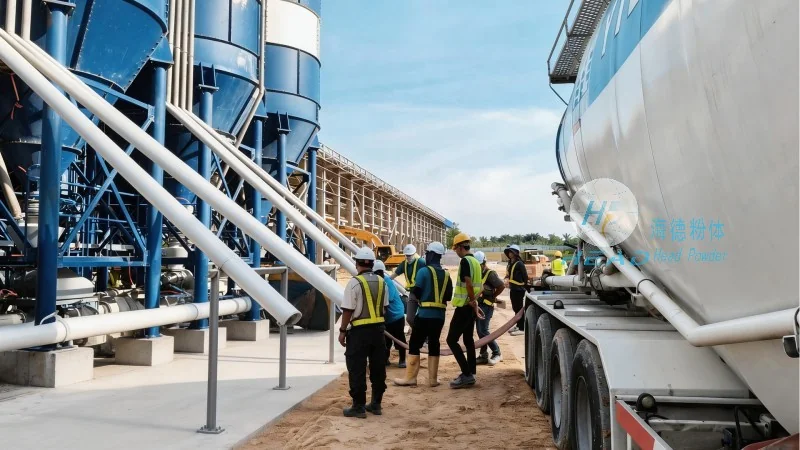
Automatic continuous pneumatic conveying systems offer numerous advantages over traditional material handling methods. These include reduced labor costs due to automated operation, improved safety by minimizing manual handling of bulk materials, and enhanced hygiene, which is particularly important in industries like food and pharmaceuticals. The systems also provide better control over material flow, reducing the risk of contamination and ensuring consistent product quality. Additionally, the continuous operation allows for higher throughput compared to batch systems, making them suitable for large-scale production environments.
Applications in Various Industries
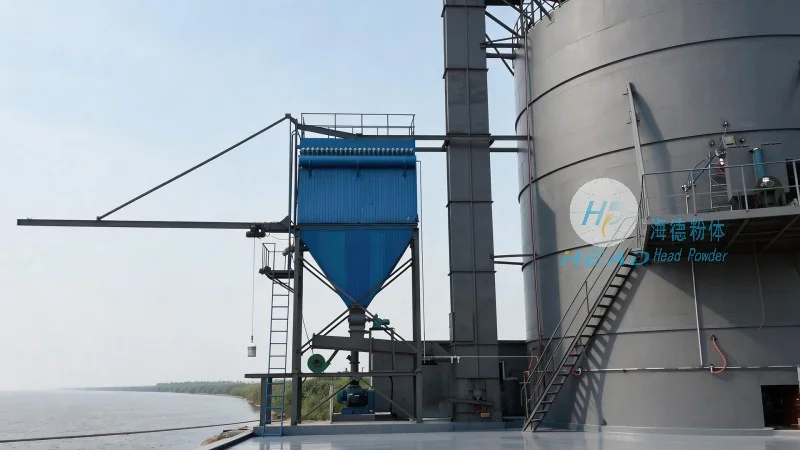
The versatility of automatic continuous pneumatic conveying equipment makes it applicable across a wide range of industries. In the food industry, it is used for transporting grains, powders, and other food products with strict hygiene requirements. The pharmaceutical industry relies on such systems for handling active pharmaceutical ingredients (APIs) and other sensitive materials, ensuring that the conveying process meets stringent regulatory standards. In the chemical industry, the equipment is used to transport powders and granules, including those that are abrasive or corrosive, with minimal risk of material degradation. The minerals and mining sector also benefits from these systems for transporting raw materials like coal, ore, and sand, improving operational efficiency and reducing downtime.
Maintenance and Operational Considerations
To ensure the longevity and optimal performance of automatic continuous pneumatic conveying systems, regular maintenance is essential. This includes checking and replacing air filters to maintain clean airflow, inspecting the conveyor line for blockages or wear, and monitoring the blower and control system for any signs of malfunction. Proper maintenance not only extends the lifespan of the equipment but also prevents operational disruptions. Additionally, operators should be trained to handle any issues that may arise, such as material buildup or air pressure fluctuations, to ensure smooth and continuous operation. By adhering to these maintenance practices, users can maximize the efficiency and reliability of their pneumatic conveying systems.