Long-distance pneumatic conveying equipment is a crucial industrial solution for transporting bulk materials over significant distances with efficiency and reliability. Understanding its operation process and working principle is essential for optimizing material handling operations in various industries, including food processing, chemical manufacturing, and mining. As a leading provider of advanced material handling solutions, Shandong HeadPowder Engineering Co., Ltd. specializes in designing and manufacturing high-quality long-distance pneumatic conveying systems tailored to the specific needs of its clients.
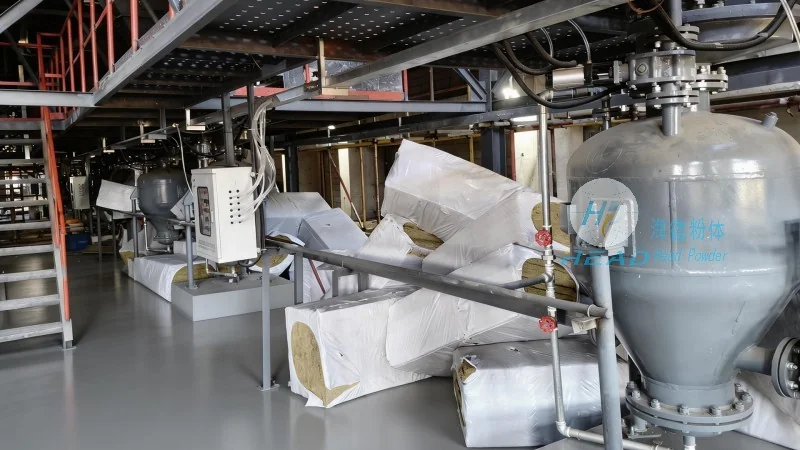
Introduction to Long-Distance Pneumatic Conveying Systems
Long-distance pneumatic conveying systems utilize air or gas as the medium to transport solid materials from a source to a destination. These systems are widely adopted due to their ability to handle a variety of materials, including powders, granules, and fine particles, while minimizing product contamination and maintaining consistent flow rates. The core components of such systems typically include a material feed hopper, a conveying line (often equipped with pressure or vacuum units), and a discharge device. The system's design is tailored to the specific characteristics of the material being transported, such as particle size, density, and moisture content, ensuring optimal performance.
Key Components of Long-Distance Pneumatic Conveying Equipment
The effectiveness of long-distance pneumatic conveying equipment relies on several critical components that work in harmony to facilitate material transport. The material feed hopper is the initial stage where bulk materials are introduced into the system. It often features a rotary valve or a gate valve to control the flow rate and prevent material backflow. The conveying line, which can be either positive pressure or negative pressure (vacuum) type, is responsible for moving the material through the system. Positive pressure systems use compressed air to push the material forward, while vacuum systems use suction to draw the material. The choice between these two depends on the material's properties and the distance to be covered. Additionally, the conveying line may include components like bends, expansion joints, and filters to maintain system efficiency and prevent material blockages. The discharge device, such as a rotary valve or a gate valve, regulates the release of material at the destination, ensuring controlled and uniform discharge.
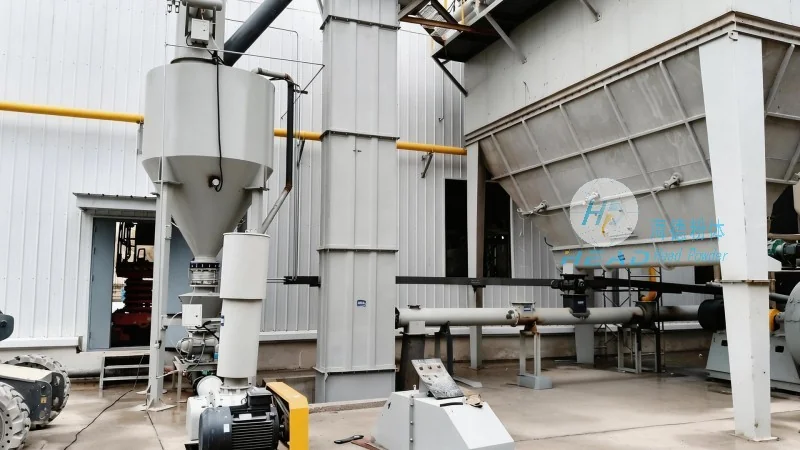
Operation Process of Long-Distance Pneumatic Conveying
The operation process of long-distance pneumatic conveying equipment involves several sequential steps that ensure smooth material transport. The process begins with the loading of bulk materials into the feed hopper. The rotary valve or gate valve at the hopper controls the material flow into the conveying line. Simultaneously, the air compressor or vacuum pump generates the necessary pressure or vacuum to initiate material movement. In positive pressure systems, compressed air is introduced into the conveying line, creating a pressure differential that propels the material forward. The material, suspended in the air stream, travels through the conveying line, which may include various sections such as straight runs, bends, and vertical lifts. The conveying line's design, including the diameter and length, is optimized to minimize pressure drop and maintain consistent air velocity. As the material reaches the discharge point, the air flow is adjusted to allow controlled discharge into the receiving container. The system continuously monitors pressure and flow rates to ensure stable operation and prevent issues like blockages or excessive pressure buildup.
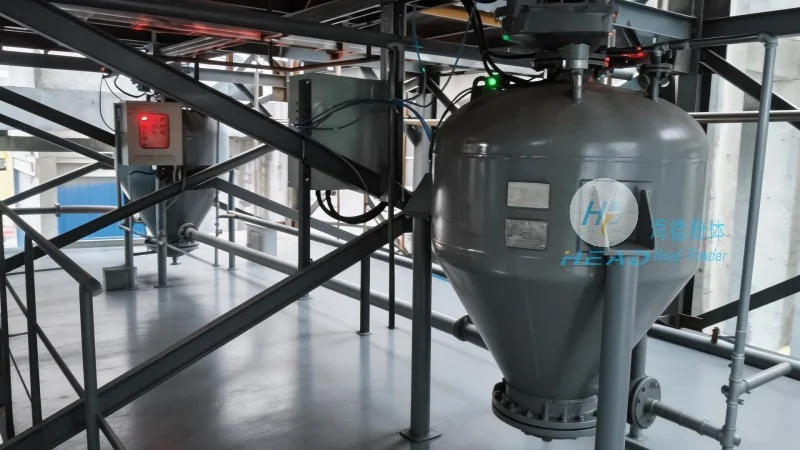
Working Principle of Long-Distance Pneumatic Conveying
The working principle of long-distance pneumatic conveying equipment is based on the principles of fluid dynamics and particle suspension. In positive pressure systems, compressed air is introduced into the conveying line, creating a high-pressure environment that forces the material particles to be carried by the air stream. The air velocity must be sufficient to overcome the gravitational force acting on the particles and maintain them in suspension. The particle size, density, and shape influence the required air velocity and pressure. For example, fine powders may require higher air velocities to remain suspended, while larger granules may need lower velocities. In vacuum systems, the air pump creates a low-pressure environment, drawing the material particles into the conveying line. The vacuum level is adjusted to ensure the material is drawn efficiently without causing excessive air leakage or system failure. The interaction between the air flow and the material particles is critical for maintaining a stable flow and preventing material degradation or segregation.
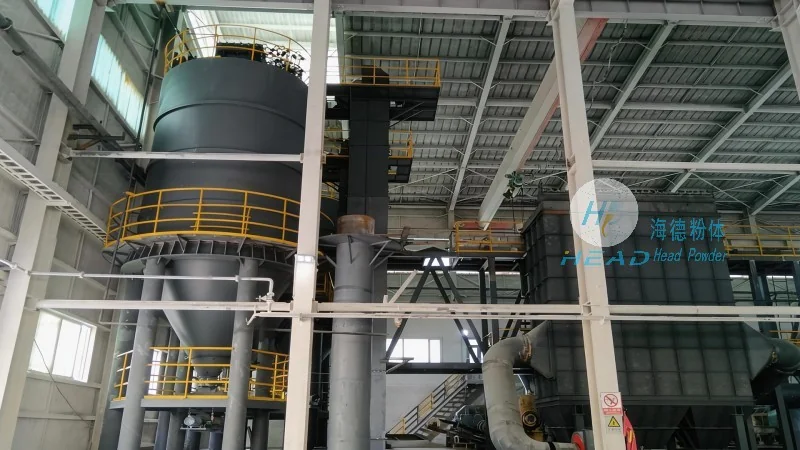
Applications and Benefits of Long-Distance Pneumatic Conveying
Long-distance pneumatic conveying equipment is applied in a wide range of industries due to its versatility and efficiency. In the food industry, it is used for transporting powders like flour, sugar, and spices, ensuring hygienic and contamination-free handling. In chemical manufacturing, it facilitates the transport of raw materials and finished products, such as powders and granules, while maintaining strict safety standards. The mining industry utilizes these systems for transporting ore and other bulk materials from mines to processing facilities. The benefits of long-distance pneumatic conveying include reduced labor costs, minimized material handling time, and improved safety compared to traditional methods like belt conveyors or trucks. Additionally, the systems can be designed to handle hazardous materials, as they do not require direct human contact with the material, reducing the risk of exposure to toxic substances. The flexibility of the system allows for easy integration into existing production lines, making it a cost-effective solution for material transport needs.
Maintenance and Optimization of Long-Distance Pneumatic Conveying Systems
Proper maintenance and optimization are essential to ensure the long-term performance and reliability of long-distance pneumatic conveying equipment. Regular maintenance tasks include cleaning the conveying line and filters to prevent material buildup and pressure drop, inspecting the air compressor or vacuum pump for wear and tear, and checking the feed hopper and discharge device for proper operation. The system's performance can be optimized by monitoring key parameters such as air pressure, flow rate, and material flow rate. Adjustments to the system, such as changing the air velocity or modifying the conveying line diameter, can improve efficiency and reduce energy consumption. Additionally, using high-quality materials for the conveying line and components can extend the system's lifespan and minimize maintenance costs. Proper training of operators on the system's operation and maintenance is also crucial to prevent operational issues and ensure safe and efficient material transport.




