

Operation Process and Working Principle of a Dry Desulfurizer Pneumatic Conveying System
At Shandong HeadPowder Engineering Co., Ltd., we specialize in providing advanced solutions for industrial gas handling, with a focus on efficient and reliable dry desulfurizer pneumatic conveying systems. Our systems are designed to meet the demanding requirements of modern industrial applications, ensuring optimal performance and durability. This article will explore the operation process and working principle of such systems, highlighting the key components and their functions.
Key Components of the Pneumatic Conveying System
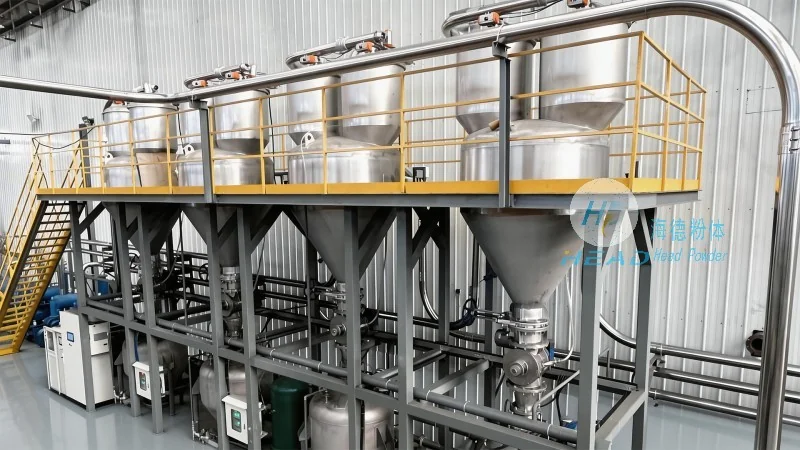
The dry desulfurizer pneumatic conveying system typically consists of several critical components that work in tandem to transport desulfurizer materials. These components include the hopper, feeder, air compressor, conveying line, and receiver. Each part plays a vital role in the overall operation, contributing to the system's efficiency and effectiveness.
The hopper serves as the storage container for the desulfurizer, providing a consistent supply of material to the feeder. The feeder, often a rotary valve or a screw feeder, regulates the flow of desulfurizer into the conveying line. The air compressor generates the necessary air pressure to create the conveying airflow, which propels the desulfurizer particles through the system. The conveying line, usually made of metal or plastic, transports the material from the feeder to the receiver. Finally, the receiver collects the desulfurizer at the end of the conveying line, completing the process.
Working Principle of the System
The operation of the dry desulfurizer pneumatic conveying system is based on the principle of pneumatic transport, where air is used to move solid particles. The process begins when the feeder releases desulfurizer into the conveying line. Simultaneously, the air compressor supplies high-pressure air into the line. The air and desulfurizer particles mix, forming a slurry-like mixture that is propelled forward by the air flow. As the mixture travels through the conveying line, it maintains a consistent velocity, ensuring that the desulfurizer reaches the receiver without significant loss or degradation.
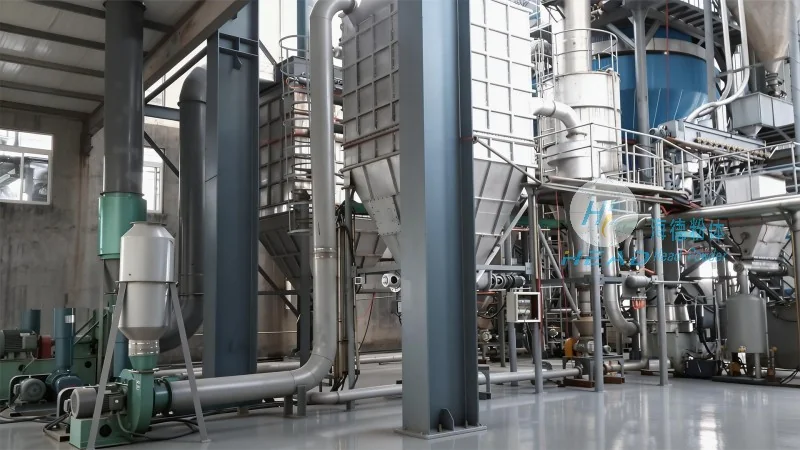
During the conveying process, the system maintains a stable pressure and flow rate. The air compressor continuously supplies air to maintain the necessary pressure differential between the hopper and the receiver. This differential pressure ensures that the desulfurizer is continuously drawn from the hopper and transported to the receiver. The system is designed to handle various types of desulfurizer, including powders and granules, with minimal segregation or agglomeration.
Operation Process: Step-by-Step Overview
The operation process of the dry desulfurizer pneumatic conveying system can be broken down into several key steps. First, the desulfurizer is loaded into the hopper. The feeder then starts to release the material at a controlled rate. The air compressor is activated, and the conveying line is pressurized. As the air flows through the line, it picks up the desulfurizer particles and transports them to the receiver. The receiver collects the material, and the process repeats as needed. This continuous operation allows for a steady supply of desulfurizer to downstream processes, such as in power plants or industrial facilities.
Advantages of Using a Pneumatic Conveying System
There are several advantages to using a dry desulfurizer pneumatic conveying system over traditional methods like belt conveyors or bucket elevators. One of the primary benefits is the ability to transport materials over long distances with minimal maintenance. The system is also more flexible, as it can be easily adjusted to handle different types of desulfurizer or to change the conveying rate. Additionally, the system is less prone to material degradation or contamination, as the desulfurizer is enclosed in the conveying line and not exposed to the environment.
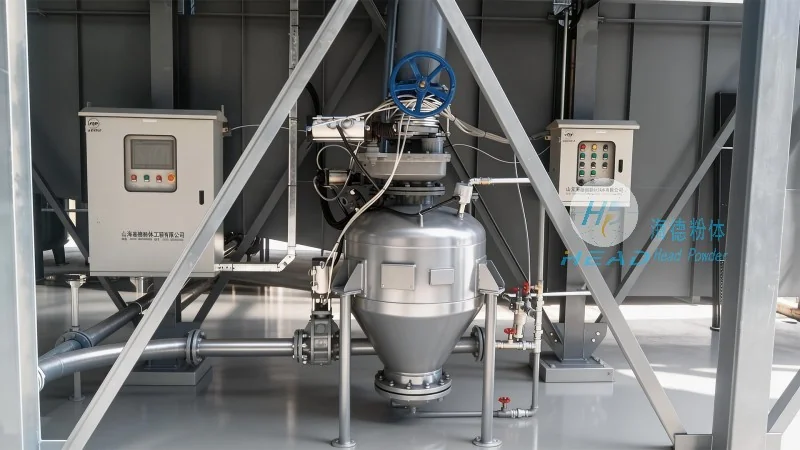
Another advantage is the energy efficiency of the system. By using compressed air to transport the material, the system can achieve higher throughput with lower energy consumption compared to other methods. This makes it an attractive option for industrial applications where energy costs are a significant concern. Furthermore, the system is more hygienic and safer to operate, as it eliminates the need for manual handling of desulfurizer, reducing the risk of dust exposure or accidents.
Applications and Industries
Dry desulfurizer pneumatic conveying systems are widely used in various industries, particularly in power generation, chemical manufacturing, and industrial processing. In power plants, these systems are used to transport desulfurizer to the flue gas desulfurization (FGD) units, where it is used to remove sulfur dioxide from the exhaust gases. The system ensures a consistent supply of desulfurizer, which is critical for maintaining the efficiency and effectiveness of the FGD process.
In chemical manufacturing, the systems are used to transport desulfurizer to reactors or other processing equipment. The ability to handle different types of desulfurizer and to adjust the conveying rate makes the system suitable for various chemical processes. Additionally, the system's flexibility allows it to be integrated into existing industrial setups with minimal modifications.