Operation Process and Working Principle of Powder Electrolyte Pneumatic Conveying System
Release time:2026-09-20 06:01:33
name of the company:Shandong Headpowder Engineering Co., Ltd.
telephone:156-6277-7102
contacts:Zhang manager
For industries dealing with fine powder materials, especially electrolytes used in battery production and other electrochemical applications, efficient and reliable material handling is crucial. The powder electrolyte pneumatic conveying system, developed by Shandong HeadPowder Engineering Co., Ltd. (referred to as headpowder), offers a sophisticated solution to transport these sensitive materials with precision and minimal loss. This system integrates advanced engineering principles to ensure stable operation and optimal performance in various industrial settings.
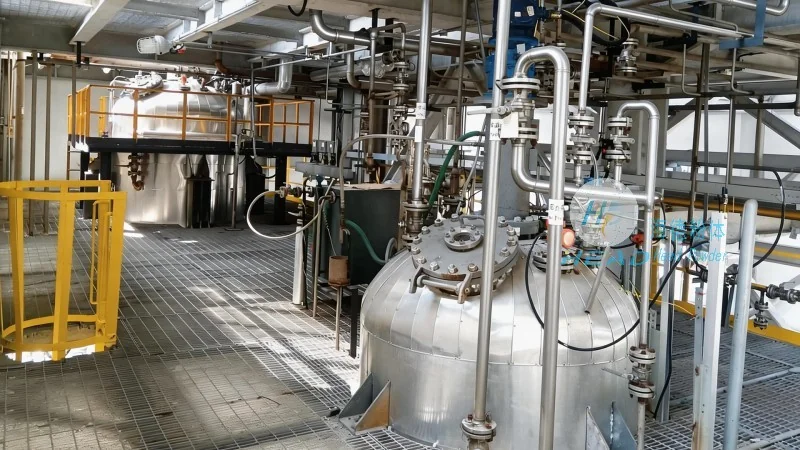
Company Overview: Shandong HeadPowder Engineering Co., Ltd.
Headpowder, a leading manufacturer in the field of material handling equipment, is headquartered in Shandong, China. With years of experience in designing and manufacturing pneumatic conveying systems, the company specializes in providing customized solutions tailored to the unique needs of clients. The company’s commitment to quality, innovation, and customer satisfaction has established it as a trusted partner in the industry. All systems are designed and manufactured under stringent quality control standards to meet international and local regulations.
Working Principle of the Powder Electrolyte Pneumatic Conveying System
The core of the pneumatic conveying system lies in the use of compressed air to transport powder materials through a pipeline. For powder electrolytes, which are often hygroscopic and sensitive to moisture, the system is engineered to maintain optimal conditions during transport. The process begins with the material being fed into a hopper or feeder, where it is then introduced into the conveying line. Compressed air, supplied by a dedicated air compressor, creates a flow that propels the powder particles through the pipeline. The system typically includes components such as a rotary valve for controlled feeding, a filter to prevent dust from escaping, and a pressure regulator to maintain consistent air pressure. The design ensures that the powder moves smoothly without agglomeration or degradation, which is critical for maintaining the material's quality and performance.
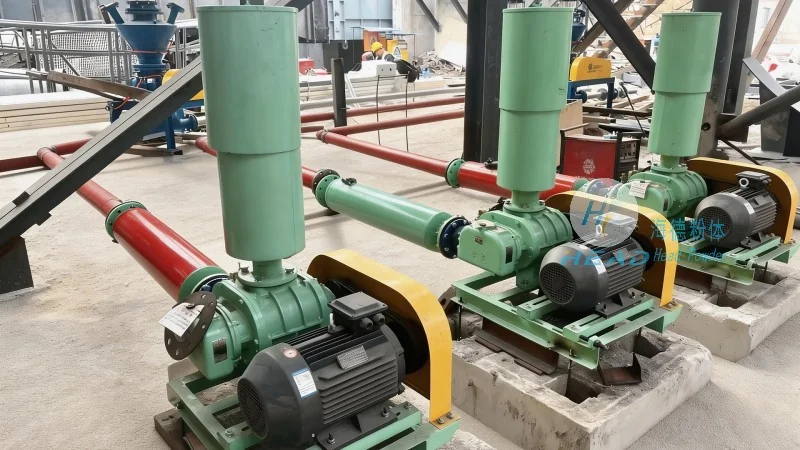
Key Components and Their Functions
The powder electrolyte pneumatic conveying system consists of several key components, each playing a vital role in the overall operation. The primary components include:
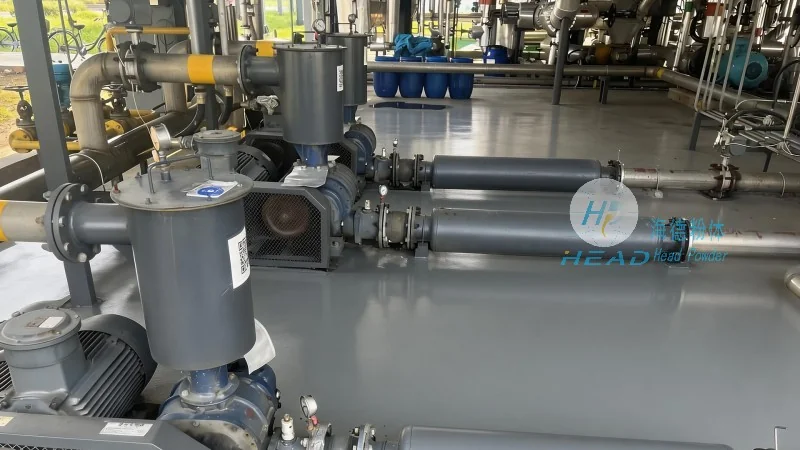
- Feeding Unit: This component, often a rotary valve or a screw feeder, ensures a controlled and continuous supply of the powder electrolyte into the system. The design prevents material buildup and ensures consistent flow rates.
- Compressed Air System: Comprising an air compressor, air dryer, and filter, this system provides the necessary pressure and clean air to transport the powder. The air dryer removes moisture to protect the sensitive electrolyte from degradation.
- Conveying Pipeline: Made from materials resistant to corrosion and chemical exposure, such as stainless steel or specialized polymers, the pipeline is designed to handle the specific properties of the powder electrolyte. The pipeline layout is optimized to minimize pressure drop and ensure efficient transport over long distances.
- Separation and Collection Unit: At the receiving end, this unit separates the powder from the air stream and collects the material. It may include a cyclone separator or a bag filter, depending on the system design. The collected powder is then discharged into a storage bin or processing equipment.
- Control System: An automated control panel monitors and regulates the operation of the system, including air pressure, flow rate, and feeding speed. This ensures stable and safe operation, with alarms and safety features to prevent accidents.
Operation Process of the System
The operation of the powder electrolyte pneumatic conveying system follows a systematic sequence to ensure efficient and safe material transport. The process can be broken down into the following steps:
- Preparation and Startup: Before starting the system, all components are checked for proper operation. The air compressor is started, and the air dryer is activated to remove moisture. The feeding unit is then activated to begin supplying the powder electrolyte.
- Material Feeding: The powder electrolyte is fed into the system at a controlled rate, ensuring that the air flow is sufficient to transport the material without causing blockages or excessive pressure drops.
- Pneumatic Conveying: As the powder enters the pipeline, the compressed air creates a flow that propels the particles through the system. The air velocity is maintained at an optimal level to prevent particle separation or degradation.
- Transport and Delivery: The powder travels through the pipeline to the receiving end, where it is separated from the air stream. The separated powder is collected and discharged into the target container or processing equipment.
- System Shutdown: When the material transport is complete, the system is shut down in reverse order. The air compressor is turned off first, followed by the feeding unit. The pipeline is depressurized to prevent residual material from sticking to the walls.
Advantages and Applications
The powder electrolyte pneumatic conveying system offers several advantages that make it suitable for various industrial applications. These include:




