

Operation Process and Working Principle of a Sintered Dust Gas-Pneumatic Conveying System
HeadPowder, a leading provider in the field of industrial material handling solutions, specializes in the design, manufacturing, and implementation of advanced gas-pneumatic conveying systems for sintered dust applications. Based in Shandong, China, the company has established itself as a trusted partner for clients seeking efficient and reliable systems to manage and transport sintered dust, a byproduct commonly generated in sintering processes used in steel and other metallurgical industries.
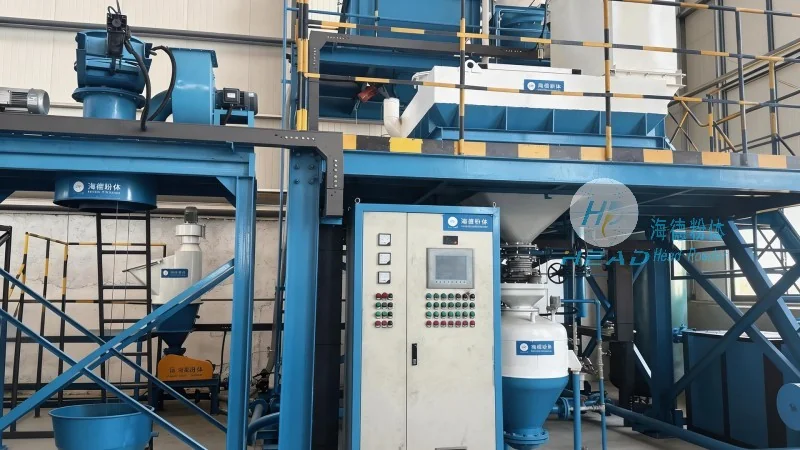
Overview of the Sintered Dust Gas-Pneumatic Conveying System
The sintered dust gas-pneumatic conveying system is a sophisticated piece of equipment engineered to handle the transportation of fine particulate materials, such as sintered dust, from one location to another within an industrial facility. This system combines the principles of pneumatic conveying with advanced control technologies to ensure optimal performance, minimal material loss, and consistent flow rates. The system is typically composed of several key components, including a dust collection hopper, a conveying line, a control valve, a filter system, and a discharge hopper. Each component plays a crucial role in the overall operation and efficiency of the system.
Key Components and Their Functions
1. Dust Collection Hopper: This component is responsible for collecting the sintered dust generated during the sintering process. It is designed with a large capacity to accommodate the volume of dust produced, and it often features a hopper with a conical bottom to facilitate the flow of material into the conveying line. The hopper is equipped with a feed mechanism, such as a rotary valve or a star valve, which controls the rate at which dust is fed into the system.
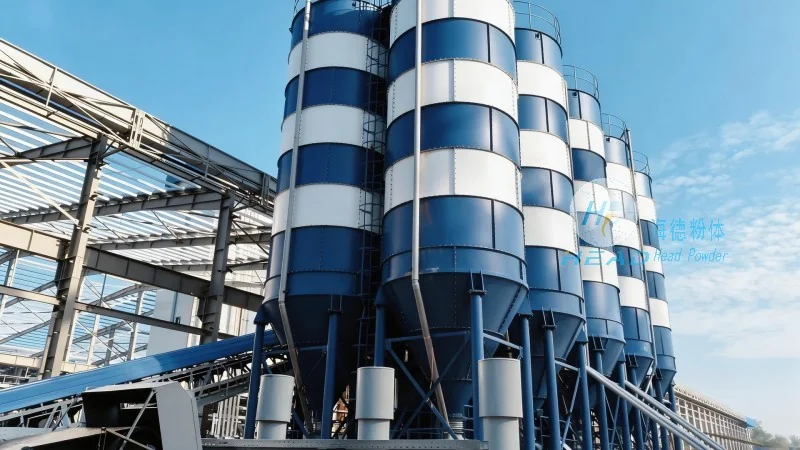
2. Conveying Line: The conveying line is the core of the system, responsible for transporting the sintered dust from the collection hopper to the discharge point. It is typically made of high-quality materials, such as stainless steel or polyethylene, to ensure durability and resistance to corrosion from the dust particles. The line may include various sections, such as straight runs, bends, and vertical lifts, which are carefully designed to maintain the flow of material without causing blockages or excessive pressure drops.
3. Control Valve: The control valve is a critical component that regulates the flow of dust into the conveying line. It is usually a rotary or star valve that can be adjusted to control the feed rate, preventing overloading of the system and ensuring smooth operation. The valve is often equipped with sensors and controls that allow for real-time monitoring and adjustment of the flow rate.
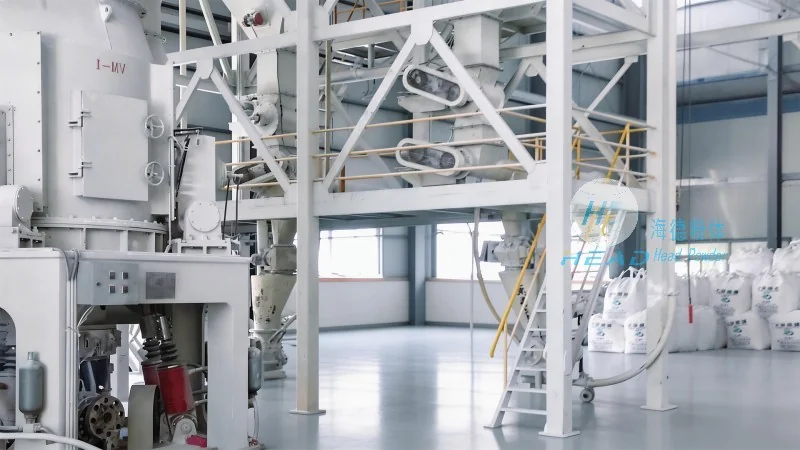
4. Filter System: To maintain air quality and protect the environment, the system includes a filter system that captures any dust particles that may escape during the conveying process. The filter typically consists of a baghouse or cartridge filter, which traps the dust and allows clean air to be released back into the facility. This component is essential for compliance with environmental regulations and for maintaining a safe working environment.
5. Discharge Hopper: The discharge hopper is the final component of the system, where the sintered dust is deposited after being transported through the conveying line. It is designed to hold the material until it is further processed or disposed of. The hopper may include a discharge valve or a conveyor to transfer the material to the next stage of the process.
Operation Process of the Sintered Dust Gas-Pneumatic Conveying System
The operation of the sintered dust gas-pneumatic conveying system follows a systematic process that ensures efficient and continuous material handling. The process begins with the collection of sintered dust in the dust collection hopper. The feed mechanism then controls the rate at which the dust is released into the conveying line. Simultaneously, the system's air compressor generates the necessary pressure to move the dust through the line. The air and dust mixture travels through the conveying line, with the dust particles being carried by the air flow. At the discharge point, the air is separated from the dust, and the dust is collected in the discharge hopper. The clean air is then filtered and released back into the facility. The entire process is monitored and controlled by a central control system that ensures optimal performance and safety.
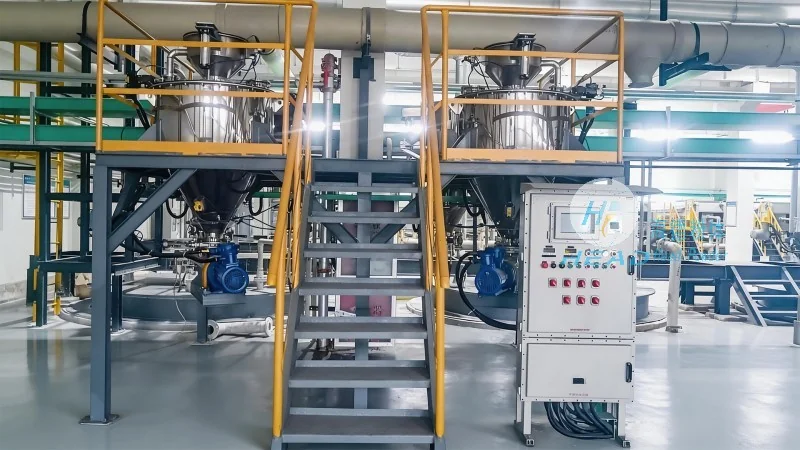
Working Principle of the Gas-Pneumatic Conveying System
The working principle of the sintered dust gas-pneumatic conveying system is based on the use of compressed air to transport the material. The system operates by creating a pressure differential between the dust collection hopper and the discharge hopper. The air compressor provides the necessary pressure to push the air through the conveying line, and the dust particles are entrained in the air stream. As the air and dust mixture moves through the line, the pressure gradually decreases, causing the dust to separate from the air. The dust is then collected in the discharge hopper, while the clean air is filtered and released. The system's efficiency depends on several factors, including the air pressure, the flow rate of the dust, the length and diameter of the conveying line, and the type of dust being transported. Proper design and maintenance of the system are crucial to ensure optimal performance and to minimize operational costs.
Advantages of the Sintered Dust Gas-Pneumatic Conveying System
Implementing a sintered dust gas-pneumatic conveying system offers several advantages over traditional material handling methods. First, it provides a dust-free environment, as the system is enclosed and the dust is contained within the conveying line. This reduces the risk of dust exposure for workers and minimizes the risk of fire or explosion. Second, the system is highly efficient, as it can transport large volumes of material over long distances with minimal energy consumption. Third, the system is flexible and can be easily integrated with existing industrial processes. Fourth, the system is low maintenance, as it has fewer moving parts compared to other material handling systems. Finally, the system is cost-effective, as it reduces material loss and minimizes the need for manual handling of the sintered dust.