HeadPowder, a leading engineering company based in Shandong, China, specializes in the design, manufacturing, and installation of advanced pneumatic conveying systems. This article provides an overview of yellow sand pneumatic conveying technology and explains the fundamental working principles of such systems, highlighting their efficiency and reliability in material handling applications.
Understanding Pneumatic Conveying Systems
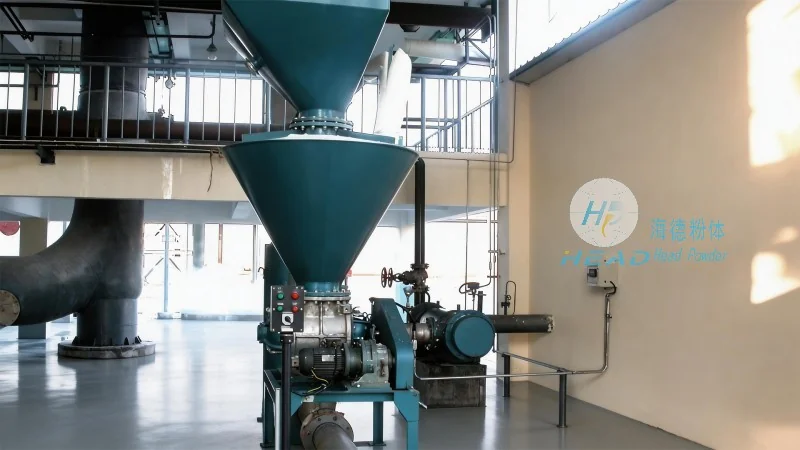
Pneumatic conveying systems are mechanical systems that transport bulk materials through a pipeline using a gas, typically air or a combination of air and other gases. These systems are widely used in various industries, including construction, mining, and manufacturing, for the efficient movement of dry, powdery, or granular materials like yellow sand. The technology offers several advantages over traditional methods such as belt conveyors or bucket elevators, including reduced maintenance, lower energy consumption, and the ability to handle materials in a closed system, minimizing dust emissions and environmental impact.
The Working Principle of Pneumatic Conveying
The core of a pneumatic conveying system is the creation of a pressure differential between the inlet and outlet of the conveying line. This is achieved by using a blower or a vacuum pump to generate airflow. The material, in this case, yellow sand, is introduced into the system at the inlet, where it is mixed with the air stream. As the air flows through the pipeline, it carries the sand particles along, transporting them from the source to the destination. The system typically includes components such as a hopper for material storage, a feeder to control the flow rate, a conveying line, and a receiver to collect the material at the end of the line. The design of the system, including the type of blower (positive pressure or negative pressure), the pipe diameter, and the length of the conveying line, is crucial for optimizing performance and ensuring efficient material transport.
Key Components of a Pneumatic Conveying System
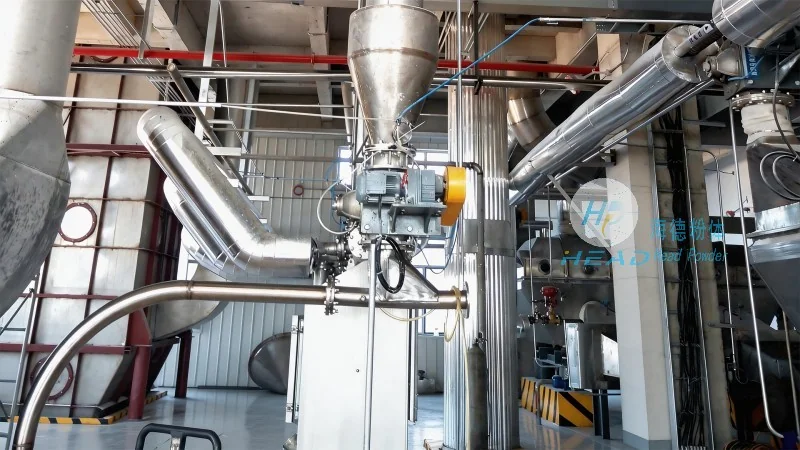
Several key components work together to ensure the smooth operation of a pneumatic conveying system for yellow sand. The hopper serves as the storage vessel, providing a consistent supply of material to the feeder. The feeder, often a rotary valve or a screw feeder, regulates the flow rate of the sand into the conveying line, preventing overloading and ensuring a steady stream of material. The blower or vacuum pump generates the necessary airflow, creating the pressure differential that propels the sand through the pipeline. The conveying line, usually made of stainless steel or other corrosion-resistant materials, is designed to withstand the pressure and temperature conditions of the system. The receiver, typically a hopper or a storage tank, collects the sand at the end of the line, completing the material transport process. Additionally, the system may include filters and cyclones to separate the air from the material, ensuring that the air is clean and can be recirculated or discharged safely.
Advantages of Pneumatic Conveying for Yellow Sand
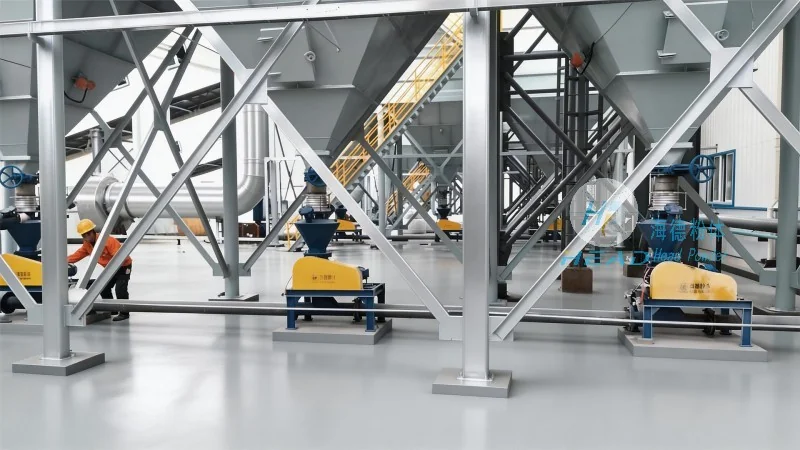
Using pneumatic conveying systems for yellow sand offers numerous benefits compared to other material handling methods. One of the primary advantages is the ability to handle fine or dusty materials without the need for additional dust control measures, as the system operates in a closed environment. This reduces the risk of dust exposure for workers and minimizes environmental pollution. Another advantage is the flexibility of the system, which can be easily modified or expanded to accommodate changes in production needs or material volumes. The system also provides a hygienic and clean environment, which is particularly important for materials used in food or pharmaceutical industries. Furthermore, pneumatic conveying systems are relatively low maintenance, as they have fewer moving parts compared to mechanical conveyors, and they can operate continuously without the need for frequent stops or adjustments.
Applications and Considerations
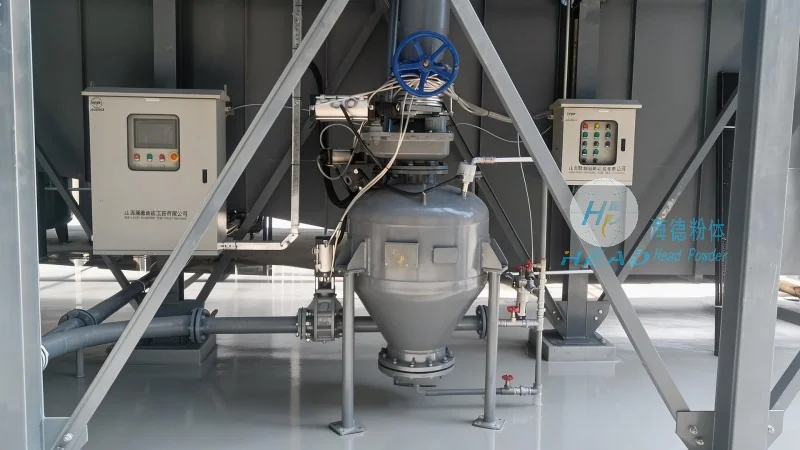
Pneumatic conveying systems are commonly used in applications involving the transport of yellow sand from storage facilities to processing plants, such as in construction material production or sand processing operations. The choice of system design depends on several factors, including the distance to be covered, the volume of material to be transported, and the specific characteristics of the sand, such as its particle size, moisture content, and flowability. For long-distance or high-volume applications, positive pressure systems are often preferred, as they can handle longer conveying distances and larger material volumes. For shorter distances or when handling materials with higher moisture content, negative pressure systems may be more suitable. The selection of the appropriate blower type, pipe diameter, and system layout is critical to ensure optimal performance and minimize energy consumption.
Conclusion
HeadPowder Engineering Co., Ltd., based in Shandong, China, specializes in the development and implementation of efficient pneumatic conveying systems for yellow sand and other bulk materials. By leveraging advanced engineering and technology, the company provides customized solutions that meet the specific needs of its clients, ensuring reliable and cost-effective material handling. The working principles and components of pneumatic conveying systems, as explained in this article, highlight the effectiveness of this technology in improving operational efficiency and reducing environmental impact in various industrial applications.




