

What is Carboxymethyl Cellulose Pneumatic Conveying? An Introduction to Powder Handling System Princ
HeadPowder, or Shandong HeadPowder Engineering Co., Ltd., is a professional engineering company based in Shandong, China, specializing in the design, manufacturing, and installation of advanced powder handling systems. The company focuses on providing efficient and reliable solutions for material transportation, particularly in industries requiring precise and controlled powder movement.
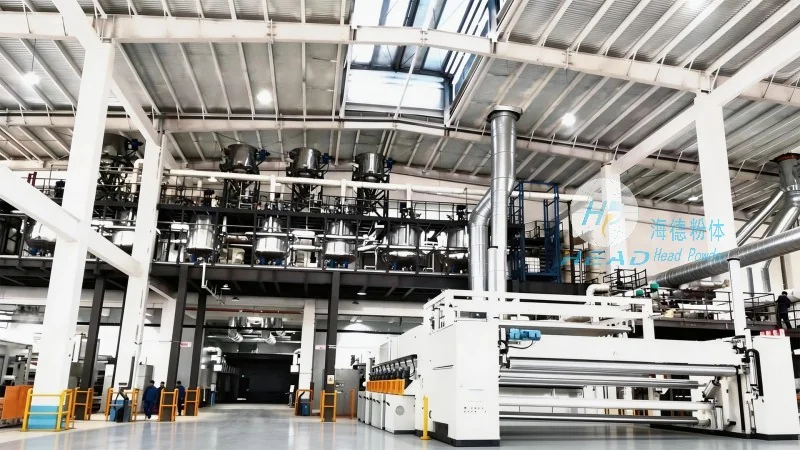
What is Pneumatic Conveying?
Pneumatic conveying, also known as air conveying, is a method of transporting bulk materials, such as powders and granules, using a stream of air or gas. This technology is widely used in various industries, including pharmaceuticals, food processing, chemical manufacturing, and more, due to its ability to handle delicate materials without causing damage or contamination. The system typically involves a pipeline where the material is suspended and carried by the air flow, ensuring a smooth and continuous transfer from the source to the destination.
Carboxymethyl Cellulose (CMC) in Pneumatic Conveying
Carboxymethyl cellulose (CMC) is a water-soluble polymer derived from cellulose, commonly used as a thickening, stabilizing, and emulsifying agent in various applications. In the context of pneumatic conveying, CMC can be a key component in the material being transported, or it may be used as an additive to enhance the performance of the conveying system. For instance, in the pharmaceutical industry, CMC is often used to transport fine powders that require high precision and minimal particle breakage. The properties of CMC, such as its ability to form a stable suspension and reduce friction between particles, make it suitable for efficient air transport.
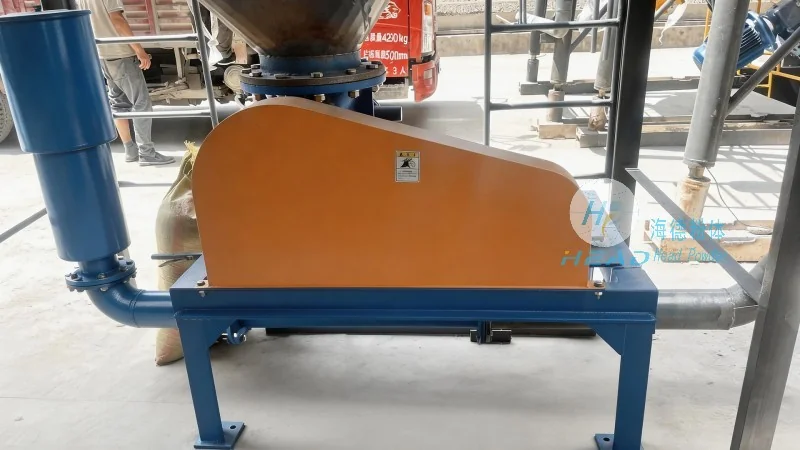
Working Principles of Powder Handling Systems
A powder handling system based on pneumatic conveying operates through several key components and processes. The primary components include a material hopper, a conveyor line, a fan or blower to generate the air flow, and a receiving hopper or silo. The process begins when the material is loaded into the hopper. The fan then creates a low-pressure zone in the conveyor line, drawing the material into the air stream. As the material is entrained by the air, it travels through the pipeline to the receiving hopper. The air is then filtered and recycled back into the system, ensuring energy efficiency and minimal waste.
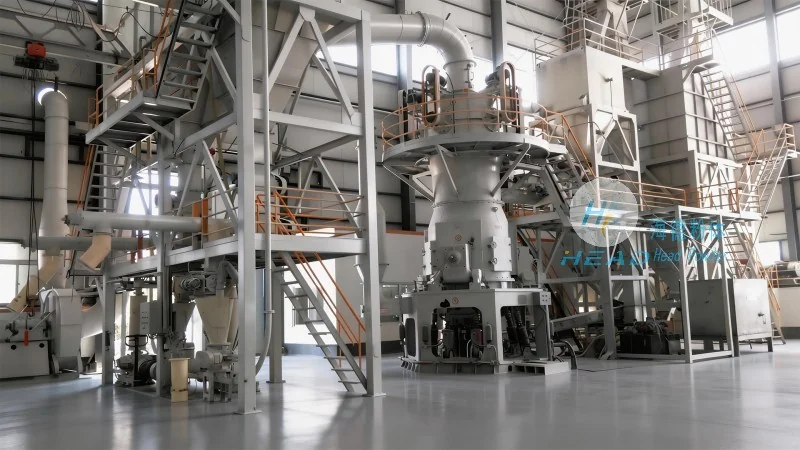
System Components and Operational Flow
The pneumatic conveying system consists of several critical parts that work in tandem to ensure effective material transport. The material hopper is where the bulk material is stored and fed into the system. The conveyor line, typically made of metal or plastic, is the main pathway for the material and air. The fan or blower provides the necessary air pressure and flow rate to move the material. The receiving hopper collects the material at the end of the conveyor line. The system may also include filters to remove dust and moisture from the air, and control valves to regulate the flow of material and air. The operational flow involves loading the hopper, activating the fan, and allowing the material to be drawn into the air stream, resulting in a continuous and controlled transfer.
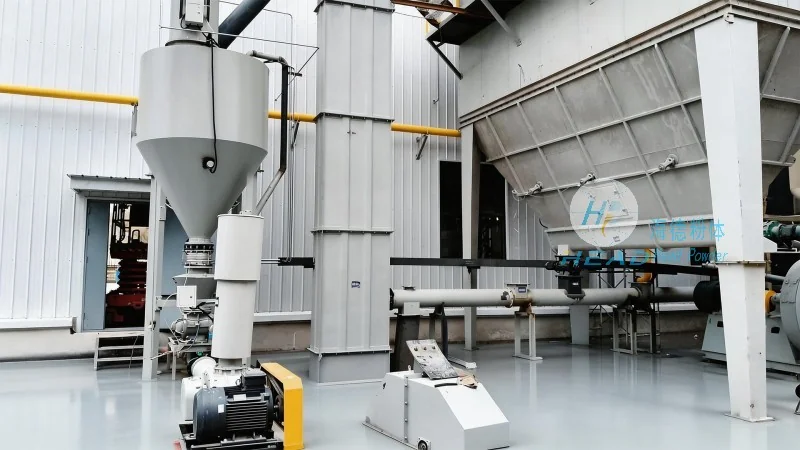
Advantages of Pneumatic Conveying Systems
There are several advantages to using pneumatic conveying systems for powder handling. One of the main benefits is the ability to transport materials over long distances without the need for multiple transfer points or mechanical equipment. This reduces the risk of material contamination and damage. Additionally, the system can handle a wide range of materials, from fine powders to bulk granules, with minimal maintenance requirements. The enclosed pipeline design also helps to prevent dust emissions and maintain a clean working environment. For industries dealing with sensitive materials, such as pharmaceuticals or food products, the controlled and hygienic nature of pneumatic conveying is particularly advantageous.
Conclusion
Pneumatic conveying, especially when applied to materials like carboxymethyl cellulose, offers a reliable and efficient method for powder handling. The technology, when properly designed and maintained, can significantly improve the productivity and safety of material transportation processes. As a leading company in this field, Shandong HeadPowder Engineering Co., Ltd. provides comprehensive solutions tailored to the specific needs of various industries, ensuring optimal performance and long-term reliability in powder handling systems.