For agricultural operations dealing with silage material, efficient and reliable material handling is crucial. Pneumatic conveying systems offer a versatile solution for transporting silage from storage to processing areas or feeding stations. This article provides an overview of silage material pneumatic conveying and explains the fundamental working principles of such systems.
Understanding Silage Material Pneumatic Conveying
Silage, a fermented forage used as animal feed, often requires specialized handling due to its moisture content and bulk density. Traditional methods like manual loading or mechanical conveyors may be inefficient or pose safety risks. Pneumatic conveying systems provide a closed-loop, hygienic solution that minimizes contamination and ensures consistent material flow. These systems are particularly valuable in large-scale dairy or livestock farms where high volumes of silage need to be moved regularly.
The Working Principle of Pneumatic Conveying Systems
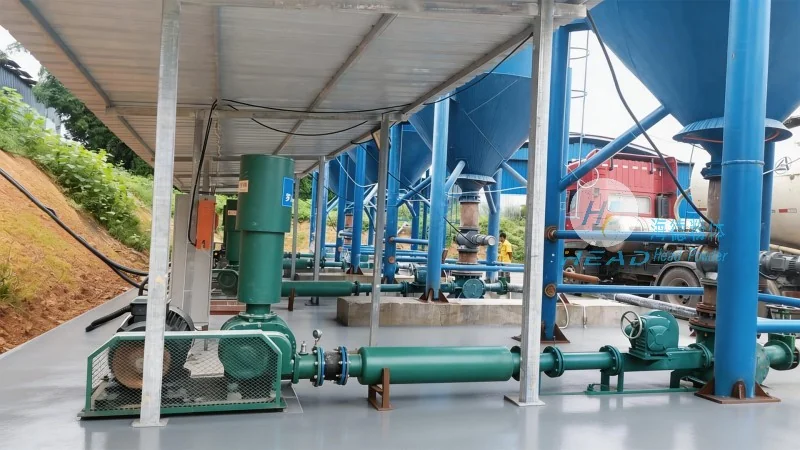
Pneumatic conveying systems operate by using air pressure to transport bulk materials through a network of pipes. The core components include a blower or compressor, a hopper for material storage, a conveyor line, and a discharge point. There are two primary types of pneumatic conveying: pressure (or positive) systems and vacuum (or negative) systems. Pressure systems use compressed air to push material through the pipeline, while vacuum systems create a negative pressure to draw material from the source.
In a typical pressure system, the blower generates high-pressure air that forces silage material from the hopper into the pipeline. The material is suspended in the air stream and transported to the destination. The system may include a filter or cyclone to separate the material from the air at the discharge point, ensuring clean air is returned to the blower. Vacuum systems, on the other hand, use a vacuum pump to create a suction effect, drawing silage from the storage container and moving it through the pipeline. Both systems can be customized to handle different particle sizes and moisture levels, making them adaptable to various silage types.
Key Components and Their Functions
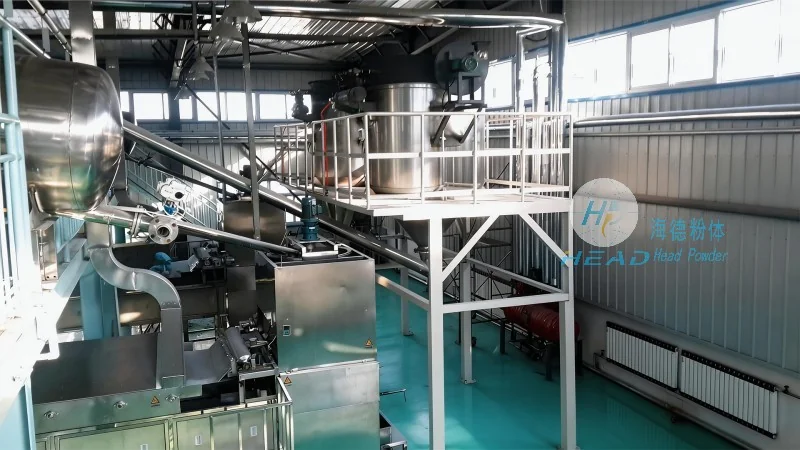
Several critical components work together to ensure the efficient operation of a pneumatic conveying system for silage. The blower or compressor is the power source, providing the necessary air pressure or vacuum. The hopper is where silage is loaded, often equipped with a feeder to control the flow rate. The conveyor line consists of metal or plastic pipes that guide the material and air mixture. At the discharge end, a separator or cyclone separates the material from the air, allowing the air to be recirculated and the silage to be deposited in the target location. Additionally, filters and cleaning systems are essential to maintain air quality and prevent clogging in the pipes.
Benefits of Using Pneumatic Conveying for Silage
Implementing a pneumatic conveying system for silage offers numerous advantages. First, it enhances operational efficiency by automating the material handling process, reducing labor costs and time. The closed system minimizes dust and odor, improving workplace safety and hygiene. It also reduces material loss and contamination, preserving the nutritional quality of the silage. Furthermore, pneumatic conveying systems can be integrated with other farm equipment, such as silage choppers or feed mixers, creating a seamless workflow. The flexibility of these systems allows for easy expansion or reconfiguration as farm operations grow or change.
Customization and Application in Different Farm Settings
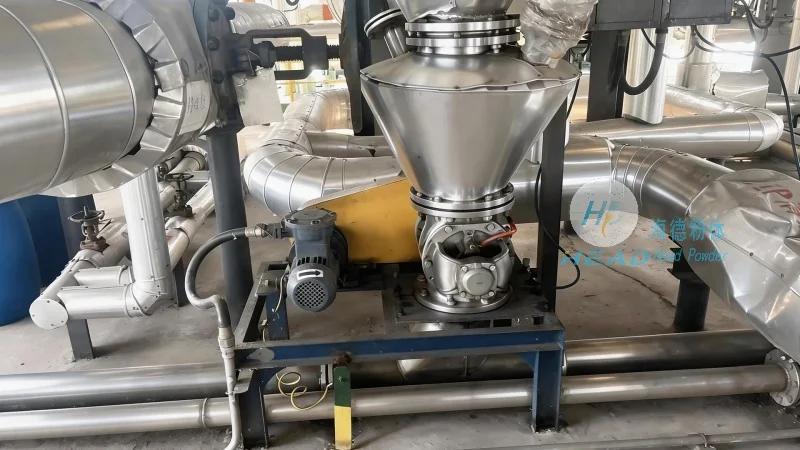
HeadPowder, a leading provider of engineering solutions, specializes in designing and manufacturing pneumatic conveying systems tailored to the specific needs of agricultural operations. With headquarters in Shandong, China, HeadPowder leverages advanced technology and industry expertise to deliver reliable and efficient solutions for silage material handling. The company’s systems are engineered to handle varying silage compositions, from high-moisture to dry silage, and can be adapted to different farm sizes and layouts. Whether for a small dairy farm or a large-scale feedlot, HeadPowder’s pneumatic conveying systems ensure consistent performance and durability.
Installation and Maintenance Considerations
Proper installation and regular maintenance are vital to the long-term performance of a pneumatic conveying system. HeadPowder recommends consulting with experienced engineers to ensure the system is sized correctly for the volume of silage to be handled. The pipeline layout should minimize bends and vertical drops to reduce pressure loss and prevent material blockages. Regular cleaning of the hopper, feeder, and separator is essential to prevent clogging and maintain air flow. Additionally, monitoring the blower performance and air pressure can help identify potential issues before they lead to system failure. By adhering to these maintenance practices, farmers can maximize the lifespan and efficiency of their pneumatic conveying equipment.
Conclusion
Pneumatic conveying systems represent a modern and effective solution for handling silage material in agricultural settings. By understanding the working principles and benefits of these systems, farmers can enhance productivity, improve safety, and maintain the quality of their feedstock. With companies like HeadPowder offering specialized engineering services, the implementation of efficient pneumatic conveying systems is within reach for farms of all sizes. Investing in a well-designed and maintained system not only streamlines operations but also contributes to the overall sustainability and profitability of agricultural enterprises.




