

Introduction to Dry Powder Pneumatic Conveying and the Working Principle of Pneumatic Conveying Syst
Shandong HeadPowder Engineering Co., Ltd., commonly known as HeadPowder, is a professional manufacturer and supplier specializing in pneumatic conveying systems for dry powders. With a focus on engineering excellence and customer-centric solutions, the company has established itself as a trusted partner in the field of powder handling technology. HeadPowder operates from its headquarters in Shandong, China, and is committed to delivering high-quality, efficient, and reliable pneumatic conveying solutions tailored to diverse industrial needs.
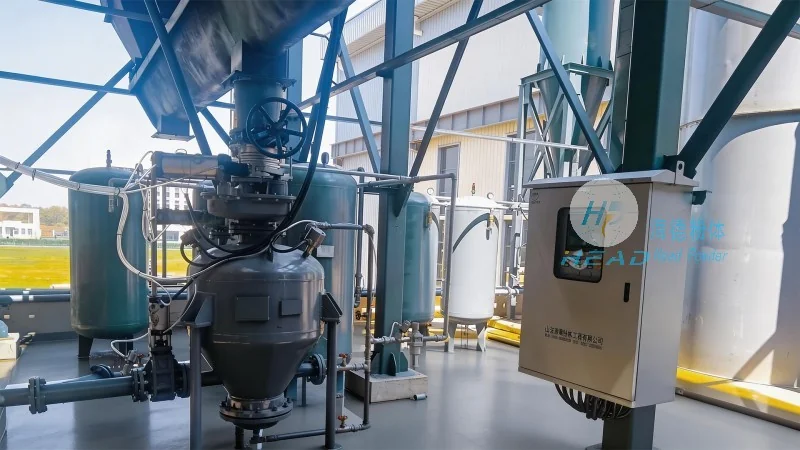
Overview of Dry Powder Pneumatic Conveying Systems
Dry powder pneumatic conveying is a method of transporting dry bulk materials, such as powders and granules, using compressed air or other gases. This technology is widely used in various industries, including pharmaceuticals, food processing, chemical manufacturing, and mining, due to its ability to handle materials that are difficult to transport through traditional methods like gravity or mechanical conveyors. The system involves the use of a pipeline network, a blower or compressor to generate airflow, and a series of components that work together to move the material from the source to the destination. HeadPowder specializes in designing and manufacturing customized pneumatic conveying systems that meet the specific requirements of each client, ensuring optimal performance and efficiency.
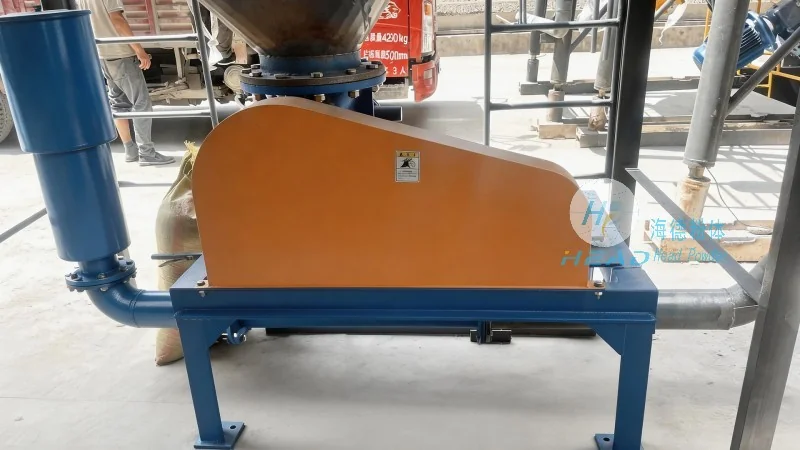
Working Principle of Pneumatic Conveying Systems
The core of a pneumatic conveying system is the transfer of material particles suspended in a stream of air. The process begins with the material being introduced into the system, typically from a hopper or storage silo. A blower or compressor then generates the necessary airflow, which is directed through the pipeline. As the air flows, it lifts and transports the dry powder particles, creating a dense phase or dilute phase flow depending on the system design. The system may include components like feeders, valves, and filters to control the flow rate and maintain the quality of the conveyed material. The working principle is based on the principle of fluidization, where the air flow creates a fluid-like environment for the powder, allowing it to move smoothly through the pipeline. HeadPowder's systems are engineered to optimize this process, ensuring consistent and reliable material transfer with minimal loss or degradation.
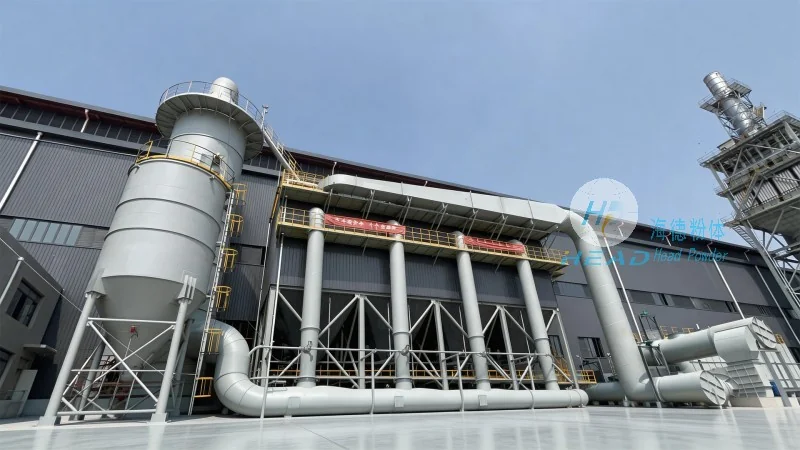
Key Components of Pneumatic Conveying Systems
A pneumatic conveying system consists of several critical components that work in harmony to achieve efficient material transport. The main components include a blower or compressor, which provides the necessary air pressure and flow rate; a pipeline network, which forms the path for material and air; a feeder, which controls the material feed rate; and a receiver or discharge hopper, where the material is collected. Additional components may include filters, cyclones, and pressure vessels to ensure the system operates safely and efficiently. HeadPowder's engineers design each component to work together seamlessly, considering factors such as material properties, flow rates, and system pressure. For example, the choice of blower type (positive displacement or centrifugal) depends on the specific application, with positive displacement blowers offering better control at lower pressures and centrifugal blowers providing higher flow rates at higher pressures. The pipeline design, including the use of bends, elbows, and straight sections, is also critical to maintaining the flow of material and preventing blockages or degradation. HeadPowder's expertise in component selection and system integration ensures that each part of the system is optimized for the intended application.
Applications and Advantages of Pneumatic Conveying Systems
Pneumatic conveying systems are used in a wide range of applications across various industries. In the pharmaceutical industry, they are used to transport active pharmaceutical ingredients (APIs) and other sensitive materials, ensuring contamination-free and hygienic handling. In the food processing industry, they are used to transport powders like flour, sugar, and spices, maintaining product quality and preventing cross-contamination. In chemical manufacturing, they are used to transport powders like pigments, polymers, and catalysts, providing safe and efficient handling of potentially hazardous materials. In mining and mineral processing, they are used to transport raw materials and finished products, improving operational efficiency and reducing labor costs. The advantages of pneumatic conveying systems include high efficiency, as they can transport materials over long distances with minimal energy loss; flexibility, as they can be easily integrated into existing production lines; and safety, as they eliminate the need for manual handling of powders, reducing the risk of dust explosions and occupational hazards. HeadPowder's systems are designed to address these advantages, providing reliable and cost-effective solutions for a variety of industrial applications.
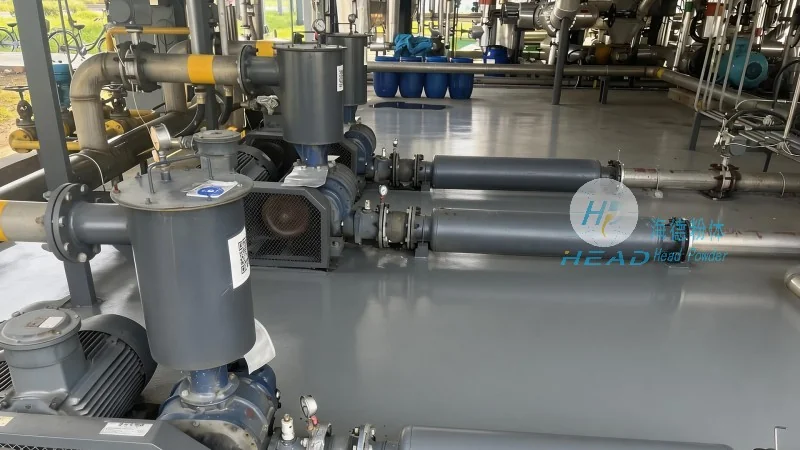
Technical Advantages and Reliability of HeadPowder's Systems
HeadPowder's pneumatic conveying systems are built on a foundation of advanced technology and engineering expertise. The company uses state-of-the-art design software and simulation tools to model and optimize system performance, ensuring that each system is tailored to the specific needs of the client. The systems are constructed using high-quality materials, such as stainless steel and corrosion-resistant alloys, to ensure durability and longevity. HeadPowder also provides comprehensive after-sales support, including maintenance, repair, and technical assistance, to ensure the long-term reliability of the systems. The company's commitment to quality and customer satisfaction has earned it a reputation as a leading provider of pneumatic conveying solutions. HeadPowder's systems are designed to meet international standards and regulations, ensuring compliance with safety and environmental requirements. The company's focus on innovation and continuous improvement ensures that its products remain at the forefront of the industry, providing clients with the most advanced and efficient solutions for their powder handling needs.