HeadPowder, a leading manufacturer based in Shandong, China, specializes in the design and production of fine powder pneumatic conveying systems. These systems are essential for efficiently transporting fine powders over various distances, ensuring minimal product loss and maintaining product integrity. The equipment operates by using air pressure to move powders through a pipeline network, offering a flexible and reliable solution for industries such as pharmaceuticals, food processing, and chemical manufacturing.
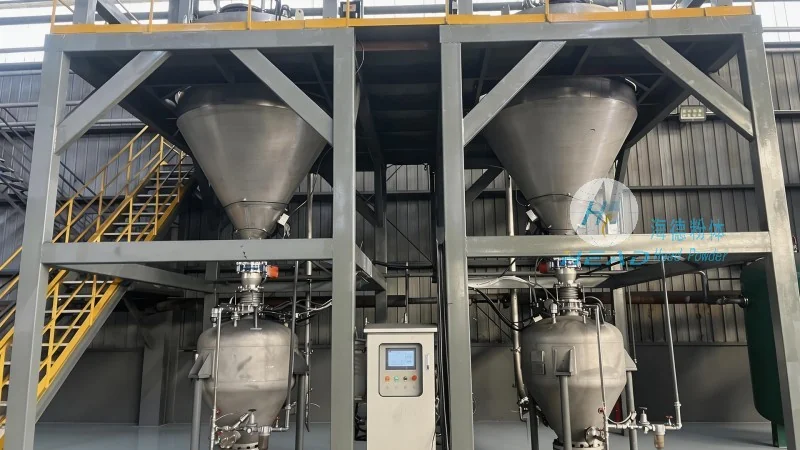
Key Components and Their Functions
The fine powder pneumatic conveying equipment consists of several critical components that work in tandem to achieve effective material transport. The main components include the hopper, which holds the bulk material; the feeder, responsible for controlling the flow rate of the powder; the air compressor or blower, which generates the necessary air pressure; the pipeline system, which conveys the powder-air mixture; and the receiver, where the material is deposited. Each component plays a vital role in maintaining the system's efficiency and preventing issues like blockages or dust emissions.
Operation Process of the Equipment
The operation process of the fine powder pneumatic conveying equipment begins with the loading of the fine powder into the hopper. The feeder then regulates the powder flow into the pipeline, ensuring a consistent feed rate. Simultaneously, the air compressor supplies compressed air, which is mixed with the powder in the pipeline. The air pressure propels the powder mixture through the system, moving it from the hopper to the receiver. The receiver collects the material, and the air is typically filtered and recycled back to the system to minimize waste and energy consumption. This continuous process allows for smooth and uninterrupted material transport, making it suitable for high-volume applications.
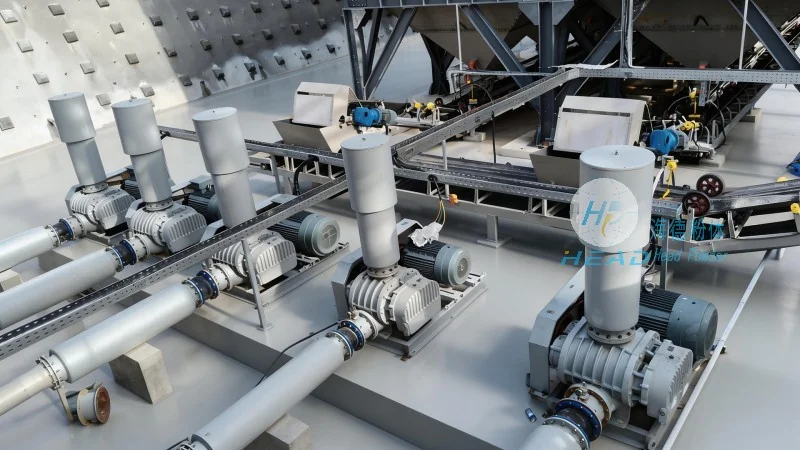
Working Principle of the Pneumatic Conveying System
The working principle of the fine powder pneumatic conveying system is based on the principle of fluidization and air movement. When compressed air is introduced into the pipeline, it creates a low-pressure zone that draws the fine powder into the air stream. The air acts as a carrier, transporting the powder particles through the system. The velocity of the air is crucial; it must be sufficient to keep the powder particles suspended but not so high as to cause excessive wear on the equipment or excessive energy consumption. The system can operate in either positive or negative pressure modes, depending on the application requirements. Positive pressure systems are commonly used for conveying materials to higher elevations or over longer distances, while negative pressure systems are suitable for handling dust or preventing contamination from the environment.
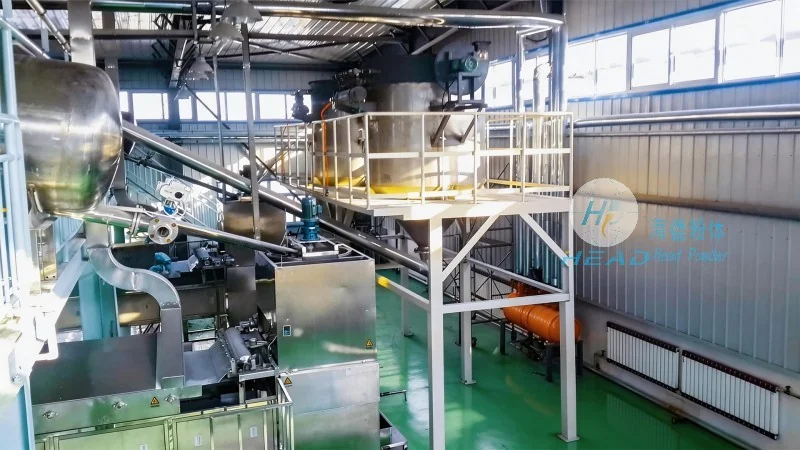
Advantages of Fine Powder Pneumatic Conveying Equipment
There are several advantages to using fine powder pneumatic conveying equipment in industrial applications. One of the primary benefits is the ability to transport fine powders without the need for mechanical components like belts or screws, which can cause product contamination or degradation. The system also offers high flexibility, allowing for changes in the conveying route or distance without significant modifications. Additionally, it provides excellent control over the flow rate and pressure, ensuring consistent material delivery. The equipment is also relatively easy to clean and maintain, reducing downtime and maintenance costs. Furthermore, it can handle a wide range of fine powders, from pharmaceutical powders to food-grade materials, making it a versatile solution for various industries.
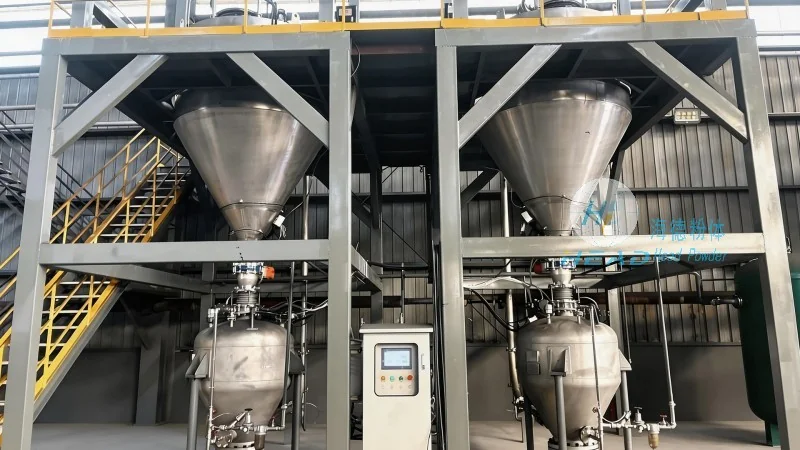
Applications in Different Industries
Fine powder pneumatic conveying equipment is widely used across multiple industries due to its adaptability and efficiency. In the pharmaceutical industry, it is used to transport active pharmaceutical ingredients (APIs) and excipients with high precision, ensuring product purity and minimizing cross-contamination. In the food processing industry, it is employed to convey ingredients like flour, sugar, and spices, maintaining product freshness and preventing microbial growth. The chemical industry utilizes these systems for transporting powders such as pigments, catalysts, and reagents, which require careful handling to avoid reactions or contamination. Other applications include the cement and mineral processing industries, where fine powders are conveyed for production and processing purposes. The equipment's ability to handle different materials and its flexibility make it a preferred choice in these sectors.
Maintenance and Operational Tips
Proper maintenance is essential to ensure the long-term performance and reliability of the fine powder pneumatic conveying equipment. Regular inspection of the hopper and feeder for any blockages or wear is crucial. The air compressor or blower should be checked for proper air pressure and flow rates to maintain efficient operation. The pipeline system should be inspected for any signs of wear or damage, as this can lead to air leaks or material loss. Cleaning the system regularly, especially after handling different materials, helps prevent cross-contamination and ensures product quality. Additionally, monitoring the pressure and flow rates during operation can help identify any issues early, allowing for timely maintenance. By following these tips, users can maximize the equipment's lifespan and maintain its efficiency.




