HeadPowder, a leading manufacturer based in Shandong, China, specializes in the design, production, and supply of advanced pneumatic conveying systems tailored for sintered dust applications. This article provides an overview of the key equipment components, structural design principles, and operational mechanisms that define efficient sintered dust handling solutions.
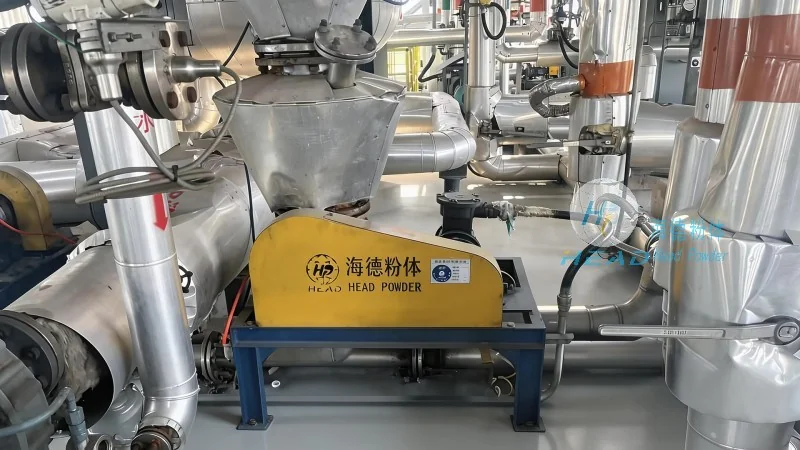
Overview of Sintered Dust Pneumatic Conveying Systems
The sintered dust pneumatic conveying system is a critical piece of industrial equipment used to transport fine powders, such as sintered dust, from one location to another within a production facility. These systems are engineered to handle materials with specific characteristics, including high moisture content, abrasive properties, or varying particle sizes, ensuring reliable and consistent material transfer. The core of the system comprises several interconnected components that work in harmony to achieve efficient dust transport.
Key Equipment Components and Their Functions
1. Suction Unit (Inlet Hopper and Air Lock Valve): The system begins with a suction unit, typically consisting of an inlet hopper and an air lock valve. The hopper collects the sintered dust, while the air lock valve regulates the material flow into the conveying line, preventing backflow and maintaining consistent pressure. This component is crucial for initiating the material transport process by creating a vacuum or pressure differential.
2. Pneumatic Conveying Pipe (Flexible or Rigid): The conveying pipe is the main pathway for transporting the dust. Depending on the application, the pipe can be made of flexible hoses or rigid metal tubes. Flexible pipes are often used for short-distance or flexible routing, while rigid pipes are preferred for longer distances or high-pressure applications. The pipe is designed to withstand the pressure and friction from the moving dust particles, ensuring durability and minimal material loss.
3. Blower or Fan (Air Source): The air source, usually a blower or fan, provides the necessary airflow to move the dust particles through the conveying pipe. The selection of the blower is critical, as it must generate sufficient pressure and volume to overcome the resistance caused by the dust's density, particle size, and pipe length. Different types of blowers, such as rotary lobe or centrifugal, are used based on the system's requirements, offering adjustable airflow and pressure control.
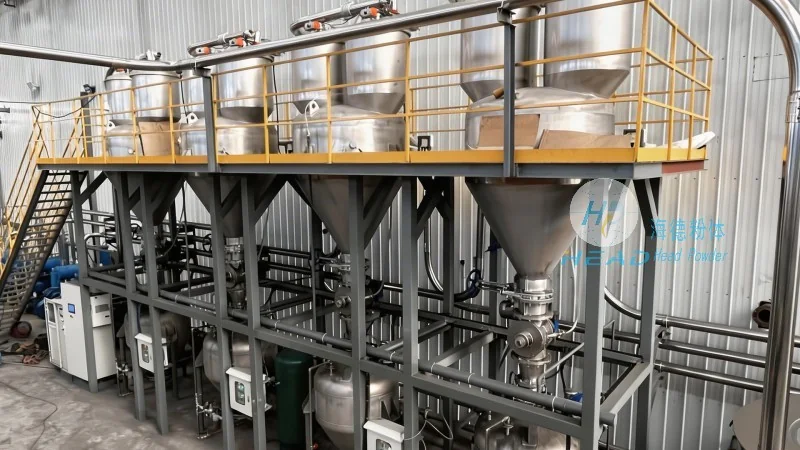
4. Discharge Unit (Air Lock Valve and Outlet Hopper): At the receiving end, the discharge unit includes an air lock valve and an outlet hopper. The air lock valve regulates the material discharge from the pipe, preventing air leakage and maintaining a stable pressure environment. The outlet hopper collects the conveyed dust, allowing for smooth transfer to the next processing stage or storage area. This component ensures that the material is delivered without spillage or contamination.
5. Control System (Valves, Sensors, and Monitoring): A sophisticated control system manages the operation of the entire pneumatic conveying system. It includes various valves (e.g., check valves, pressure relief valves), sensors (e.g., pressure sensors, flow meters), and monitoring devices. The control system allows for real-time adjustment of airflow, pressure, and material flow rates, ensuring optimal performance and preventing system failures. It also provides safety features, such as overpressure protection, to safeguard the equipment and personnel.
Structural Principles and Operational Mechanisms
The structural design of the sintered dust pneumatic conveying system is based on the principles of fluid dynamics and material handling. The system operates by creating a pressure differential between the inlet and outlet, using the air source to move the dust particles. The key operational mechanisms include:
1. Pressure-Driven Conveying: The blower generates a high-pressure airflow that entrains the dust particles, forming a slurry-like mixture. The pressure differential between the inlet and outlet causes the mixture to flow through the conveying pipe. The velocity of the air and the size of the particles determine the efficiency of the conveying process.
2. Particle Suspension: The dust particles are suspended in the air stream, preventing them from settling or clogging the pipe. The air velocity must be sufficient to keep the particles in suspension, which is influenced by the particle size, density, and the pipe diameter. Proper suspension ensures smooth and continuous transport without blockages.
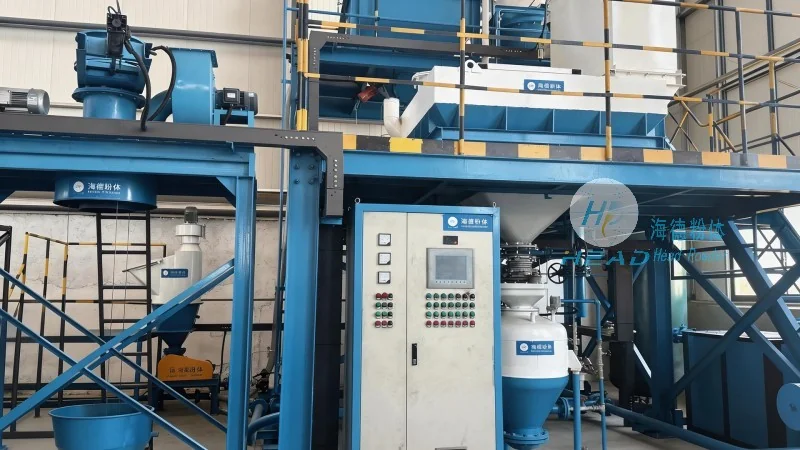
3. Material Flow Regulation: The air lock valves at both the inlet and outlet control the rate of material flow. The inlet air lock valve regulates the amount of dust entering the system, while the outlet air lock valve controls the discharge rate. This regulation prevents overloading the system and maintains consistent material transfer rates.
4. System Balancing: The control system continuously monitors the pressure and flow parameters, adjusting the blower speed or valve positions as needed to maintain system balance. This balancing ensures that the pressure differential remains optimal, minimizing energy consumption and maximizing conveying efficiency.
Advantages of Sintered Dust Pneumatic Conveying Systems
Implementing a sintered dust pneumatic conveying system offers several advantages over traditional material handling methods, such as belt conveyors or manual transport. These benefits include:
1. Efficient and Continuous Material Transfer: The system enables continuous and automated transport of sintered dust, reducing labor costs and improving production efficiency. The pneumatic conveying process is faster and more reliable than manual or mechanical methods, ensuring consistent material delivery to downstream processes.
2. Reduced Material Loss and Contamination: The enclosed system design minimizes dust exposure and prevents material loss during transport. This is particularly important for sintered dust, which may contain valuable components or be prone to contamination. The system maintains a clean and controlled environment, ensuring the quality of the conveyed material.
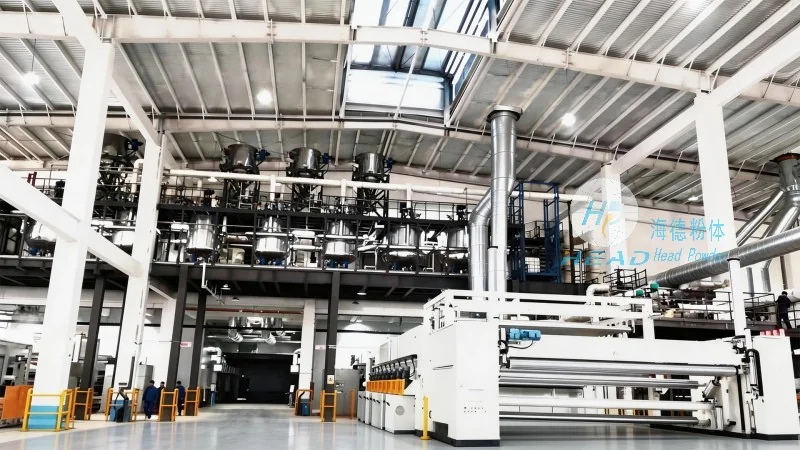
3. Flexibility in Routing: Pneumatic conveying systems can be easily routed around obstacles or through multiple levels, providing flexibility in plant layout. The use of flexible hoses allows for curved or complex pipe configurations, making it suitable for various industrial settings.
4. Energy Efficiency: Modern pneumatic conveying systems are designed to be energy-efficient, with adjustable airflow and pressure control. The use of high-efficiency blowers and optimized pipe designs reduces energy consumption, lowering operational costs over time.
5. Low Maintenance Requirements: Compared to mechanical conveyors, pneumatic systems have fewer moving parts and lower maintenance needs. The absence of belts, chains, or gears reduces the risk of wear and tear, resulting in lower maintenance costs and longer equipment lifespan.
Conclusion
HeadPowder's sintered dust pneumatic conveying systems represent a sophisticated solution for efficient material handling in industrial applications. By integrating advanced equipment components, robust structural designs, and intelligent control systems, these systems ensure reliable, continuous, and cost-effective transport of sintered dust. The company's expertise in engineering and manufacturing, combined with its commitment to quality and innovation, makes it a trusted partner for businesses seeking to optimize their material handling processes. With a focus on durability, efficiency, and user-friendly operation, HeadPowder's systems provide long-term value and contribute to improved productivity in various industrial sectors.




