HeadPowder, a leading manufacturer based in Shandong, China, specializes in the design, production, and supply of advanced biomass powder pneumatic conveying systems. This article provides an overview of the equipment, its structural principles, and key components, highlighting the technology's efficiency and reliability in handling biomass powders.
Company Profile and Expertise
Shandong HeadPowder Engineering Co., Ltd., operating under the brand name HeadPowder, is a professional enterprise dedicated to the research and development of pneumatic conveying solutions. With a strong focus on innovation and customer-centric design, the company has established itself as a trusted partner in the biomass processing industry. HeadPowder's headquarters is located in Shandong, China, where state-of-the-art facilities and a skilled technical team ensure the highest quality standards in equipment manufacturing.
Core Components of the Biomass Powder Pneumatic Conveying System
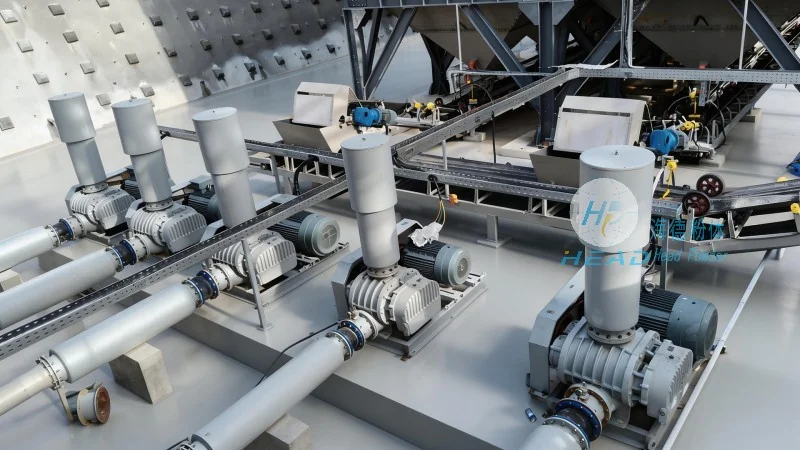
The biomass powder pneumatic conveying system typically consists of several critical components that work in tandem to ensure efficient material transport. These include the hopper, feeder, air compressor, pipeline system, and control unit. Each component plays a vital role in the overall operation, contributing to the system's performance and reliability.
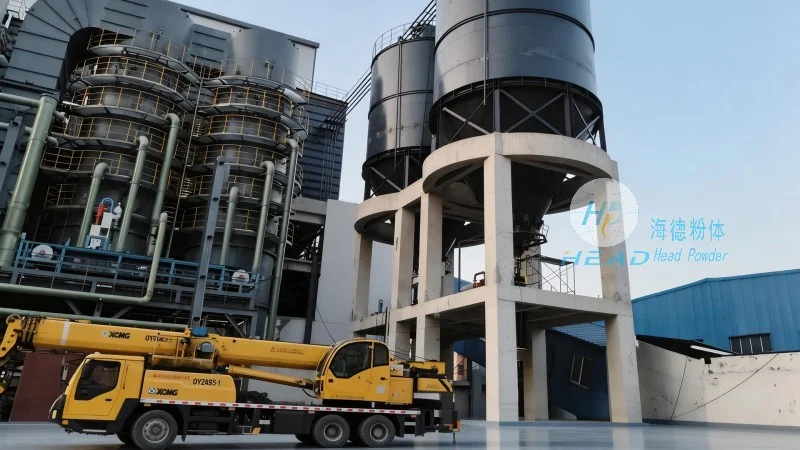
The hopper is designed to store the biomass powder, providing a stable feed source. It is equipped with a feeding mechanism, such as a screw feeder or rotary valve, which regulates the flow of material into the system. The feeder ensures consistent and controlled material input, preventing blockages and maintaining system efficiency. The air compressor generates the necessary air pressure to move the powder through the pipeline. Different types of compressors, like rotary lobe or screw compressors, are used depending on the specific application requirements. The pipeline system, made of durable materials like stainless steel or PVC, transports the powder and air mixture. It includes bends, elbows, and straight sections to guide the material to the destination. The control unit monitors and regulates the system's operation, ensuring optimal performance and safety.
Structural Principles and Working Mechanism
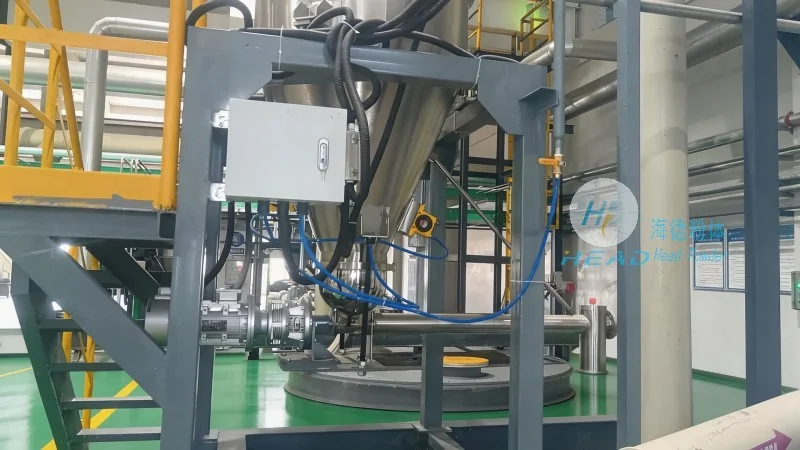
The structural principles of the biomass powder pneumatic conveying system are based on the principles of fluidization and air flow. The system operates by creating a low-pressure or high-pressure air stream that lifts and transports the biomass powder particles. The key is to maintain a stable air-powder mixture, preventing particle segregation and ensuring uniform transport. The system's design considers factors such as particle size, moisture content, and flow rate to optimize performance. The structural layout includes a feeding section, conveying section, and discharge section, each designed to handle specific operational requirements. The feeding section ensures a consistent material supply, the conveying section transports the material over the required distance, and the discharge section safely releases the powder at the destination.
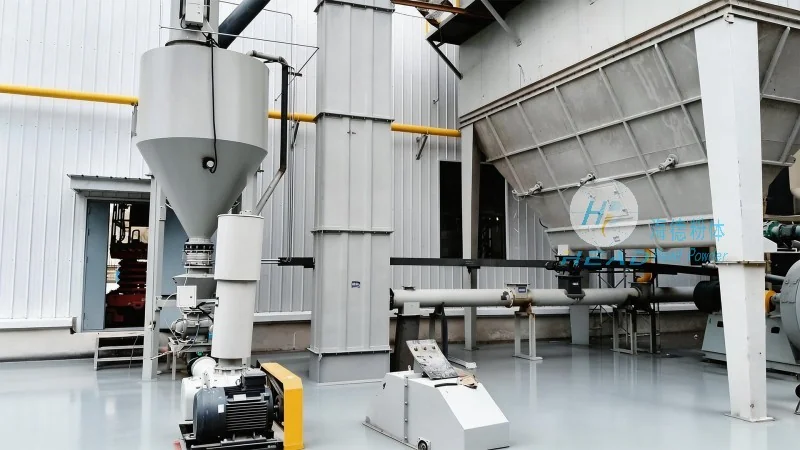
During operation, the air compressor draws in ambient air and compresses it to the required pressure. The compressed air is then mixed with the biomass powder in the hopper. The feeder regulates the powder flow, and the air-powder mixture is introduced into the pipeline. The air flow carries the powder particles through the pipeline, maintaining a stable suspension. The system's control unit monitors pressure, flow rate, and other parameters to adjust the operation as needed. The discharge section uses a valve or other mechanism to release the powder at the desired location, completing the conveying process.
Advantages and Applications
Biomass powder pneumatic conveying systems offer several advantages over traditional methods, such as belt conveyors or bucket elevators. These include higher efficiency, lower maintenance costs, and the ability to handle fine powders without clogging. The systems are also flexible, allowing for changes in material flow rates and distances. HeadPowder's systems are widely used in various applications, including biomass power plants, biofuel production facilities, and agricultural processing. They are particularly suitable for transporting materials like wood chips, sawdust, and other biomass powders, which are essential for renewable energy and sustainable practices.




