For industries dealing with bulk materials like potassium chloride, efficient and reliable material handling is crucial. The pneumatic conveying system represents a sophisticated solution that ensures safe, clean, and continuous transport of this essential chemical. This article provides an overview of the equipment involved and explains the underlying structural principles that make such systems effective.
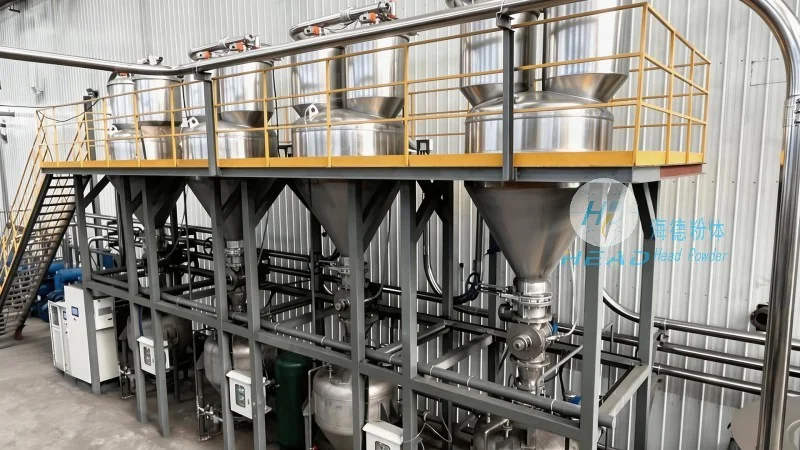
Overview of the Potassium Chloride Pneumatic Conveying System
The pneumatic conveying system for potassium chloride is designed to transport the material from storage silos or processing units to various destinations, such as packaging lines or storage facilities. It operates by using compressed air to create a flow that propels the solid particles through a network of pipes. This method offers several advantages over traditional mechanical conveying systems, including reduced risk of dust contamination, lower maintenance requirements, and the ability to handle materials with varying properties.
Key Components and Their Functions
The system comprises several critical components, each playing a vital role in the overall operation. The main components include the hopper, feeder, air compressor, conveying pipes, and control valves. The hopper serves as the storage vessel, holding the potassium chloride in a controlled manner. The feeder, typically a rotary valve or a screw feeder, regulates the flow of material into the system, ensuring a consistent feed rate. The air compressor generates the necessary pressure to move the material through the pipes. The conveying pipes are designed to withstand the pressure and material flow, often made of durable materials like stainless steel to prevent corrosion from the chloride environment. Control valves are used to manage the air flow and material discharge at different points in the system.
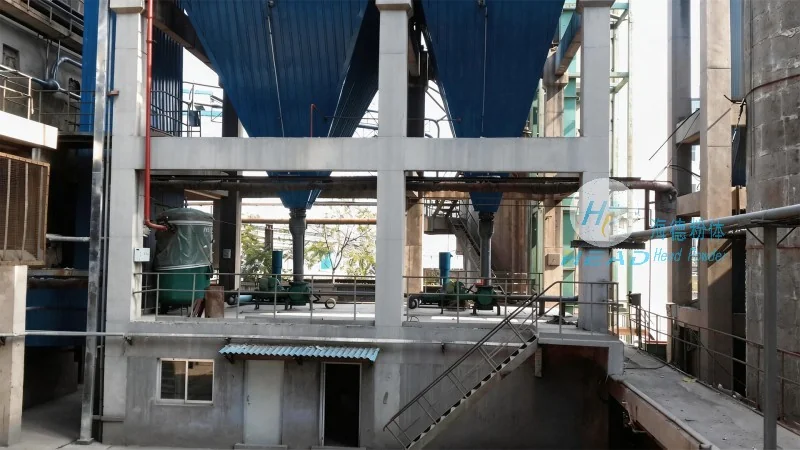
Structural Principles and Operational Mechanism
The core principle of the pneumatic conveying system is the creation of a fluidized bed within the conveying pipes. When compressed air is introduced into the hopper, it lifts the potassium chloride particles, forming a cloud of material that is then carried along by the air flow. The velocity of the air is carefully controlled to maintain a stable suspension of the particles, preventing them from settling or clogging the pipes. The system can operate in either dilute-phase or dense-phase modes, depending on the application requirements. In dilute-phase conveying, the air velocity is higher, resulting in a more turbulent flow that is suitable for short-distance transport. Dense-phase conveying, on the other hand, uses lower air velocities to create a more compact flow, which is ideal for longer distances or when handling materials that are prone to bridging or segregation.
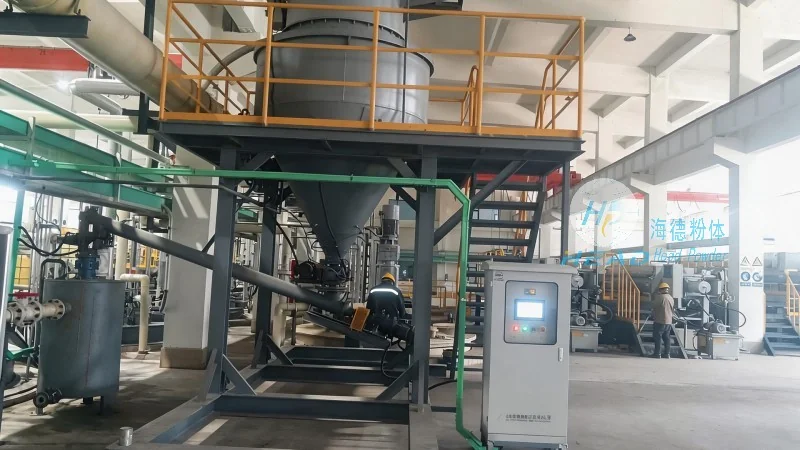
Advantages and Applications
Implementing a pneumatic conveying system for potassium chloride offers numerous benefits. It minimizes the risk of dust exposure, which is a significant health and safety concern in handling powders. The system also reduces the need for manual handling, improving operational efficiency and reducing labor costs. Additionally, the enclosed design prevents material contamination from external sources, ensuring product purity. These systems are widely used in the chemical, food, and pharmaceutical industries, where the transport of bulk materials requires precision and reliability. For example, in the production of potassium chloride for agricultural use, the system ensures that the material is transported from the production line to packaging without any loss or degradation.
Conclusion
In conclusion, the potassium chloride pneumatic conveying system is a highly effective solution for material handling in various industrial applications. By understanding the key components and structural principles, industries can optimize their operations to achieve higher efficiency, safety, and product quality. The system's ability to handle bulk materials like potassium chloride with minimal contamination and maximum reliability makes it an indispensable part of modern industrial processes. As a leading provider in this field, Shandong HeadPowder Engineering Co., Ltd. specializes in designing and manufacturing such systems tailored to meet the specific needs of clients, ensuring that the equipment operates at peak performance and meets industry standards.




