HeadPowder, a leading manufacturer based in Shandong, China, specializes in the design, development, and production of advanced pneumatic conveying systems. This article provides an overview of the equipment used in polyethylene pneumatic conveying systems, along with a detailed explanation of their structural principles and operational mechanisms.
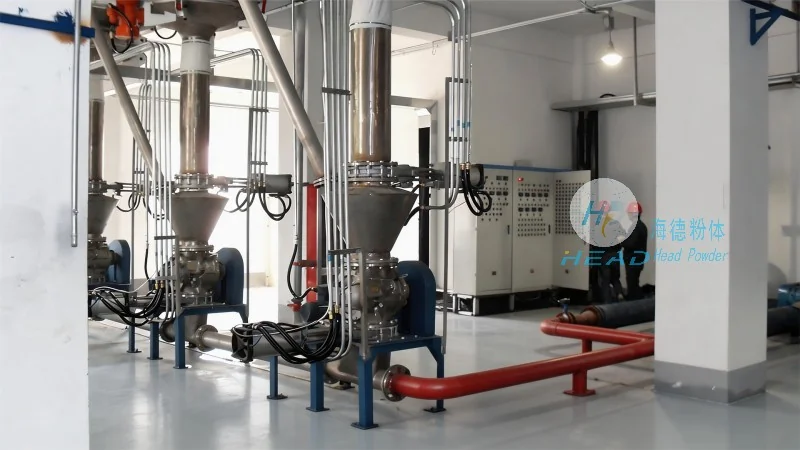
Polyethylene Pneumatic Conveying System Equipment Overview
The polyethylene pneumatic conveying system is a critical component in material handling processes, particularly for transporting polyethylene powders and granules. The system typically consists of several key equipment pieces that work in tandem to ensure efficient and reliable material transport. These components include the material feed hopper, the air supply unit, the conveying pipeline, and the material discharge unit. Each piece of equipment plays a vital role in the overall system performance and efficiency.
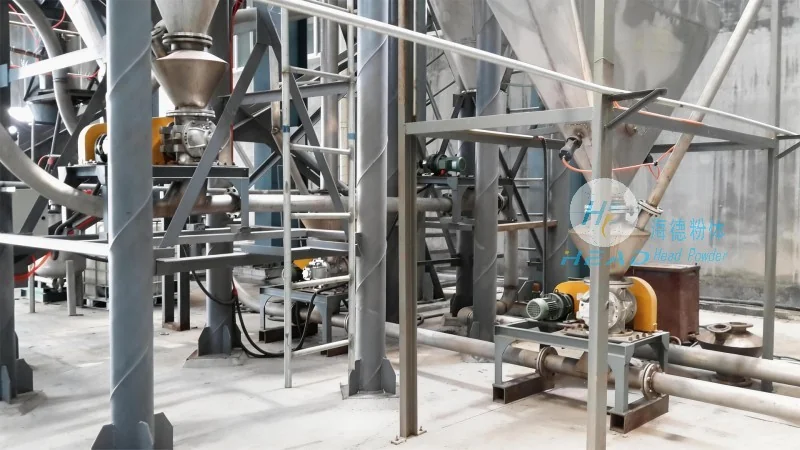
Structural Principles of Polyethylene Pneumatic Conveying Systems
The core structural principle of a pneumatic conveying system is the use of air pressure to move material particles through a pipeline. In the case of polyethylene, which is often in powder or granular form, the system relies on a combination of positive and negative pressure zones to achieve material transport. The system design incorporates features such as airlocks, rotary valves, and pressure vessels to control the flow of both material and air. The material feed hopper is designed to store and feed the polyethylene into the system, while the air supply unit generates the necessary air pressure to move the material through the pipeline. The conveying pipeline is constructed from materials that are compatible with polyethylene, ensuring no contamination or degradation of the material during transport. The material discharge unit then collects the polyethylene at the destination point, completing the conveying process.
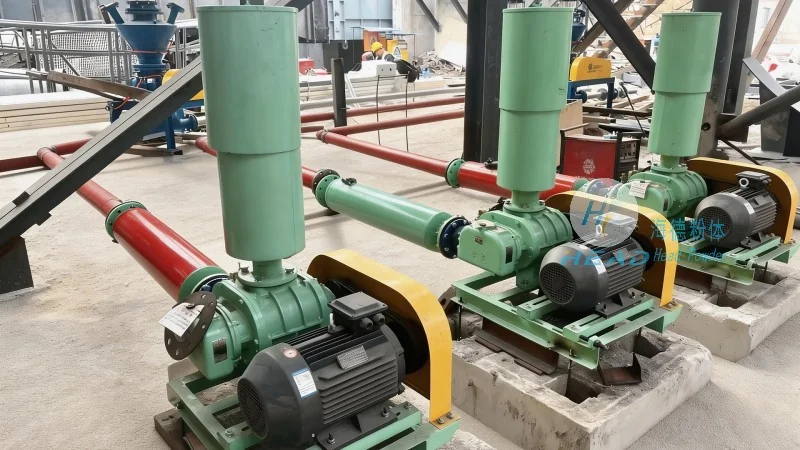
Key Components and Their Functions
Within the polyethylene pneumatic conveying system, several key components are essential for its proper operation. The material feed hopper is responsible for storing the polyethylene and providing a controlled feed rate to the system. It is typically equipped with a rotary valve or a star feeder to regulate the material flow into the conveying pipeline. The air supply unit, often a blower or a compressor, generates the required air pressure to move the material. This unit is connected to the pipeline and ensures a consistent air flow. The conveying pipeline is usually made of stainless steel or other corrosion-resistant materials to handle the polyethylene without any adverse effects. The pipeline may include bends, elbows, and other fittings that are designed to minimize pressure loss and maintain the material's flow characteristics. The material discharge unit, such as a receiver or a silo, collects the polyethylene at the end of the pipeline, allowing for easy storage or further processing.
Operational Mechanisms and Efficiency Considerations
The operational mechanism of a polyethylene pneumatic conveying system involves the creation of a pressure differential between the feed and discharge points. The air supply unit creates a high-pressure zone at the feed end, which forces the polyethylene particles to move through the pipeline. As the material travels, it experiences a combination of drag and lift forces, which are influenced by the air velocity and particle size. The system's efficiency is influenced by several factors, including the air pressure, the material's bulk density, and the pipeline diameter. Proper system design and maintenance are crucial to ensure optimal performance and minimize energy consumption. The use of airlocks and other sealing devices helps to prevent material leakage and maintain the system's integrity. Additionally, the system may include filters and cyclones to separate any air from the material at the discharge point, ensuring that the polyethylene is delivered in a clean and dry state.
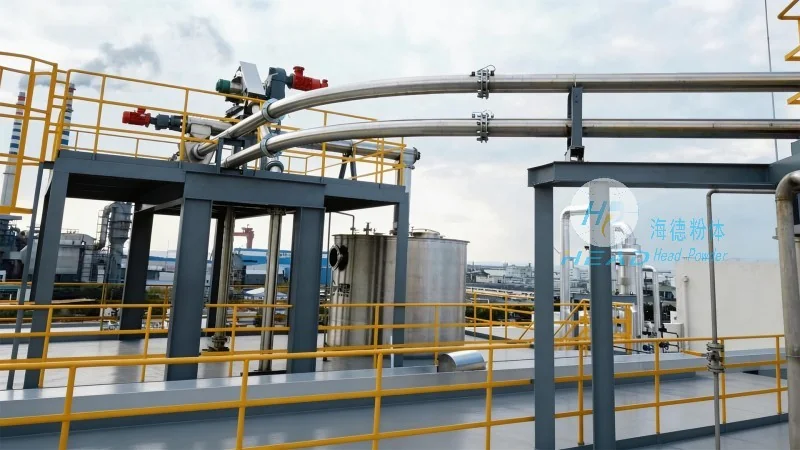
Applications and Industry Relevance
Polyethylene pneumatic conveying systems are widely used in various industries, including plastics manufacturing, chemical processing, and food processing. These systems are particularly suitable for transporting polyethylene powders and granules due to their ability to handle fine materials without the need for mechanical conveyors. The systems are often used in applications such as resin transport, pellet handling, and material transfer between processing units. The efficiency and reliability of these systems make them a preferred choice for industries that require consistent and high-quality material handling solutions. The use of advanced materials and design techniques has further enhanced the performance of polyethylene pneumatic conveying systems, making them more suitable for demanding industrial applications.




