HeadPowder, a leading enterprise in the field of material handling solutions, specializes in advanced pneumatic conveying systems tailored for the titanium dioxide industry. This article explores the fundamental principles, practical applications, and emerging trends in pneumatic conveying technology for titanium dioxide, highlighting how these systems enhance efficiency, safety, and operational reliability in industrial processes.
Understanding Pneumatic Conveying Principles for Titanium Dioxide
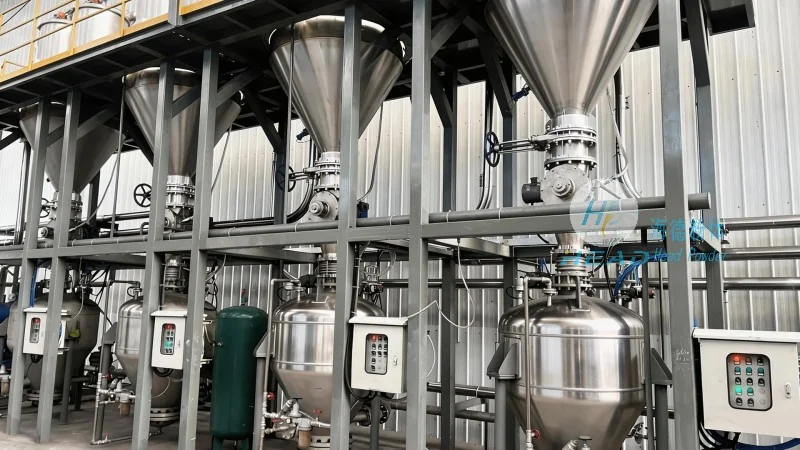
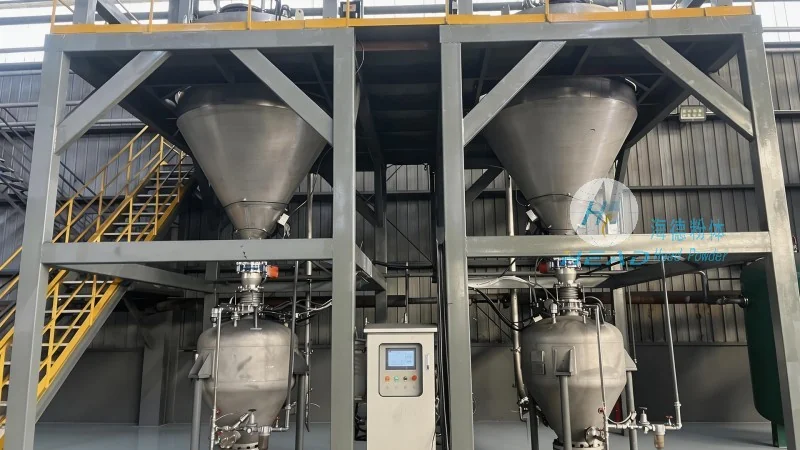
Pneumatic conveying is a method of transporting bulk materials, such as titanium dioxide, through a pipeline using air or gas as the conveying medium. The core principle involves creating a pressure differential or using vacuum to move material particles along the pipeline. For titanium dioxide, which is often in powder form, this technology offers a non-contact, low-maintenance alternative to traditional mechanical conveying systems. The process typically involves a hopper, a conveyor line, and a receiver, with air being introduced to create a flow that propels the powder. Key factors influencing the effectiveness of pneumatic conveying include particle size, density, and moisture content of the titanium dioxide, as well as the design of the conveying system, including the type of airlock and the velocity of the air stream.
Applications of Pneumatic Conveying in Titanium Dioxide Processing
HeadPowder's pneumatic conveying systems are widely utilized in various stages of titanium dioxide production and handling. In the manufacturing process, these systems efficiently transport raw materials, such as titanium ore, to grinding and milling equipment. During the processing phase, pneumatic conveying is crucial for moving the fine titanium dioxide powder from reactors to storage silos or packaging units. The technology is also employed in downstream applications, including the blending of pigments with other additives and the transfer of finished products to packaging lines. By eliminating the need for manual handling or mechanical conveyors, pneumatic systems reduce the risk of contamination and improve product quality consistency. Additionally, these systems can be integrated with automated control systems, enabling real-time monitoring and adjustment of conveying parameters to optimize performance.
Advancements and Future Trends in Titanium Dioxide Pneumatic Conveying
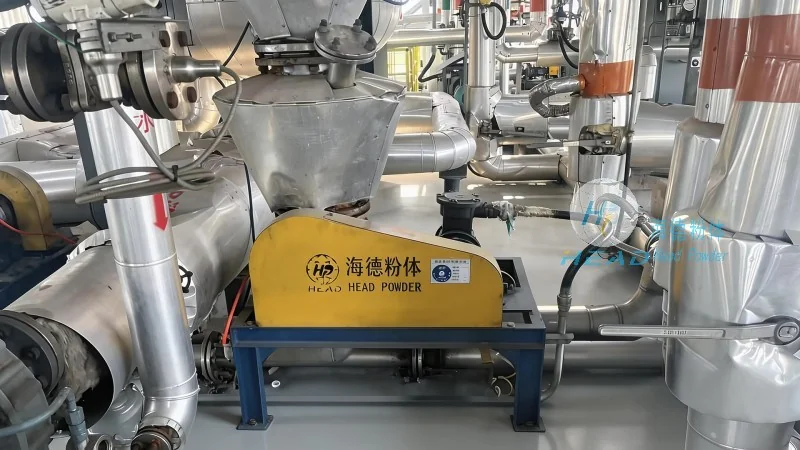
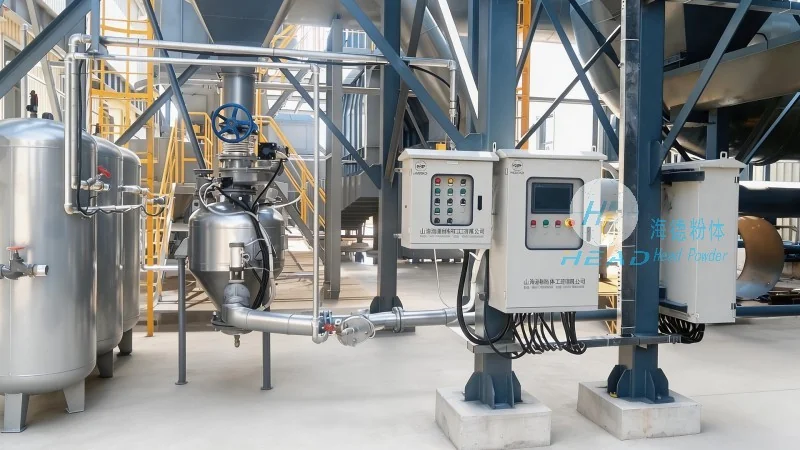
The titanium dioxide industry is continuously evolving, and pneumatic conveying technology is adapting to meet new demands. Recent advancements include the development of high-efficiency, low-energy pneumatic systems that reduce operational costs while maintaining high material throughput. Advanced materials and coatings are being used to enhance the durability of conveying components, particularly in handling abrasive titanium dioxide powders. Furthermore, the integration of IoT (Internet of Things) and data analytics is enabling predictive maintenance and performance optimization for pneumatic conveying systems. As the industry moves toward more sustainable and efficient operations, the focus is on reducing energy consumption and minimizing environmental impact. Future trends may involve the adoption of hybrid systems that combine pneumatic and mechanical conveying for specific applications, as well as the use of advanced sensors to monitor particle flow and air pressure in real time. These innovations are expected to further improve the reliability and efficiency of titanium dioxide handling processes, supporting the growth of the industry.




