Shandong HeadPowder Engineering Co., Ltd., commonly known as headpowder, specializes in the design and implementation of advanced pneumatic conveying systems for various industrial powders, including palm shell powder. With headquarters in Shandong, China, the company leverages decades of expertise to provide efficient, reliable, and cost-effective solutions tailored to the unique characteristics of palm shell powder.
Principles of Pneumatic Conveying for Palm Shell Powder
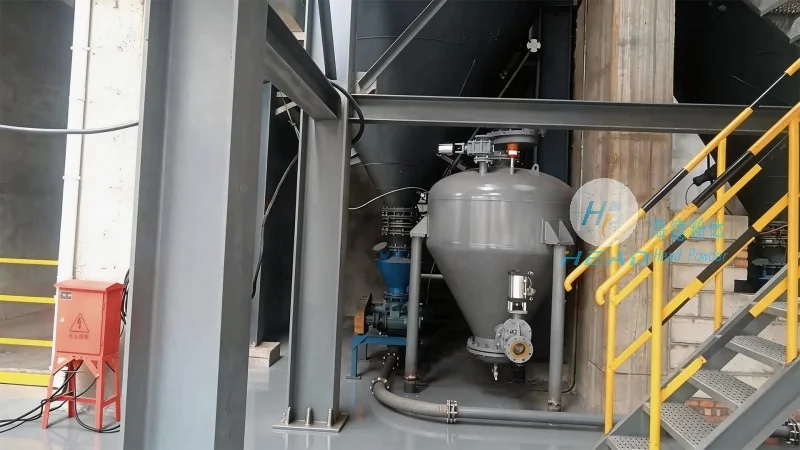
Pneumatic conveying, also known as pneumatic transport, is a method of transporting bulk materials like palm shell powder through a pipeline using air or other gases. The core principle involves creating a pressure differential within the system to move the material particles. There are two primary types of pneumatic conveying systems: pressure and vacuum. Pressure systems use compressed air to push the material through the pipeline, while vacuum systems use a vacuum to pull the material. For palm shell powder, which is typically lightweight and can be prone to dust generation, pressure systems are often preferred due to their ability to handle higher material loads and maintain consistent flow rates. The system typically consists of a hopper, a conveyor line, and a receiver. The hopper holds the palm shell powder, and as air is introduced, it lifts and transports the powder to the receiver. The air velocity is carefully controlled to ensure that the powder particles are fully entrained without causing excessive wear on the system components. The design of the hopper and the air inlet is critical to prevent material bridging and ensure smooth material flow. The conveyor line is usually made of corrosion-resistant materials such as stainless steel or plastic to withstand the abrasive nature of palm shell powder. The receiver collects the conveyed powder and may include a dust collection system to control airborne particles. The control system monitors air pressure, flow rate, and material level, ensuring optimal operation and preventing system failures.
Applications of Pneumatic Conveying in Palm Shell Powder Processing
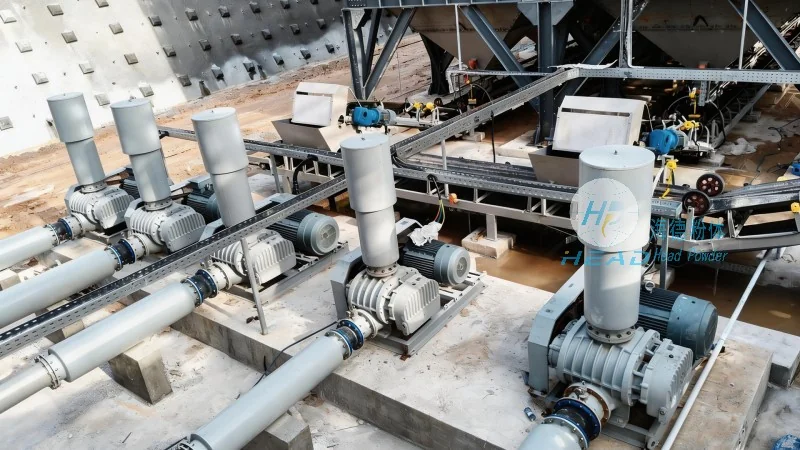
Pneumatic conveying systems are widely used in the processing of palm shell powder for various industrial applications. One of the primary uses is in the production of activated carbon, where the palm shell powder is conveyed from storage to processing equipment such as reactors or furnaces. The efficient transport of the powder ensures consistent feed rates, which is crucial for maintaining the quality and yield of the activated carbon. Another application is in the manufacturing of biofuels, where the palm shell powder is conveyed to mixing and combustion systems. The ability to handle large volumes of material quickly and reliably makes pneumatic conveying ideal for high-throughput biofuel production. In the food and feed industry, palm shell powder is sometimes used as a dietary supplement or filler. Pneumatic conveying systems are used to transport the powder from storage to blending and packaging equipment, ensuring that the material is handled hygienically and without contamination. The systems are also used in the chemical industry for the transport of palm shell powder used as a raw material in the production of chemicals or as a filter aid. The versatility of pneumatic conveying allows it to be adapted to a wide range of processing environments, from small-scale laboratory operations to large-scale industrial plants. The key advantage of using pneumatic conveying for palm shell powder is its ability to minimize material handling costs and reduce the risk of dust-related health and safety issues. By eliminating the need for manual handling and conveyor belts, the system improves operational efficiency and worker safety.
Development Trends in Pneumatic Conveying Technology for Palm Shell Powder
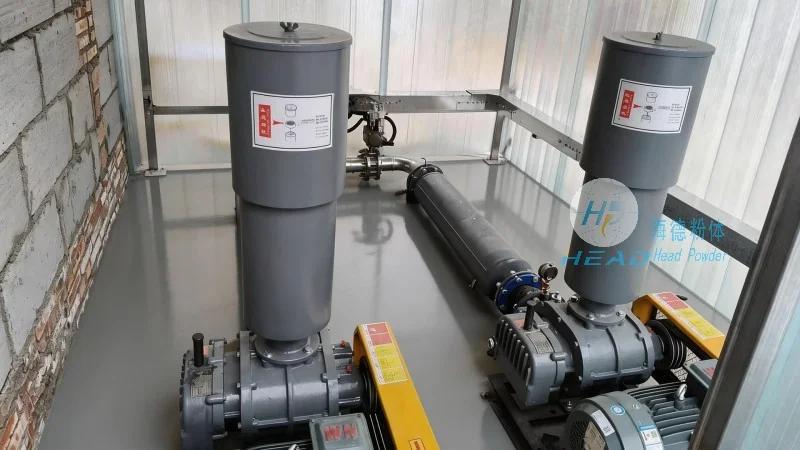
The field of pneumatic conveying technology is continuously evolving, with several trends shaping the future of palm shell powder transport. One significant trend is the adoption of advanced control systems and automation. Modern pneumatic conveying systems now feature sophisticated software that allows for real-time monitoring and adjustment of parameters such as air pressure, flow rate, and material level. This automation improves system efficiency, reduces downtime, and enhances overall performance. Another trend is the use of more durable and corrosion-resistant materials in system construction. As palm shell powder can be abrasive and may contain acidic or alkaline components, the use of high-quality stainless steel, polyethylene, or other specialized materials helps extend the lifespan of the system and reduce maintenance costs. The integration of sensors and IoT (Internet of Things) technology is also becoming more common. These sensors can monitor system performance, detect potential issues before they become major problems, and provide data for predictive maintenance. This proactive approach to maintenance minimizes unplanned downtime and improves the reliability of the system. Additionally, there is a growing focus on energy efficiency in pneumatic conveying systems. Newer designs incorporate energy-saving features such as variable frequency drives (VFDs) to adjust air flow based on the material load, reducing energy consumption without compromising performance. The development of more compact and modular systems is another trend, allowing for easier installation and integration into existing processing facilities. These modular systems can be customized to fit specific space constraints and operational requirements, making them more versatile and adaptable. Finally, the trend towards sustainable and eco-friendly solutions is influencing the design of pneumatic conveying systems. Companies are now considering the environmental impact of their systems, such as reducing air emissions and minimizing waste. This includes the use of more efficient dust collection systems and the implementation of recycling programs for materials. As the demand for palm shell powder continues to grow, these technological advancements will play a crucial role in ensuring the efficient and sustainable transport of the material.




