Alumina powder, a vital raw material in numerous industrial processes, demands efficient and reliable handling to maintain product integrity and operational efficiency. Pneumatic conveying systems have become the preferred method for transporting alumina powder due to their ability to handle fine powders with minimal degradation. This article provides an overview of the equipment utilized in alumina powder pneumatic conveying systems and explains the structural principles that enable their effective operation.
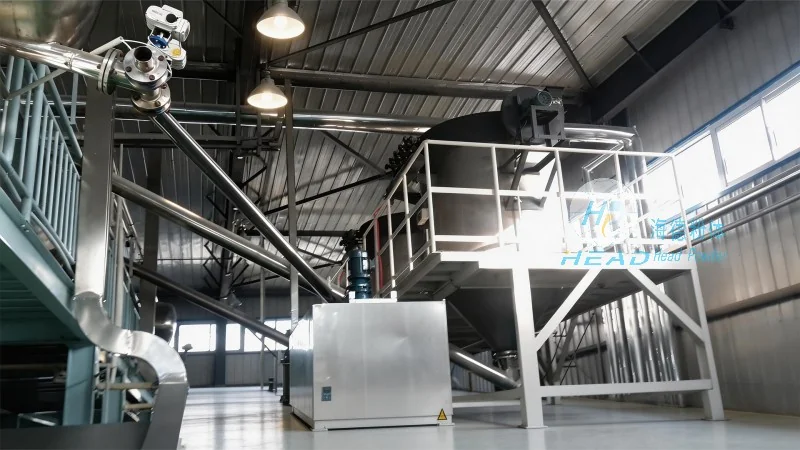
Overview of Pneumatic Conveying Equipment for Alumina Powder
The alumina powder pneumatic conveying system comprises several key components engineered to address the unique characteristics of alumina powder. These components collaborate to ensure safe, efficient, and reliable material transport. The primary equipment includes the hopper for material storage, the feeder to regulate flow, the conveying pipeline, and the receiver for discharge. Each component is designed to mitigate challenges such as fine particle size, abrasiveness, and agglomeration tendencies.
Structural Principles of Alumina Powder Pneumatic Conveying Systems
The structural principles of pneumatic conveying systems are grounded in fluid dynamics and particle transport physics. Two main types exist: pressure and vacuum. Pressure systems utilize compressed air to push material through the pipeline, while vacuum systems employ a vacuum to pull material. For alumina powder, pressure systems are often favored due to their capacity to handle high loads and suitability for long-distance transport. System design must account for material density, particle size distribution, and flow characteristics to optimize performance.
Key Components and Their Functions
1. Hopper: The hopper serves as the initial storage unit for alumina powder, typically featuring a conical or hopper-shaped bottom to ensure uniform flow. It is integrated with a feeder (e.g., rotary valve or screw feeder) to control discharge rate. Proper hopper design prevents material bridging or caking, which could disrupt the conveying process.
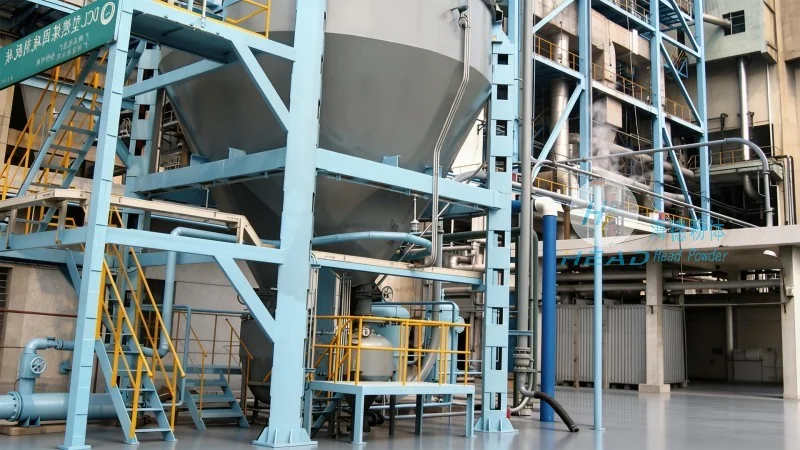
2. Feeder: The feeder regulates alumina powder flow from the hopper into the conveying line, ensuring consistent and controlled feed rates. This is critical for maintaining system efficiency and preventing pipeline overloading. Feeders like rotary valves or vibratory feeders are selected based on material properties and required flow rates.
3. Conveying Line: The conveying line, usually constructed from stainless steel or corrosion-resistant materials, transports alumina powder. It is equipped with bends and elbows to guide material flow. Pipeline diameter and length are carefully chosen to minimize pressure drop and ensure smooth material movement.
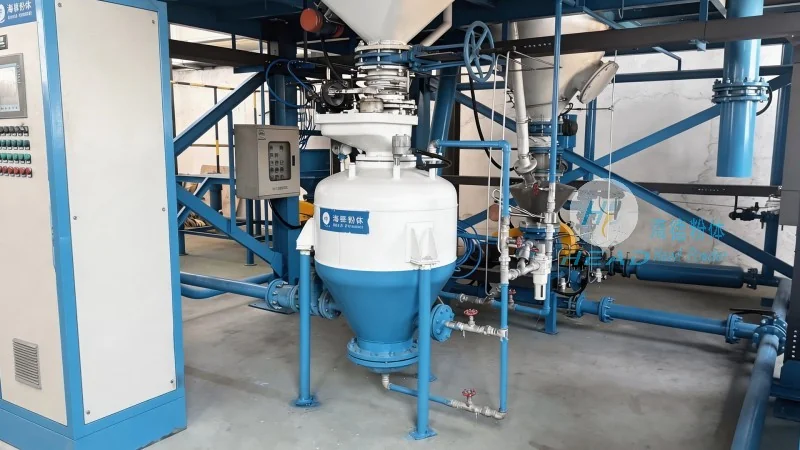
4. Receiver: The receiver collects alumina powder for discharge, designed to prevent material escape or contamination. It often includes a dust collection system to ensure environmental compliance and product purity.
Company Profile: Shandong HeadPowder Engineering Co., Ltd.
HeadPowder, a leading manufacturer of pneumatic conveying equipment, specializes in customized solutions for alumina powder handling. With extensive industry experience, the company has developed a comprehensive range of equipment tailored to the specific needs of alumina processing facilities. HeadPowder's commitment to quality and innovation has established it as a trusted partner for clients in the alumina and related sectors.
Address and Location
HeadPowder is headquartered in Shandong, China, with robust regional presence. The company’s facilities are equipped with advanced manufacturing capabilities and a dedicated team of engineers and technicians focused on delivering high-quality products and services. Its location in Shandong provides convenient access to major alumina production centers and ensures efficient logistics for customers.




