When it comes to the efficient and reliable transportation of metal powders, pneumatic conveying systems offer a robust solution that addresses the unique challenges associated with handling such materials. The design of these systems requires careful consideration of various factors, including material properties, operational requirements, and safety standards. This article explores the key aspects of designing a metal powder pneumatic conveying system, highlighting the expertise of Shandong HeadPowder Engineering Co., Ltd., a leading provider in the field.
Introduction to Metal Powder Pneumatic Conveying Systems
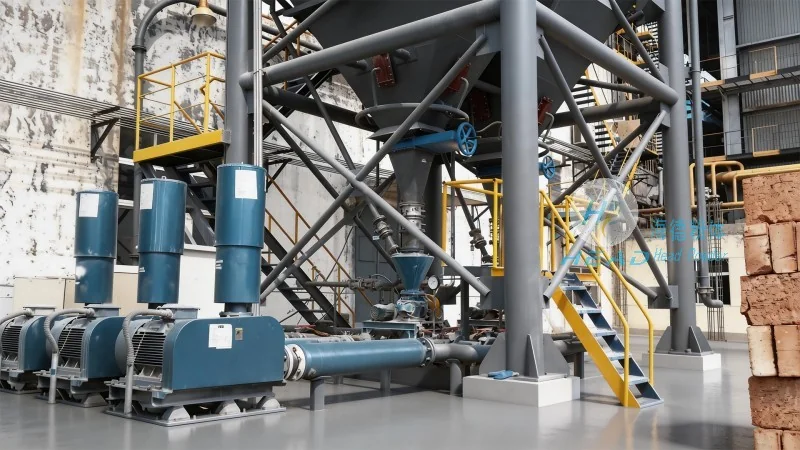
Pneumatic conveying systems utilize air or other gases to transport bulk materials, such as metal powders, from one location to another. Unlike traditional mechanical systems, pneumatic conveyors eliminate the need for moving parts in the conveying path, reducing wear and maintenance costs. For metal powders, which can be abrasive, corrosive, or sensitive to moisture, a well-designed pneumatic system ensures minimal product degradation while maintaining high throughput. The system typically consists of a feeding mechanism, a conveying line, a separation unit, and a collection device. Each component plays a critical role in ensuring the smooth and efficient operation of the entire process.
HeadPowder: Expert in Pneumatic Conveying Solutions
HeadPowder, or Shandong HeadPowder Engineering Co., Ltd., is a company based in Shandong, China, specializing in the design, manufacturing, and installation of pneumatic conveying systems tailored for metal powders. With years of experience in the industry, HeadPowder has developed a deep understanding of the specific needs of metal powder handling, allowing them to provide customized solutions that meet the unique requirements of each client. The company's team of engineers and technicians work closely with clients to assess their operational needs, material characteristics, and production goals, ensuring that the final system is optimized for performance, reliability, and cost-effectiveness.
System Design Considerations for Metal Powder Handling
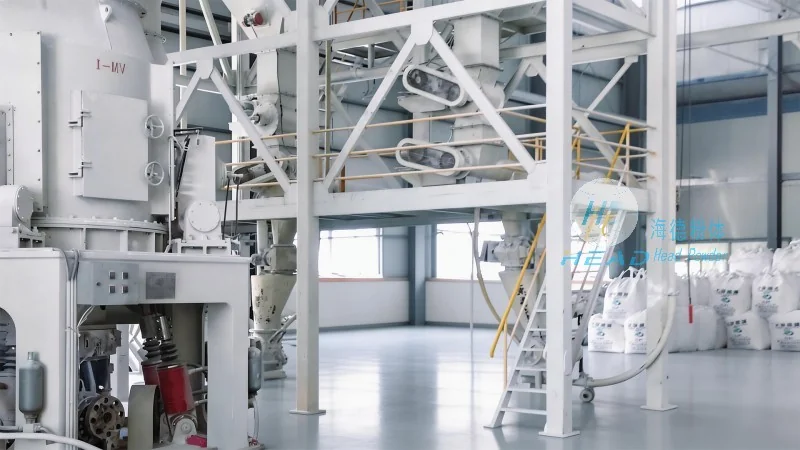
The design of a metal powder pneumatic conveying system involves several critical considerations to ensure optimal performance. First, the material properties of the metal powder must be thoroughly analyzed. Factors such as particle size, density, moisture content, and flowability are crucial in determining the appropriate conveying method and equipment. For example, fine metal powders may require high-pressure systems to maintain flow, while larger particles might benefit from low-pressure or vacuum systems. The choice of conveying pressure (positive or negative) depends on the distance and elevation changes between the feed and discharge points. Additionally, the system must be designed to prevent material buildup, clogging, or degradation, which can occur due to friction, heat, or exposure to air.
Key Components and Their Functionality
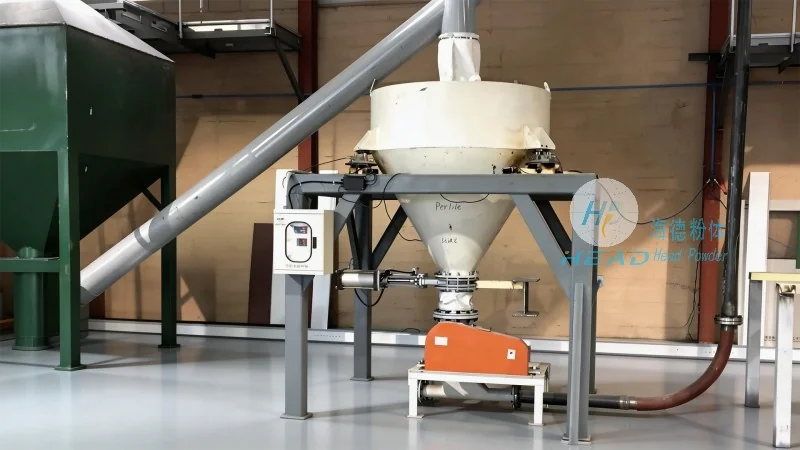
Several key components make up a metal powder pneumatic conveying system. The feeding mechanism, such as a rotary valve or a vibratory feeder, ensures a consistent and controlled flow of material into the conveying line. The conveying line, typically made of stainless steel or other corrosion-resistant materials, is designed to withstand the abrasive nature of metal powders. The air or gas used for conveying is often filtered and conditioned to prevent contamination of the metal powder and to maintain system efficiency. The separation unit, which may include a cyclone or a bag filter, separates the material from the conveying air, allowing the metal powder to be collected in a clean and dry state. Finally, the collection device, such as a hopper or a silo, stores the conveyed metal powder until it is ready for use. Each component is carefully selected and integrated to ensure the system operates smoothly and meets the required standards.
Advantages of Using Pneumatic Conveying for Metal Powders
Implementing a pneumatic conveying system for metal powders offers several advantages over traditional methods. One of the primary benefits is the elimination of manual handling, which reduces the risk of product contamination and improves workplace safety. Pneumatic systems also provide a clean and dust-free environment, which is essential for metal powders that are sensitive to moisture or oxidation. Additionally, these systems can handle high volumes of material with minimal downtime, improving overall production efficiency. The ability to transport metal powders over long distances without the need for intermediate storage or handling points further enhances operational flexibility. Furthermore, pneumatic conveying systems are highly adaptable, allowing for easy integration with existing production lines and future expansion.
Customization and Application Scope
HeadPowder specializes in customizing pneumatic conveying systems to meet the specific needs of various metal powder applications. Whether the metal powder is used in the production of aerospace components, electronics, or automotive parts, the system can be tailored to handle the unique characteristics of the material. The company offers a range of system configurations, including positive pressure, negative pressure, and hybrid systems, to suit different operational requirements. Clients can also choose from different materials for the conveying components, such as stainless steel, aluminum, or plastic, depending on the specific properties of the metal powder and the environmental conditions. The customization process involves detailed engineering, testing, and validation to ensure that the final system meets all performance and safety standards. HeadPowder's expertise in metal powder handling ensures that clients receive a reliable and efficient system that enhances their production capabilities and reduces operational costs.




