HeadPowder, a professional engineering company based in Shandong, China, specializes in the design, manufacturing, and supply of advanced pneumatic conveying systems tailored for calcined sand applications. This article provides an overview of the key equipment components, structural design, and operational principles of a calcined sand pneumatic conveying system, highlighting the technical aspects that ensure efficient and reliable material transport.
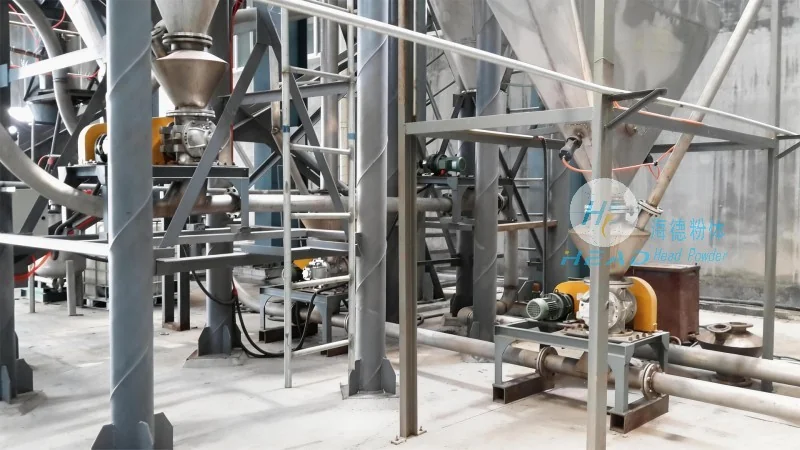
Company Profile and Expertise
HeadPowder Engineering Co., Ltd. is a leading provider in the field of material handling solutions, with a strong focus on industrial applications involving calcined sand. The company leverages years of experience and technical expertise to develop customized pneumatic conveying systems that meet the specific demands of clients in various industries. HeadPowder's commitment to quality and innovation ensures that their equipment is built to withstand the rigorous conditions associated with calcined sand processing, offering durability and long-term performance.
Overview of the Calcined Sand Pneumatic Conveying System
The calcined sand pneumatic conveying system is a sophisticated setup designed to transport calcined sand from one location to another using air as the conveying medium. This system replaces traditional mechanical conveying methods, such as belt conveyors or screw conveyors, by utilizing the principles of pneumatic transport. The primary goal is to achieve efficient, dust-free, and low-maintenance material transfer, which is crucial for industries dealing with calcined sand, including foundries, refractory materials, and construction materials.
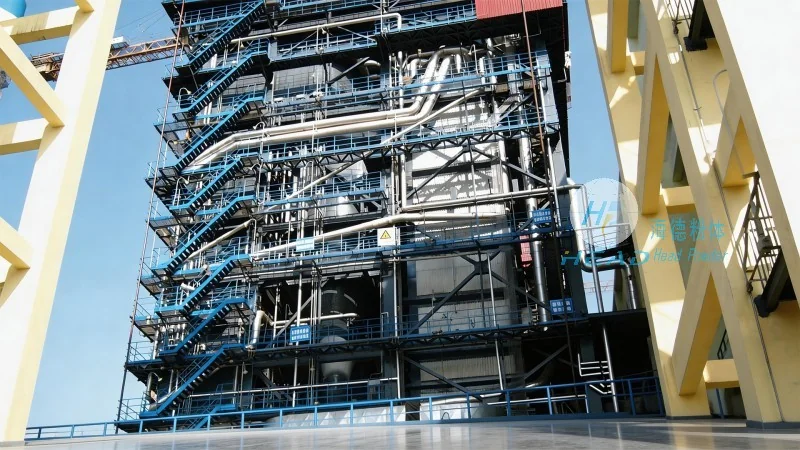
Key Equipment Components and Their Functions
The calcined sand pneumatic conveying system consists of several critical components, each playing a vital role in the overall operation. These components include the material hopper, feeder, air compressor, conveying pipeline, and dust collection system. Each component is designed to work in harmony to ensure smooth and continuous material transport.
Material Hopper and Feeder
The material hopper is the initial component where calcined sand is stored before being fed into the system. It is typically made of durable materials like stainless steel or high-grade carbon steel to resist corrosion and wear from the calcined sand. The hopper is equipped with a feeder, which can be a rotary valve or a screw feeder, responsible for controlling the flow rate of the calcined sand into the conveying line. The feeder ensures a consistent and controlled discharge of material, preventing blockages and maintaining system efficiency.
Air Compressor and Pressure Regulation
The air compressor is the heart of the pneumatic conveying system, responsible for generating the necessary air pressure to move the calcined sand through the pipeline. The compressor is usually a positive displacement type, such as a rotary screw or reciprocating compressor, capable of delivering high-pressure air. The system includes pressure regulation components, such as regulators and filters, to maintain stable pressure levels and ensure clean air is used for conveying. Proper pressure control is essential to prevent material degradation, pipeline wear, and to optimize energy consumption.
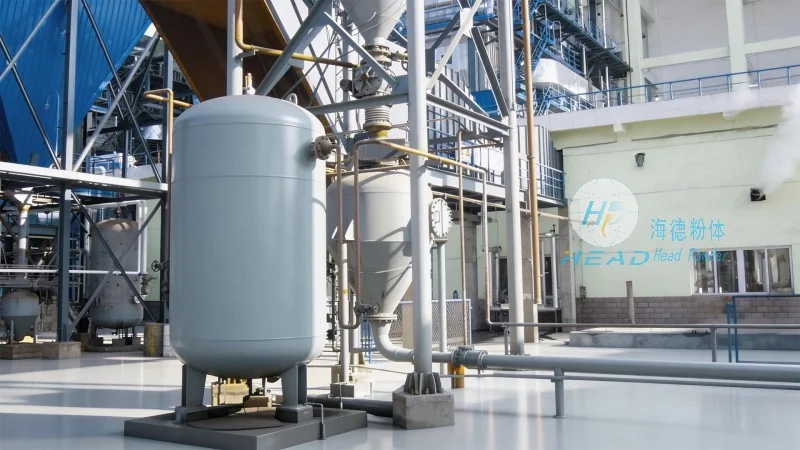
Conveying Pipeline and Pipeline Design
The conveying pipeline is a network of pipes that transport the calcined sand from the hopper to the discharge point. The design of the pipeline is critical, as it must withstand the pressure and abrasive nature of the calcined sand. Typically, the pipeline is made of corrosion-resistant materials like stainless steel or coated steel to handle the abrasive properties of the material. The pipeline layout is carefully planned to minimize bends and changes in direction, as excessive bends can cause material accumulation and blockages. The system may also include expansion joints and supports to accommodate thermal expansion and structural loads.
Dust Collection and Filtration System
Due to the fine nature of calcined sand, dust generation is a common issue during pneumatic conveying. The system incorporates a dust collection and filtration system to capture and remove airborne particles, ensuring a clean and safe working environment. This system typically includes a cyclone separator or a baghouse filter, which separates the sand particles from the air stream. The collected sand is then returned to the hopper, while the cleaned air is discharged back into the environment or recirculated if necessary. This feature not only improves safety but also maintains the quality of the calcined sand by preventing contamination from dust.
Structural Principles and Operational Efficiency
The structural design of the calcined sand pneumatic conveying system is based on several key principles to ensure optimal performance. These principles include maintaining consistent air pressure, controlling material flow rates, and minimizing energy consumption. The system is designed to operate at a pressure range that is sufficient to overcome the resistance in the pipeline while avoiding excessive pressure that could damage components or cause material degradation. The use of efficient feeders and compressors helps in reducing energy costs and improving overall system efficiency. Additionally, the system is equipped with monitoring and control devices that allow operators to adjust parameters in real-time, ensuring that the conveying process runs smoothly and efficiently.
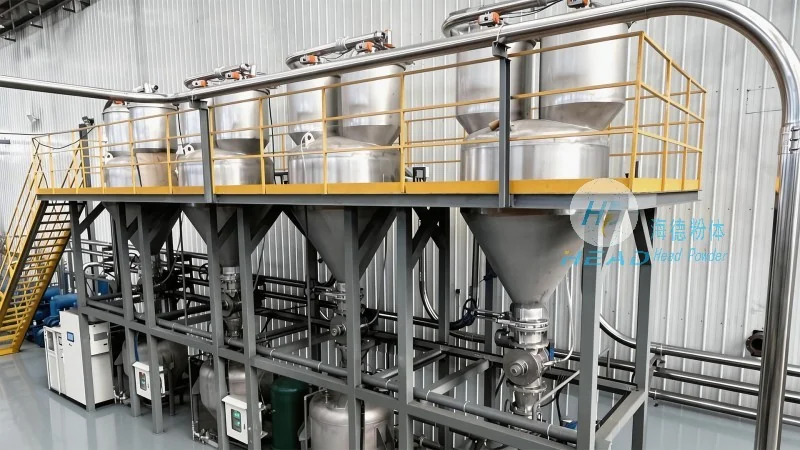
Advantages of the Calcined Sand Pneumatic Conveying System
Implementing a calcined sand pneumatic conveying system offers several advantages over traditional conveying methods. These advantages include reduced labor costs, as the system automates the material transport process, minimizing the need for manual handling. The system also provides a dust-free environment, improving workplace safety and reducing the risk of respiratory issues associated with handling fine powders. Furthermore, the system is compact and can be installed in confined spaces, making it suitable for facilities with limited floor space. The low maintenance requirements and long service life of the equipment contribute to overall cost savings and operational reliability.
Conclusion
HeadPowder Engineering Co., Ltd. provides comprehensive solutions for calcined sand pneumatic conveying systems, combining advanced technology with expert engineering. The system's design, based on robust structural principles and efficient operational components, ensures reliable and efficient material transport. By leveraging the expertise of HeadPowder, industries dealing with calcined sand can achieve improved productivity, reduced operational costs, and enhanced safety in their material handling processes. The calcined sand pneumatic conveying system represents a modern and effective solution for the transportation of calcined sand, aligning with the evolving needs of industrial applications.




