

Operation Process and Working Principle of Nickel Powder Pneumatic Conveying Equipment
Understanding the operation process and working principle of nickel powder pneumatic conveying equipment is crucial for optimizing material handling in industrial settings. This equipment, designed specifically for the efficient transport of nickel powder, plays a vital role in various manufacturing processes where precision and reliability are paramount.
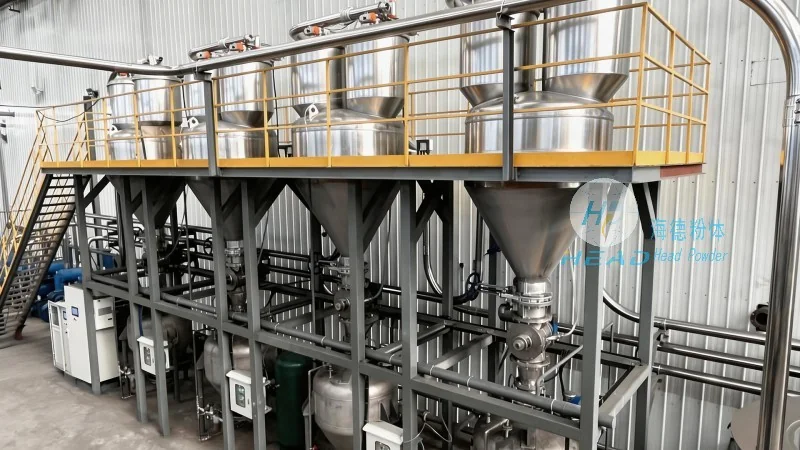
Company Introduction: HeadPowder
HeadPowder, or Shandong HeadPowder Engineering Co., Ltd., is a leading manufacturer based in Shandong, China. With a strong commitment to engineering excellence and customer satisfaction, the company specializes in the design, development, and production of advanced pneumatic conveying systems tailored to meet the unique demands of industrial applications. Their expertise in material handling technology ensures that clients receive high-quality equipment that enhances operational efficiency and safety.
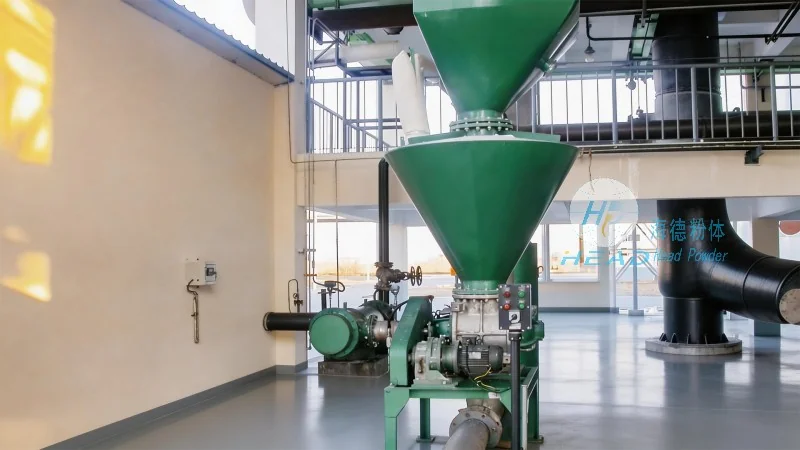
The Operation Process of Nickel Powder Pneumatic Conveying Equipment
The operation of nickel powder pneumatic conveying equipment involves a systematic sequence of steps to ensure smooth and continuous material transport. The process typically begins with the preparation phase, where the nickel powder is loaded into the hopper or storage tank. This initial step is critical as it sets the foundation for the entire conveying operation. Once the material is properly loaded, the system proceeds to the start-up phase. During this phase, the air compressor or blower is activated, generating the necessary airflow to initiate the conveying process. The air pressure is carefully controlled to match the specific characteristics of the nickel powder, such as its particle size, density, and flowability. As the air is introduced into the system, it creates a flow that draws the nickel powder from the hopper and transports it through the pipeline to the destination point. The conveying process continues until the desired amount of material has been delivered, after which the system transitions to the shutdown phase. This phase involves deactivating the air compressor and allowing the remaining material to settle back into the hopper. Proper shutdown procedures are essential to prevent material buildup and ensure the equipment remains in optimal condition for future use.
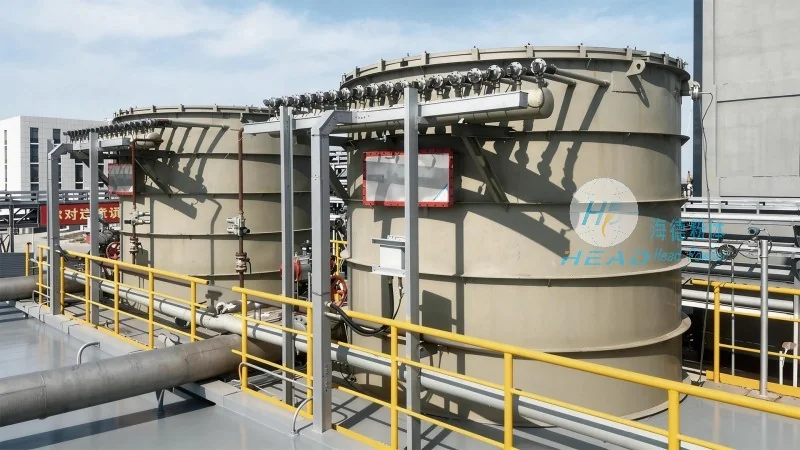
The Working Principle of Nickel Powder Pneumatic Conveying Equipment
The working principle of nickel powder pneumatic conveying equipment is based on the fundamental concept of using air as a medium to transport solid materials. There are two primary types of pneumatic conveying systems: positive pressure and negative pressure. Positive pressure systems operate by blowing air into the pipeline, creating a pressure higher than the ambient air pressure. This pressure difference forces the nickel powder to move through the pipeline. In contrast, negative pressure systems create a vacuum in the pipeline, drawing the material from the source and pulling it towards the destination. The choice between these systems depends on factors such as the material's properties, the distance to be conveyed, and the required flow rate. The equipment typically includes components such as a hopper, air compressor, pipeline, and control valves. The hopper serves as the storage and feeding unit, where the nickel powder is introduced. The air compressor generates the airflow, while the pipeline transports the material. Control valves are used to regulate the air pressure and flow rate, ensuring precise control over the conveying process. The system may also incorporate filters and cyclones to separate the air from the powder and prevent dust contamination. This separation process is vital for maintaining the purity of the nickel powder and protecting the equipment from wear and tear caused by abrasive particles.
Key Features and Advantages of the Equipment
HeadPowder's nickel powder pneumatic conveying equipment offers several key features that enhance its performance and reliability. One of the primary advantages is its ability to handle fine powders like nickel powder without causing clogging or blockages. The design incorporates features such as smooth pipelines and appropriate air flow rates to prevent material accumulation. Additionally, the equipment is equipped with advanced control systems that allow for real-time monitoring and adjustment of the conveying parameters. This ensures that the process remains efficient and consistent, even under varying operational conditions. The use of high-quality materials in the construction of the equipment, such as corrosion-resistant metals, further enhances its durability and longevity. These features collectively contribute to a system that is not only efficient but also cost-effective and environmentally friendly. By minimizing material loss and reducing the need for manual handling, the equipment helps to improve overall operational efficiency and reduce downtime.
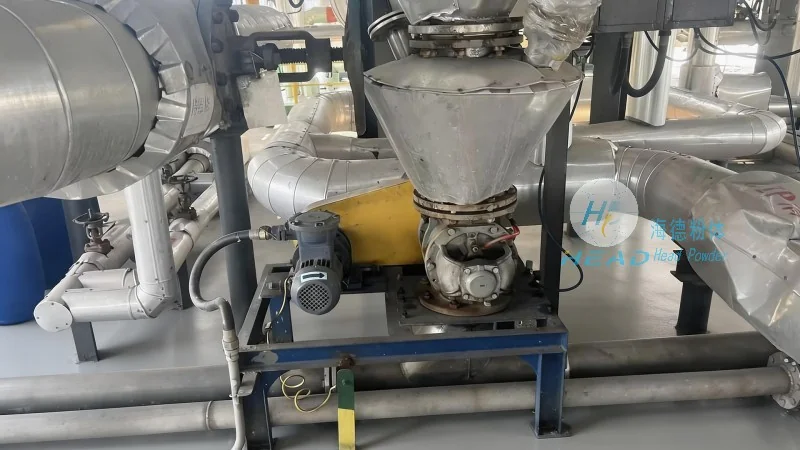
Application and Industrial Significance
Nickel powder pneumatic conveying equipment is widely used in various industrial applications where the handling of fine powders is essential. In the chemical industry, it is used for transporting nickel-based powders used in the production of alloys and catalysts. In the metallurgical sector, the equipment plays a crucial role in the processing of nickel ore and the preparation of nickel powders for further processing. The automotive industry also benefits from this technology, as nickel powders are used in the manufacturing of batteries and other components. The equipment's ability to handle sensitive materials without degradation makes it an ideal choice for applications where material purity is critical. By ensuring that the nickel powder remains intact and free from contamination, the equipment supports the production of high-quality end products. The industrial significance of this equipment lies in its contribution to improving production efficiency, reducing labor costs, and enhancing safety in material handling operations. As industries continue to demand higher precision and reliability in their processes, the role of pneumatic conveying equipment becomes increasingly important.