Rice pneumatic conveying equipment is a critical component in modern grain processing facilities, designed to efficiently transport rice from one location to another while maintaining product quality. This equipment utilizes air as the primary medium to move bulk materials, offering advantages such as reduced contamination risk, improved hygiene, and the ability to handle delicate products like rice without mechanical contact. The operation process and working principle of these systems are essential for understanding their functionality and optimizing performance in industrial settings.
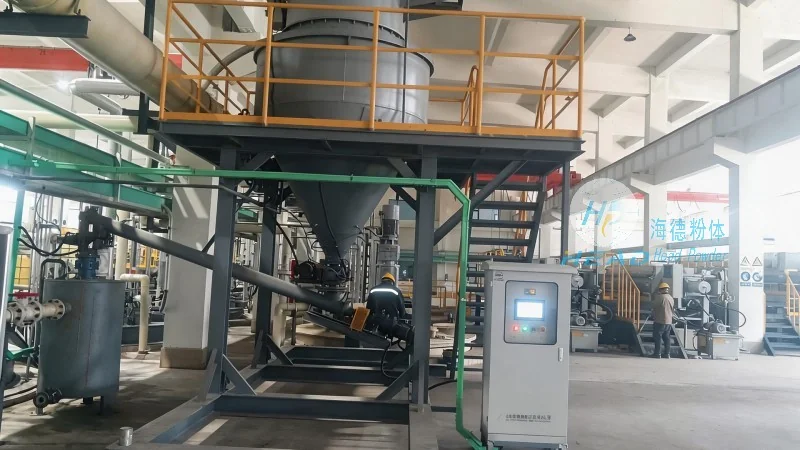
Overview of Rice Pneumatic Conveying Systems
Rice pneumatic conveying systems typically consist of several key components, including a hopper for material storage, a conveying line (often a flexible hose or rigid pipe), a blower or air compressor to generate airflow, and a receiver or discharge point. The system operates by drawing air and rice from the hopper into the conveying line, where the air velocity is sufficient to lift and transport the rice particles through the system. This process is highly efficient for moving large volumes of rice over short to medium distances, making it suitable for applications in rice mills, storage facilities, and processing plants.
Working Principle of Pneumatic Conveying
The core working principle of rice pneumatic conveying equipment is based on the Bernoulli principle and the concept of fluid dynamics. When air is introduced into the conveying line at a high velocity, it creates a low-pressure zone that draws rice particles into the air stream. The rice particles are then suspended and carried along the line by the airflow. The system can operate in either dilute-phase or dense-phase modes, depending on the air velocity and material flow rate. Dilute-phase systems use higher air velocities to transport rice in a more dispersed state, while dense-phase systems use lower velocities to move material in a more concentrated form, reducing the risk of material degradation and equipment wear.
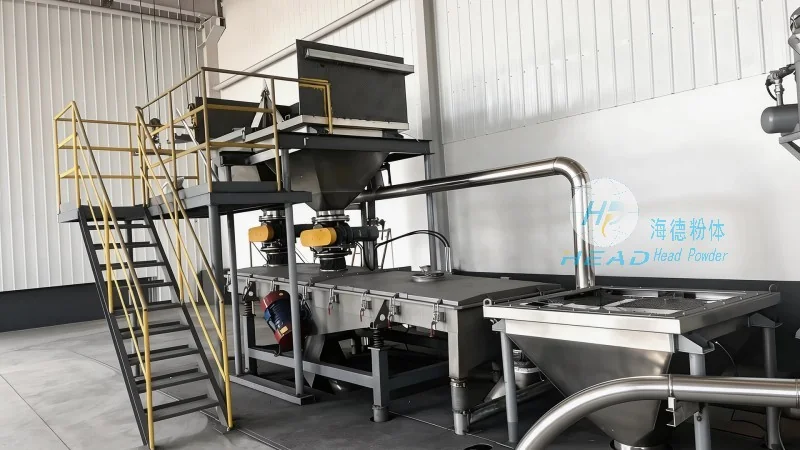
Operation Process: Step-by-Step Guide
The operation process of a rice pneumatic conveying system involves several sequential steps to ensure smooth and efficient material transport. First, the rice is loaded into the hopper, where it is stored until needed. The system is then started by activating the blower or air compressor, which generates the necessary airflow. As the air flows through the conveying line, it draws rice from the hopper and transports it to the discharge point. The rice is then deposited into the receiver or processing equipment. The system can be controlled manually or automatically, with sensors monitoring air pressure, flow rate, and material level to ensure optimal performance. Regular maintenance, such as cleaning the conveying line and checking the blower performance, is essential to prevent clogs and ensure consistent operation.
Key Features and Benefits of Rice Pneumatic Conveying Equipment
Rice pneumatic conveying equipment offers several advantages over traditional mechanical conveying methods. These include improved product hygiene, as the rice is not in direct contact with metal or other materials, reducing the risk of contamination. The system also minimizes material damage, as the air flow is gentle and does not cause abrasion or breakage of the rice grains. Additionally, pneumatic conveying systems are more flexible in terms of layout, as they can be easily reconfigured to accommodate changes in production processes or facility expansions. The equipment is also relatively low maintenance, with fewer moving parts compared to mechanical conveyors, reducing downtime and operational costs.
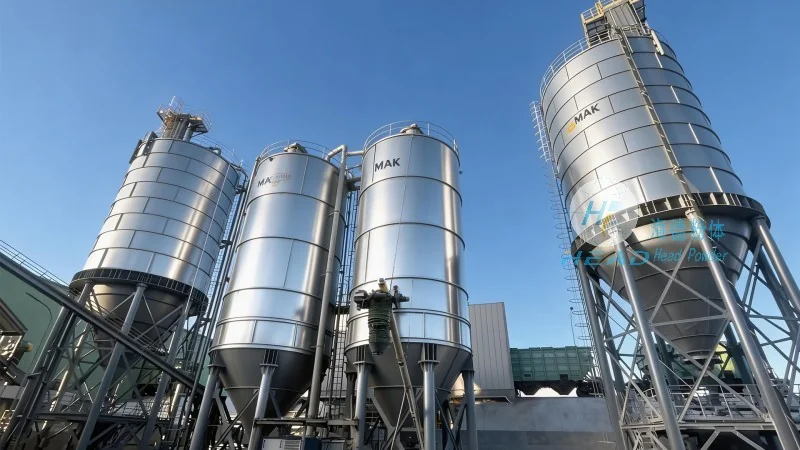
Applications in Rice Processing
Rice pneumatic conveying equipment is widely used in various stages of rice processing, from raw material handling to final product packaging. In rice mills, the equipment is used to transport raw rice from storage silos to processing equipment, such as hullers and polishers. It is also used to move processed rice to packaging lines or storage containers. The system is particularly useful in facilities that require high-volume, continuous material transport, as it can handle large quantities of rice without the need for manual labor or additional equipment. The flexibility of the system allows it to be integrated into existing processing lines, enhancing overall efficiency and productivity.
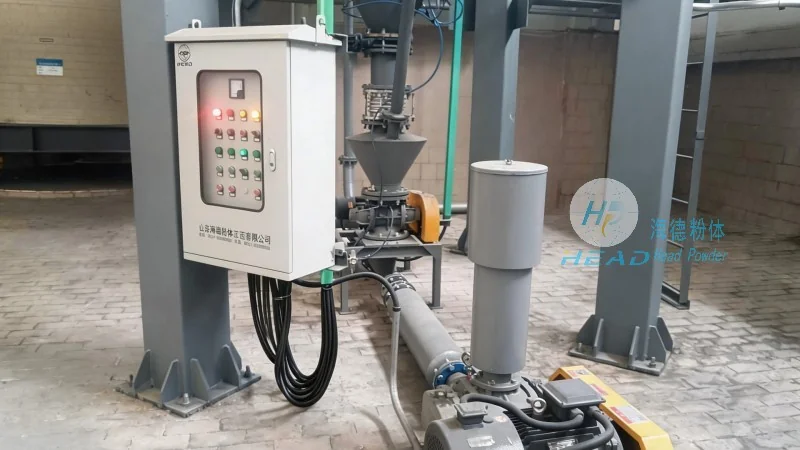
Company Information: Shandong HeadPowder Engineering Co., Ltd.
HeadPowder, a leading manufacturer of pneumatic conveying equipment, specializes in providing customized solutions for rice processing facilities. With a focus on quality and innovation, the company has developed advanced rice pneumatic conveying systems that meet the specific needs of the rice industry. HeadPowder's equipment is designed to be durable, efficient, and easy to maintain, ensuring long-term performance and reliability. The company's headquarters is located in Shandong, China, and serves clients worldwide with a commitment to customer satisfaction and technical support.
Conclusion
In conclusion, rice pneumatic conveying equipment is a vital technology in the rice processing industry, offering efficient and hygienic methods for transporting rice. The operation process and working principle of these systems are based on sound engineering principles and are designed to optimize performance and product quality. With the expertise of companies like Shandong HeadPowder Engineering Co., Ltd., rice mills and processing facilities can benefit from advanced pneumatic conveying solutions that enhance productivity and ensure consistent product handling. As the demand for high-quality rice products continues to grow, the importance of reliable pneumatic conveying equipment will only increase, making it an essential investment for any rice processing operation.




