This article provides an overview of the equipment and operational principles for cement and fly ash pneumatic conveying systems, a critical technology in the cement and construction industries. The system is designed to efficiently transport bulk materials like cement and fly ash over long distances with minimal maintenance and high reliability. As a leading manufacturer in this field, Shandong HeadPowder Engineering Co., Ltd. (hereinafter referred to as HeadPowder) specializes in developing and supplying advanced pneumatic conveying solutions tailored to the specific needs of cement plants and related facilities.
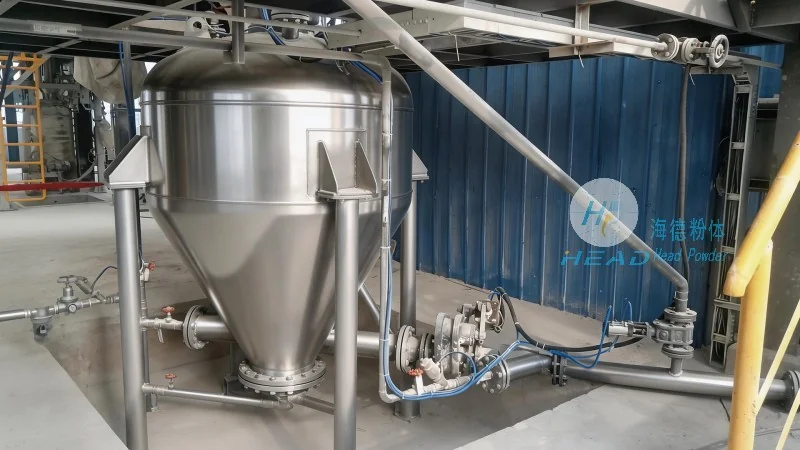
Key Components of the Pneumatic Conveying System
The cement and fly ash pneumatic conveying system consists of several core components that work in tandem to ensure smooth material transport. These include the material hopper, which serves as the storage and feeding unit for the bulk materials. The hopper is equipped with a feeding valve to control the flow rate of the material into the system. A rotary airlock valve is installed at the outlet of the hopper to prevent backflow and maintain consistent material discharge. The main conveying line, typically made of stainless steel or other corrosion-resistant materials, is designed to withstand the abrasive nature of cement and fly ash. The system also incorporates a blower or air compressor that generates the necessary air pressure to move the material through the pipeline. At the receiving end, a cyclone separator or a filter system is used to separate the conveyed material from the air stream, ensuring clean material discharge and air filtration. Additionally, a silencer may be included to reduce noise levels generated by the blower.
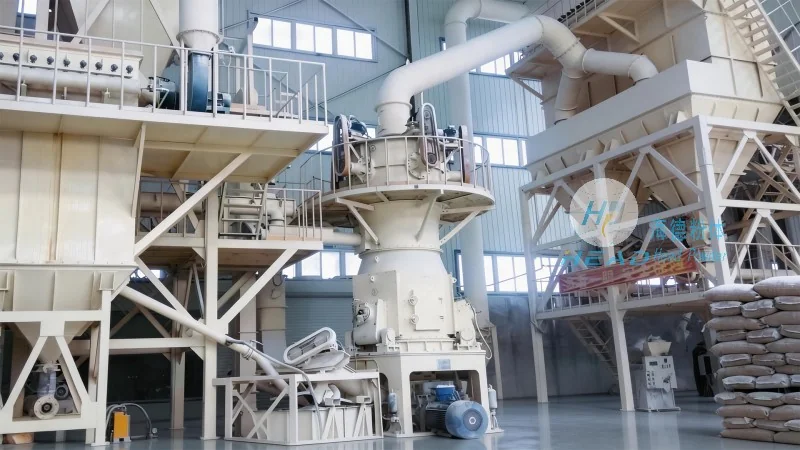
Structural Principles and Working Mechanism
The structural design of the cement and fly ash pneumatic conveying system is based on the principle of air suspension, where the material is suspended in a stream of air and transported through the pipeline. The system operates under positive pressure, meaning the air pressure is higher than the ambient air pressure, which helps to prevent dust leakage and maintain a closed system. The material is fed into the conveying line from the hopper, and the air is introduced from the blower. The combination of air and material creates a slurry-like mixture that flows through the pipeline. The velocity of the air is carefully controlled to ensure that the material particles are fully suspended without causing excessive wear on the pipeline or components. The cyclone separator at the receiving end uses centrifugal force to separate the material from the air. The material is collected in a receiving hopper, while the air is either recirculated back to the blower or discharged through a filter to remove any residual dust. This closed-loop system minimizes material loss and environmental pollution, making it an environmentally friendly solution for bulk material transport.
Advantages of the Pneumatic Conveying System
Compared to traditional mechanical conveying methods, the cement and fly ash pneumatic conveying system offers several advantages. Firstly, it eliminates the need for multiple transfer points and conveyor belts, reducing the overall footprint of the system and simplifying the layout of the cement plant. Secondly, the system is highly efficient in terms of energy consumption, as the air pressure can be adjusted to match the specific requirements of the material and distance to be conveyed. Thirdly, it provides excellent control over the material flow rate, allowing for precise dosing and batching. Fourthly, the system is highly reliable and requires minimal maintenance, as there are no moving parts in direct contact with the material. Finally, the closed system design ensures that dust and emissions are contained, meeting environmental regulations and improving workplace safety.
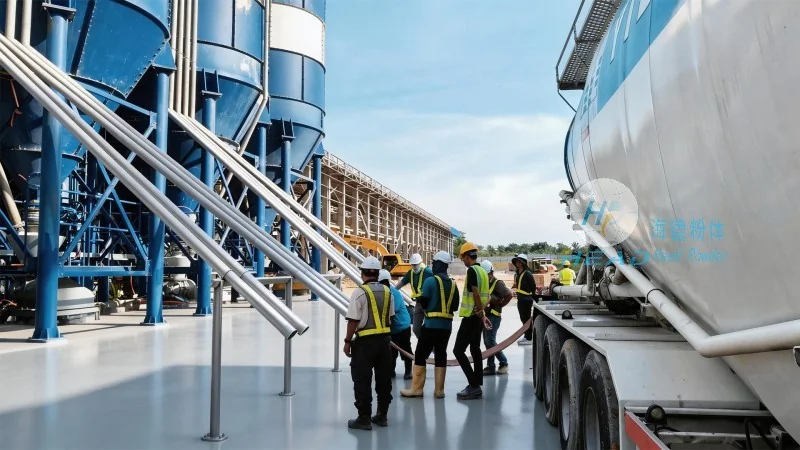
Applications and Customization Options
The cement and fly ash pneumatic conveying system is widely used in various applications within the cement industry, including raw material transport from storage silos to the kiln, finished product discharge from the clinker cooler, and fly ash handling from the boiler to the storage silos. The system can be customized to accommodate different material types, conveying distances, and flow rates. For example, the diameter of the conveying line can be adjusted based on the volume of material to be transported, and the blower size can be increased or decreased to match the required air pressure. HeadPowder offers a range of customization options to ensure that the system meets the specific needs of each customer, including different material hopper sizes, feeding valve types, and separator designs. The company also provides technical support and after-sales service to ensure that the system operates at optimal performance levels.




