

Operation Process and Working Principle of Styrene Powder Conveying
Styrene powder conveying is a critical process in industrial applications, particularly for the handling and transportation of styrene, a key monomer used in the production of polymers and resins. The efficient and reliable operation of styrene powder conveying systems is essential for maintaining production continuity and ensuring product quality. This article provides an in-depth overview of the operation process and working principle of styrene powder conveying systems, highlighting the key components, operational steps, and technical considerations involved.
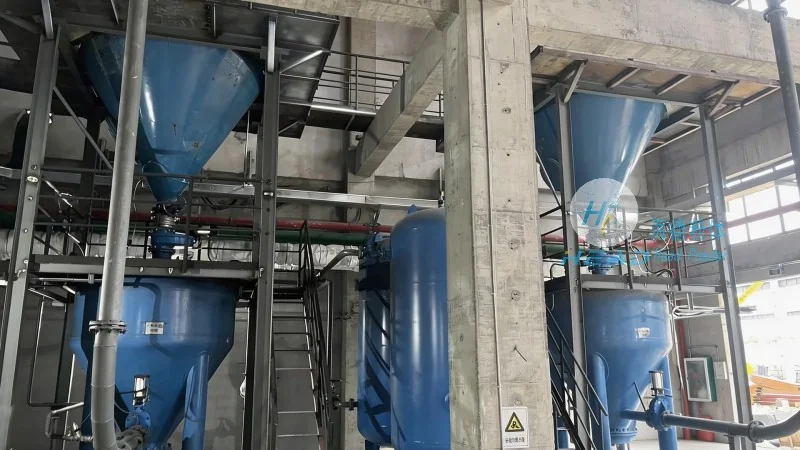
About Shandong HeadPowder Engineering Co., Ltd.
Shandong HeadPowder Engineering Co., Ltd., commonly known as HeadPowder, is a leading provider of specialized engineering solutions for powder handling and conveying systems. With a strong focus on innovation and customer satisfaction, HeadPowder has established itself as a trusted partner in the chemical and polymer industries. The company is headquartered in Shandong, China, and serves clients globally with tailored solutions for various powder processing needs.
Key Components of Styrene Powder Conveying Systems
Styrene powder conveying systems typically consist of several core components that work in tandem to ensure smooth and efficient material transport. These components include: feeders, conveyors (such as pneumatic or mechanical systems), hoppers, and control systems. The feeders are responsible for accurately metering the styrene powder into the conveying line, while the conveyors transport the material through the system. Hoppers are used to store and regulate the flow of the powder, and control systems monitor and adjust the operation parameters to maintain optimal performance.
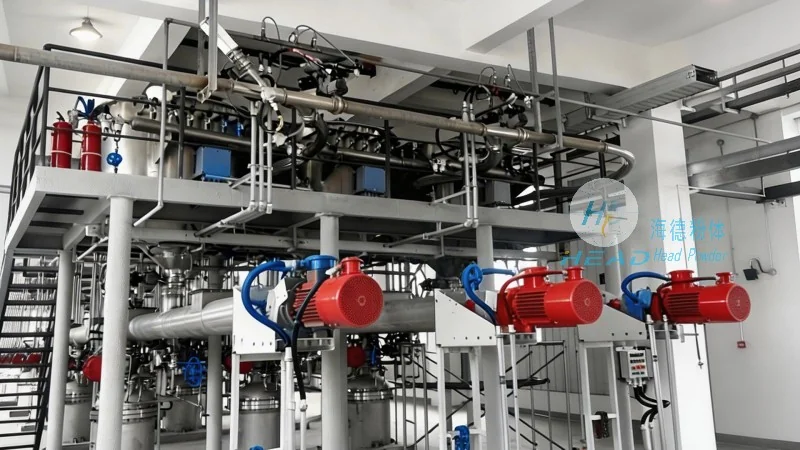
Operation Process of Styrene Powder Conveying
The operation process of styrene powder conveying involves several sequential steps. First, the styrene powder is loaded into the hopper from a storage silo or bulk container. The feeder then regulates the flow of the powder into the conveying line, ensuring a consistent feed rate. Next, the conveying system (either pneumatic or mechanical) transports the powder to the destination point, such as a reactor or storage tank. The control system continuously monitors parameters like pressure, flow rate, and temperature to ensure the process runs smoothly. Any deviations are automatically adjusted to maintain stable operation. The entire process is designed to minimize material loss, prevent contamination, and ensure compliance with safety and environmental regulations.
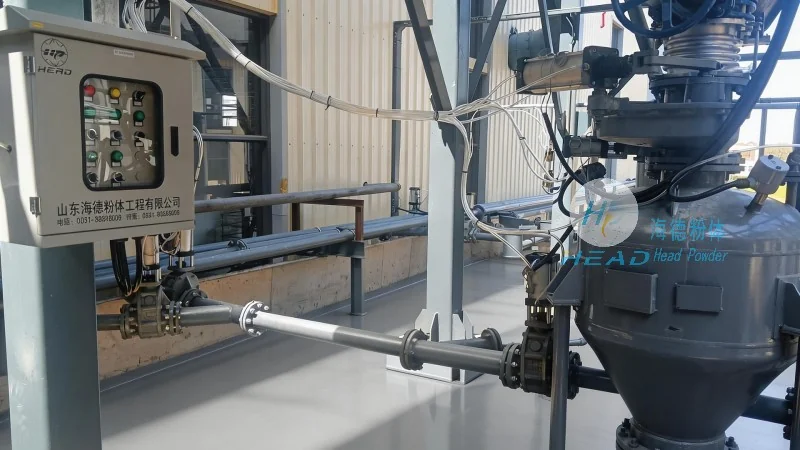
Working Principle of Styrene Powder Conveying
The working principle of styrene powder conveying systems varies depending on the type of conveyor used. For pneumatic conveying systems, the process relies on the movement of air or gas to transport the powder particles. The powder is introduced into a pipeline where it is suspended and carried by the airflow. The velocity and pressure of the air are carefully controlled to ensure the powder is conveyed without clogging or degradation. Mechanical conveying systems, on the other hand, use rotating components like screws or belts to move the powder through the system. These systems are often more suitable for high-volume applications and can handle a wider range of particle sizes. Both types of systems are designed to maintain the integrity of the styrene powder, preventing agglomeration or degradation that could affect downstream processes.
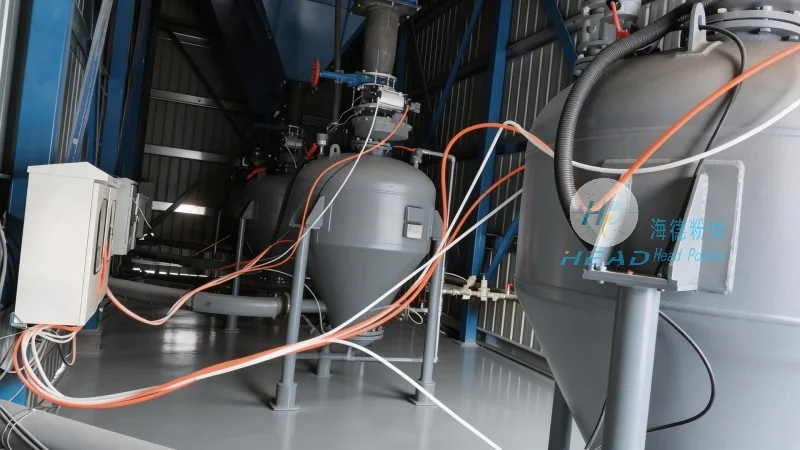
Advantages of Effective Styrene Powder Conveying
Efficient styrene powder conveying offers several advantages for industrial operations. By minimizing material handling time and reducing the risk of contamination, companies can improve production efficiency and product quality. The use of advanced control systems also enhances safety by preventing overpressurization or other hazardous conditions. Additionally, well-designed conveying systems can reduce energy consumption and maintenance costs over the long term. For styrene, which is a volatile and potentially hazardous material, proper conveying techniques are crucial for maintaining workplace safety and environmental compliance.
Conclusion
Styrene powder conveying is a complex but essential process that requires careful design and operation. By understanding the key components, operation process, and working principles of these systems, industrial facilities can optimize their material handling operations. Shandong HeadPowder Engineering Co., Ltd. provides specialized solutions and expertise to help clients achieve efficient and reliable styrene powder conveying, ensuring smooth production and compliance with industry standards.