HeadPowder, a leading provider in the field of powder handling technology, specializes in the efficient and reliable conveying of grit powders. This article delves into the operation process and working principle of grit powder conveying systems, offering a comprehensive understanding of how these systems function to ensure optimal performance in various industrial applications.
Company Overview
Shandong HeadPowder Engineering Co., Ltd., commonly known as HeadPowder, is a professional enterprise based in Shandong, China. With years of experience in the powder processing industry, the company focuses on developing and manufacturing advanced conveying solutions tailored to the unique needs of clients in different sectors. HeadPowder's commitment to innovation and quality has established it as a trusted partner for businesses requiring efficient powder handling systems.
The Operation Process of Grit Powder Conveying
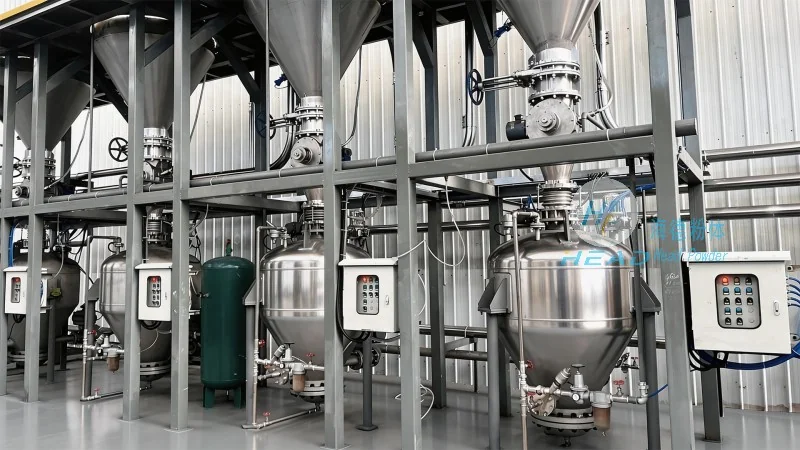
The operation process of grit powder conveying involves several key steps designed to ensure the safe and efficient transport of abrasive materials. The process typically begins with the loading of the grit powder into the conveying system. This can be done through various methods, such as manual feeding or automated loading mechanisms, depending on the scale of the operation. Once loaded, the powder is transferred through a series of components that work in tandem to move the material from the source to the destination.
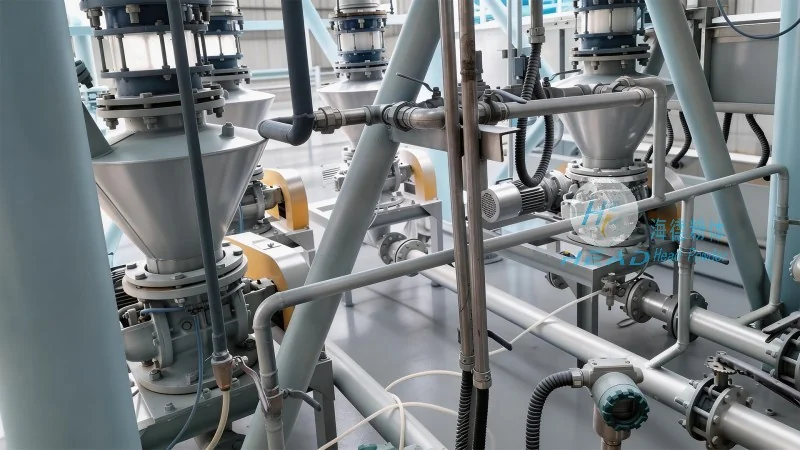
During the conveying process, the system utilizes a combination of mechanical and pneumatic components to handle the abrasive nature of the grit powder. The initial stage involves the use of a hopper or feeder to regulate the flow of the powder, preventing overloading and ensuring a consistent feed rate. This step is crucial for maintaining the efficiency of the entire system and avoiding blockages or material degradation.
Next, the powder is directed into the conveying line, which may consist of pipes or ducts designed to withstand the abrasive properties of the grit. The conveying method employed can vary, with common options including pneumatic conveying (using air pressure to move the powder) or mechanical conveying (using screws, belts, or other mechanical means). The choice of method depends on factors such as the particle size, moisture content, and the distance the powder needs to travel.
As the grit powder moves through the system, it may encounter components like cyclones or separators that help separate any air or fine particles from the main material stream. These components are essential for maintaining the purity of the powder and preventing contamination. The separated air is then typically filtered and recycled back into the system, while the powder continues along the conveying path.
The final stage of the operation process involves the unloading of the grit powder at the destination point. This can be achieved through a variety of methods, including discharge hoppers, rotary valves, or other controlled discharge mechanisms. Proper unloading ensures that the powder is released in a controlled manner, minimizing dust generation and ensuring the material is delivered to the intended location without loss or degradation.
The Working Principle of Grit Powder Conveying Systems
The working principle of grit powder conveying systems is based on the fundamental principles of fluid dynamics and mechanical engineering. At its core, the system aims to transport the abrasive powder by utilizing the force of air or mechanical motion to move the material through the conveying line. The design of these systems is carefully optimized to handle the unique challenges posed by grit powders, which are often fine, dry, and can be highly abrasive.
In pneumatic conveying systems, the working principle involves creating a pressure differential between the inlet and outlet of the conveying line. Air is introduced into the system, and as it flows through the pipes, it entrains the grit powder particles, carrying them along the path. The velocity of the air is carefully controlled to ensure that the powder particles are suspended and transported without settling or clogging the system. This method is particularly effective for short to medium-distance conveying and for materials that are not too heavy or abrasive.
For mechanical conveying systems, the working principle relies on the movement of mechanical components such as screws, belts, or augers to push the powder along the conveying path. These systems are often more suitable for longer distances or for materials that are too heavy or abrasive for pneumatic conveying. The mechanical components are designed to withstand the abrasive nature of the grit powder, with materials like stainless steel or specialized alloys used to prevent wear and tear.
A key aspect of the working principle is the control of air flow and pressure in pneumatic systems, or the mechanical force applied in mechanical systems. Proper control ensures that the powder is conveyed efficiently and without damage. Additionally, the system incorporates safety features and monitoring mechanisms to detect any issues such as blockages, pressure changes, or material buildup, allowing for immediate intervention to prevent system failure.
Key Components and Their Roles
Several critical components are integral to the operation and working principle of grit powder conveying systems. Each component plays a specific role in ensuring the smooth and efficient transport of the abrasive material. Understanding these components is essential for maintaining the performance and longevity of the system.
First, the hopper or feeder is responsible for regulating the flow of the grit powder into the system. It ensures that the powder is fed at a consistent rate, preventing overloading and maintaining a steady supply to the conveying line. The design of the hopper, including its shape and material, is crucial for minimizing material bridging and ensuring smooth flow.
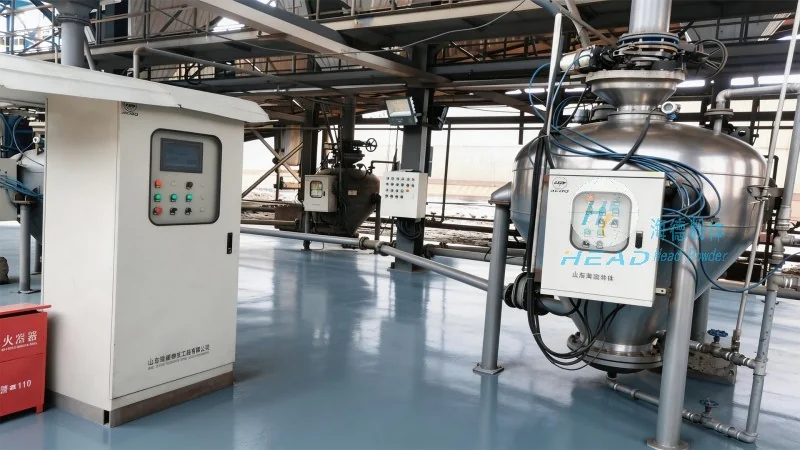
Second, the conveying line itself, whether it is a pipe or duct, is designed to withstand the abrasive nature of the grit powder. The material used for the pipes, such as stainless steel or high-density polyethylene, is selected based on the specific properties of the powder, including its hardness and potential for corrosion. The diameter and length of the line are also carefully determined to optimize the conveying efficiency and minimize pressure losses.
Third, the cyclone or separator is a critical component in pneumatic systems. It works by using centrifugal force to separate the powder particles from the air stream. As the air and powder mixture enters the cyclone, the heavier powder particles are forced to the outer wall and fall to the bottom, where they are collected. The air, now relatively clean, exits the top of the cyclone and is either filtered or recycled back into the system. This component is essential for maintaining the purity of the powder and preventing dust emissions.
Fourth, the discharge mechanism, such as a rotary valve or discharge hopper, is responsible for releasing the powder at the destination point. These components are designed to control the flow rate and prevent dust generation during unloading. The choice of discharge mechanism depends on the application and the characteristics of the powder, with options ranging from simple hoppers to more complex rotary valves that can handle high volumes and abrasive materials.
Applications and Benefits
Grit powder conveying systems are widely used in various industrial applications where the efficient handling of abrasive powders is essential. These systems are commonly employed in industries such as mining, construction, and manufacturing, where grit powders are used for processes like grinding, polishing, and surface treatment.
One of the primary benefits of using a grit powder conveying system is the improved efficiency and safety in material handling. By automating the process, businesses can reduce the risk of manual handling, which can be hazardous due to the abrasive nature of the powder. The systems also help in maintaining a consistent flow of material, ensuring that production processes are not interrupted by material shortages or blockages.
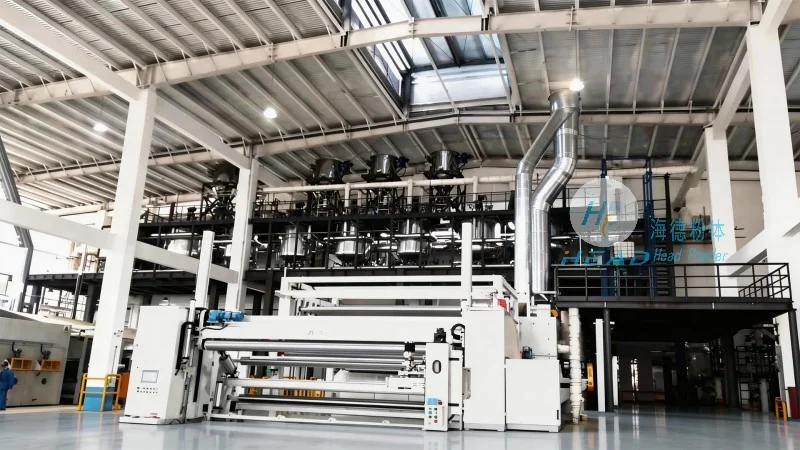
Another significant benefit is the reduction in dust and contamination. Properly designed conveying systems, especially those with cyclones and separators, minimize the release of fine particles into the environment, improving workplace safety and compliance with environmental regulations. This is particularly important in industries where dust is a known health hazard.
The systems also offer cost savings by reducing material waste and improving the overall productivity of the operation. By ensuring that the powder is transported efficiently and without degradation, businesses can minimize losses due to clogging, blockages, or material degradation, leading to lower operational costs and higher profitability.
Maintenance and Best Practices
To ensure the long-term performance and reliability of grit powder conveying systems, proper maintenance and best practices are essential. Regular maintenance helps in identifying and addressing issues before they lead to system failure, thereby minimizing downtime and repair costs.
Key maintenance tasks include inspecting and cleaning the conveying line and components, checking for wear and tear on mechanical parts, and monitoring the system's performance parameters such as pressure and flow rates. It is also important to use appropriate materials for replacement parts, ensuring that they can withstand the abrasive nature of the grit powder.
Best practices for operating the system include starting the system with the hopper empty to avoid initial blockages, gradually increasing the feed rate to prevent overloading, and monitoring the system for any signs of abnormal behavior, such as increased pressure or reduced flow. Additionally, regular cleaning of the cyclones and separators is necessary to maintain their efficiency and prevent clogging.
By following these maintenance and best practices, businesses can ensure that their grit powder conveying systems operate efficiently and reliably, providing consistent performance and extending the lifespan of the equipment.




