HeadPowder, a leading provider of specialized engineering solutions, specializes in the design and implementation of efficient powder material conveying systems tailored for the battery materials industry. This article delves into the operational process and underlying working principles of such systems, highlighting the critical components and mechanisms that ensure reliable and consistent material handling for battery production applications.
Introduction to Powder Material Conveying Systems
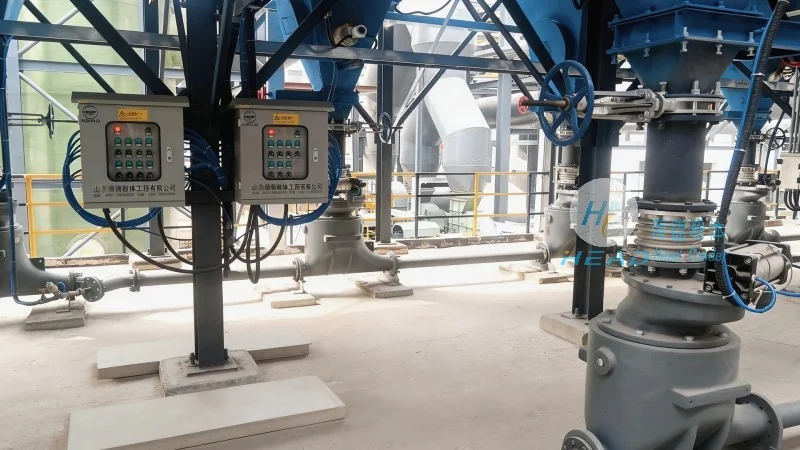
In the battery manufacturing sector, the efficient and safe transport of raw materials like lithium compounds, cathode and anode powders, and other additives is paramount to maintaining production efficiency and product quality. Powder material conveying systems are engineered to handle these fine, often abrasive materials with precision, ensuring minimal loss, contamination, and operational downtime. The systems typically integrate multiple components, including feeders, conveyors, control units, and safety mechanisms, all working in concert to achieve seamless material flow from storage to processing units.
Key Components of a Powder Conveying System
The core components of a typical powder conveying system for battery materials include bulk material feeders, pneumatic or mechanical conveyors, dust collection systems, and process control interfaces. Bulk feeders, such as rotary valves or screw feeders, regulate the flow rate of material from storage silos or hoppers into the conveying line. Pneumatic conveyors, utilizing air pressure to move powders through pipelines, offer flexibility in layout and the ability to handle materials over long distances. Mechanical conveyors, like belt or chain conveyors, are often employed for horizontal or inclined transport, providing reliable movement of bulk powders. Dust collection systems are integral to maintaining air quality and preventing material loss, while control units monitor and adjust parameters like pressure, flow rate, and temperature to optimize performance.
Operation Process of the Conveying System
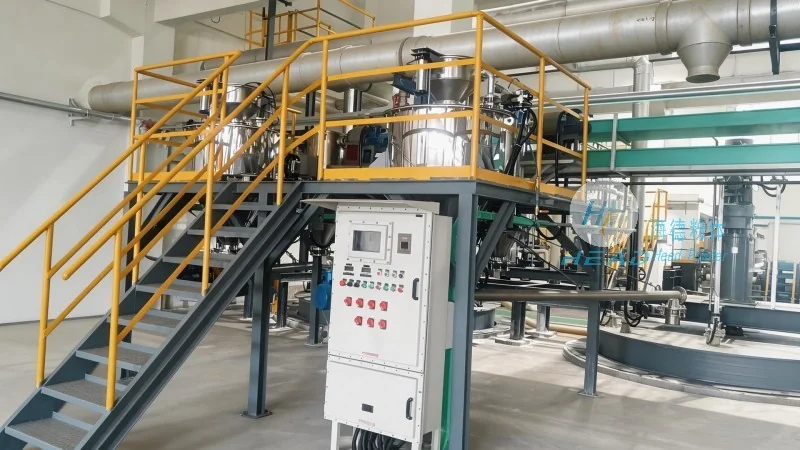
The operational process of a powder material conveying system for battery materials begins with material storage in bulk silos or hoppers. The system's control panel initiates the process by activating the feeder, which releases the material into the conveyor line. Depending on the system design, the material may be transported via pneumatic pressure or mechanical force. For pneumatic systems, compressed air is introduced into the pipeline, creating a flow that propels the powder particles forward. Mechanical systems utilize rotating components, such as belts or screws, to move the material along the conveyor path. As the material travels, it passes through any intermediate processing steps, such as blending or screening, before reaching the final destination, such as a mixing or coating unit. The system continuously monitors key parameters, including pressure, flow rate, and material level, to ensure stable operation and detect any anomalies that may require adjustment or maintenance.
Working Principle of Material Transport Mechanisms
The working principle of powder material transport in these systems revolves around the physics of particle movement and air or mechanical forces. In pneumatic conveying, the principle of fluid dynamics applies, where the velocity of the air stream exceeds the terminal velocity of the powder particles, allowing them to be suspended and carried through the pipeline. The pressure differential between the inlet and outlet of the system drives the material flow, with higher pressure at the feed point and lower pressure at the discharge point facilitating movement. Mechanical conveyors operate on the principle of continuous motion, where rotating components (e.g., screws, belts) exert a force on the material, pushing it along the conveyor path. The design of the conveyor components, including the pitch and speed of screws or the tension of belts, is critical to controlling the flow rate and preventing material degradation or blockages.
Control and Safety Features in the System
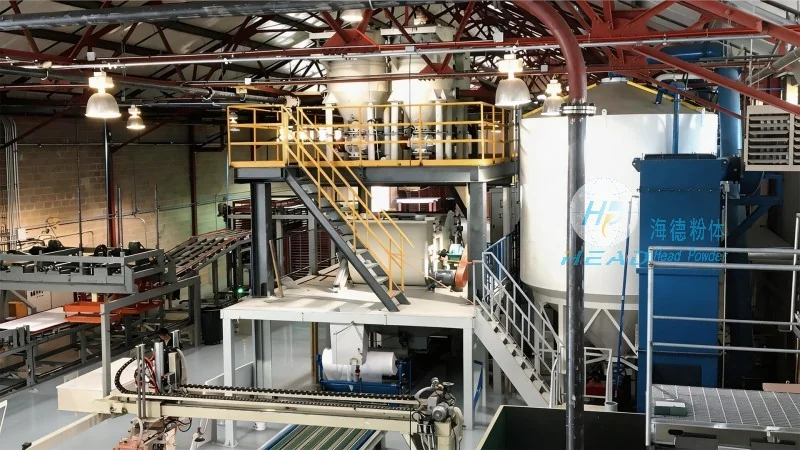
Advanced control systems are integral to modern powder conveying systems, enabling real-time monitoring and adjustment of operational parameters. Sensors and transmitters measure variables such as pressure, flow rate, temperature, and material level, feeding data to the control unit. The control unit processes this information and adjusts feeder speeds, air pressure, or conveyor speeds as needed to maintain optimal performance. Safety features are also paramount, including emergency stop buttons, overload protection, and dust explosion prevention measures. These features ensure the system operates within safe parameters and protect personnel and equipment from potential hazards associated with handling fine powders.
Applications in Battery Material Production
Powder material conveying systems are widely used in various stages of battery material production, including raw material handling, mixing, coating, and packaging. For example, in the production of lithium-ion battery cathodes, the system may transport cathode active material powders from storage to mixing equipment, where they are combined with binders and conductive agents. Similarly, anode materials are conveyed to coating lines, where they are applied to current collectors. The efficiency of the conveying system directly impacts the overall production throughput and quality of the final battery components. By ensuring consistent and reliable material flow, these systems contribute to higher yields and reduced waste in battery manufacturing processes.
Maintenance and Operational Considerations
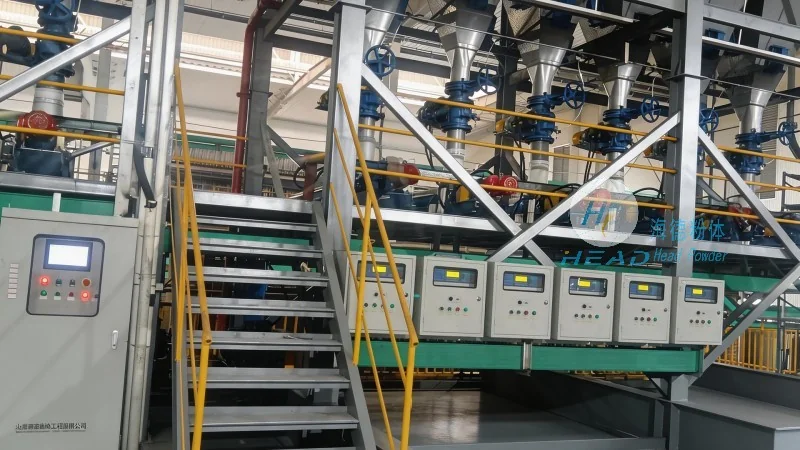
Regular maintenance is essential to ensure the long-term reliability and efficiency of powder conveying systems. This includes cleaning of conveyor components, replacement of worn parts, and inspection of pneumatic lines for leaks or blockages. Proper maintenance schedules, based on system usage and manufacturer recommendations, help prevent unexpected downtime and extend the lifespan of the equipment. Operational considerations also include material compatibility, as different powders may require adjustments to system parameters to avoid caking or agglomeration. Additionally, environmental factors, such as temperature and humidity, can affect material flow and system performance, necessitating appropriate control measures.
Conclusion
HeadPowder Engineering Co., Ltd., based in Shandong, China, specializes in the design and implementation of advanced powder material conveying systems tailored for the battery materials industry. These systems combine sophisticated engineering with robust components to ensure efficient, safe, and reliable transport of critical materials throughout the battery production process. By understanding the operational process and working principles of such systems, manufacturers can optimize their production lines, enhance product quality, and achieve higher operational efficiency. The integration of advanced control and safety features further ensures that these systems meet the stringent requirements of modern battery manufacturing, contributing to the overall success of battery material production.




