Understanding the operation process and working principle of titanium dioxide powder conveying is crucial for optimizing industrial applications, particularly in the production and handling of this widely used pigment. This article provides a detailed overview of the key components, mechanisms, and operational aspects involved in the efficient transport of titanium dioxide powder, ensuring reliable performance in various industrial settings. The information presented here is based on the expertise of Shandong HeadPowder Engineering Co., Ltd., a leading provider of powder handling solutions for industries requiring high-quality titanium dioxide processing.
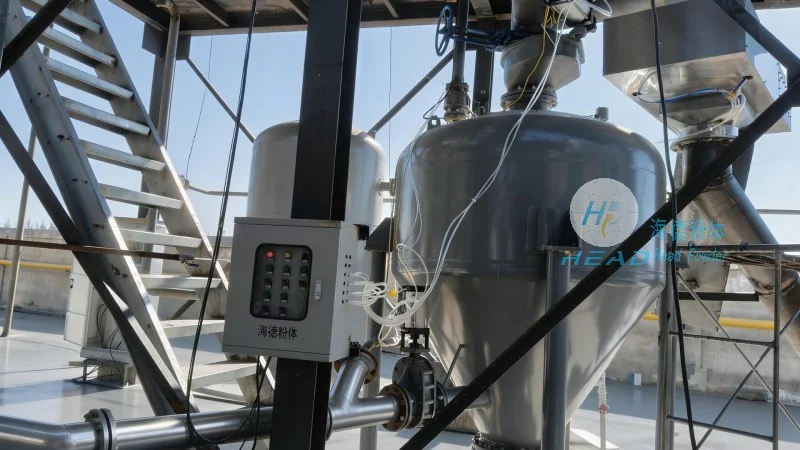
Introduction to Titanium Dioxide Powder Conveying
Titanium dioxide (TiO₂) is a critical raw material in numerous industries, including coatings, plastics, paper, and cosmetics, due to its high refractive index and excellent UV-blocking properties. The efficient and safe conveyance of TiO₂ powder is essential to maintain product quality, minimize material loss, and ensure consistent processing. Conveying systems for TiO₂ powder must address challenges such as dust generation, material agglomeration, and the need for precise control over flow rates. The following sections delve into the operational process and working principles that enable effective powder transport.
Key Components of Titanium Dioxide Powder Conveying Systems
Modern titanium dioxide powder conveying systems typically consist of several interconnected components designed to handle the unique characteristics of TiO₂ powder. These components work in synergy to ensure smooth and controlled transport. The primary components include:
1. Feeding Hoppers: These are used to store and feed the titanium dioxide powder into the conveying system. The hoppers are designed with smooth, non-stick surfaces to prevent powder buildup and ensure uniform feeding. They often incorporate level sensors to monitor powder levels and trigger feeding mechanisms when necessary.
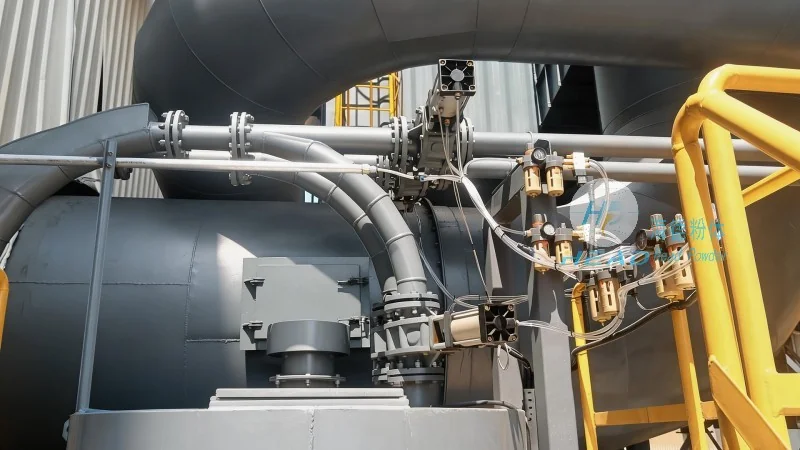
2. Pneumatic Conveying Lines: Pneumatic systems are commonly employed for TiO₂ powder transport due to their ability to handle fine powders without mechanical contact. These systems use compressed air to create a flow of powder through a network of pipes. The design of the conveying lines, including the diameter and length, is critical to maintain optimal air-powder ratios and prevent blockages.
3. Valves and Controls: Various types of valves, such as rotary valves and butterfly valves, are used to regulate the flow of powder and air. These components ensure precise control over the conveying rate and prevent backflow or over-pressurization. Advanced control systems may integrate sensors to monitor pressure, flow, and temperature, providing real-time adjustments for optimal performance.
4. Filtering and Dust Collection Systems: To maintain environmental compliance and worker safety, TiO₂ powder conveying systems incorporate filtration and dust collection equipment. These systems capture fine particles and prevent their release into the atmosphere. High-efficiency particulate air (HEPA) filters are often used to ensure that the exhaust air meets regulatory standards.
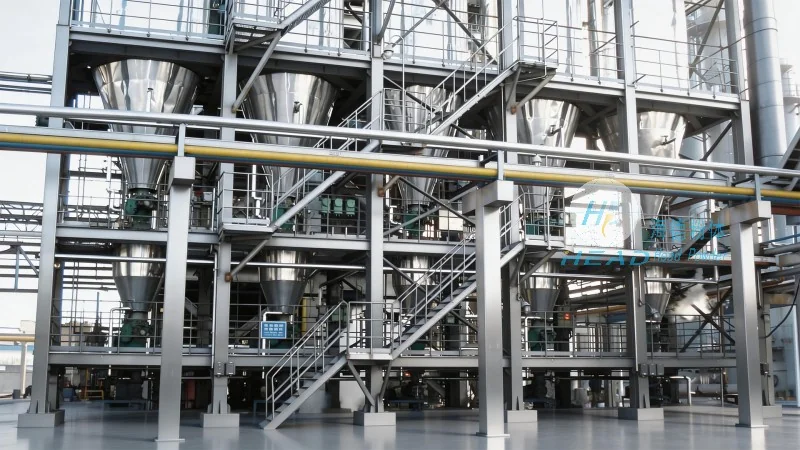
Operating Process of Titanium Dioxide Powder Conveying
The operation of a titanium dioxide powder conveying system follows a systematic sequence of steps to ensure efficient and safe transport. The process typically begins with the loading of TiO₂ powder into the feeding hopper. Once the hopper is filled, the feeding mechanism is activated, allowing the powder to enter the pneumatic conveying line.
Compressed air is then introduced into the conveying line, creating a flow that carries the TiO₂ powder through the system. The air-powder mixture travels through the pipes, with the velocity of the air being carefully controlled to maintain a stable suspension of the powder. As the mixture moves, it passes through various components, including valves and filters, which regulate and clean the flow.
The powder is then discharged into the receiving hopper or processing equipment at the end of the conveying line. The system continuously monitors parameters such as pressure, flow rate, and temperature to ensure that the conveying process remains within optimal operating conditions. Any deviations are automatically adjusted by the control system to prevent system failures or material loss.
Working Principle of Titanium Dioxide Powder Conveying
The working principle of titanium dioxide powder conveying is based on the fundamental principles of fluid dynamics and particle transport. The primary mechanism involves the use of compressed air to create a flow that suspends the TiO₂ powder particles and transports them through the system. This process relies on the balance between the air velocity and the particle size and density of the TiO₂ powder.
When compressed air is introduced into the conveying line, it creates a pressure differential that propels the powder forward. The air velocity must be sufficient to overcome the gravitational force acting on the powder particles and maintain them in a suspended state. If the air velocity is too low, the powder may settle and cause blockages; if it is too high, excessive energy consumption and potential damage to the system may occur.
The design of the conveying line, including the diameter and length, plays a critical role in achieving the optimal air-powder ratio. Longer or narrower lines may require higher air velocities to maintain suspension, while shorter or wider lines can operate with lower velocities. The use of bends and elbows in the system also affects the flow characteristics, and proper design is essential to minimize pressure losses and prevent turbulence that could lead to particle separation.
Challenges and Solutions in Titanium Dioxide Powder Conveying
Conveying titanium dioxide powder presents several challenges that must be addressed to ensure reliable operation. One of the primary challenges is the tendency of TiO₂ powder to agglomerate, which can lead to blockages in the conveying system. To mitigate this, anti-agglomeration measures such as the addition of anti-caking agents or the use of vibration devices may be employed.
Another challenge is the generation of dust and fine particles, which can affect air quality and worker safety. Effective dust collection systems, as mentioned earlier, are essential to capture these particles and prevent their release. Additionally, the abrasive nature of TiO₂ powder can cause wear on system components, requiring the use of durable materials and regular maintenance to extend the system's lifespan.
Temperature control is also a critical factor, as high temperatures can affect the properties of TiO₂ powder and the performance of the conveying system. Proper insulation and temperature monitoring are necessary to maintain optimal operating conditions.
Applications and Benefits of Titanium Dioxide Powder Conveying
The efficient conveyance of titanium dioxide powder is vital in various industrial applications. In the coatings industry, for example, precise control over the powder flow is essential to achieve consistent pigment dispersion and color quality. In the plastics industry, uniform TiO₂ distribution improves the mechanical and optical properties of the final product. The ability to handle large volumes of TiO₂ powder efficiently reduces processing time and material costs, contributing to overall operational efficiency.
Furthermore, modern conveying systems offer advantages such as reduced labor costs, improved safety through enclosed systems, and enhanced environmental compliance. The use of automated control systems allows for real-time monitoring and adjustment, minimizing the risk of human error and ensuring consistent performance.
Conclusion
In conclusion, the operation process and working principle of titanium dioxide powder conveying are complex yet essential for the efficient handling of this critical material. By understanding the key components, operational steps, and underlying principles, industrial facilities can optimize their conveying systems to achieve reliable, safe, and cost-effective transport of TiO₂ powder. The integration of advanced control systems and dust collection technologies further enhances the performance and sustainability of these systems, ensuring they meet the demands of modern industrial applications.




