

Operation Process and Working Principle of Intermittent Feeding Powder Material Handling System
HeadPowder, a leading engineering company based in Shandong, China, specializes in the design and implementation of advanced powder handling solutions. This article provides a detailed exploration of the operation process and working principle of an intermittent feeding powder material handling system, highlighting its key components, operational sequence, and technical advantages.
Company Overview and Expertise
HeadPowder Engineering Co., Ltd. is a reputable enterprise dedicated to providing innovative solutions for powder handling and material transport. With a focus on precision engineering and customer-centric design, the company has established itself as a trusted partner in the industry. HeadPowder’s expertise lies in developing systems that enhance efficiency, safety, and reliability in powder processing applications.
Key Components of the Intermittent Feeding System
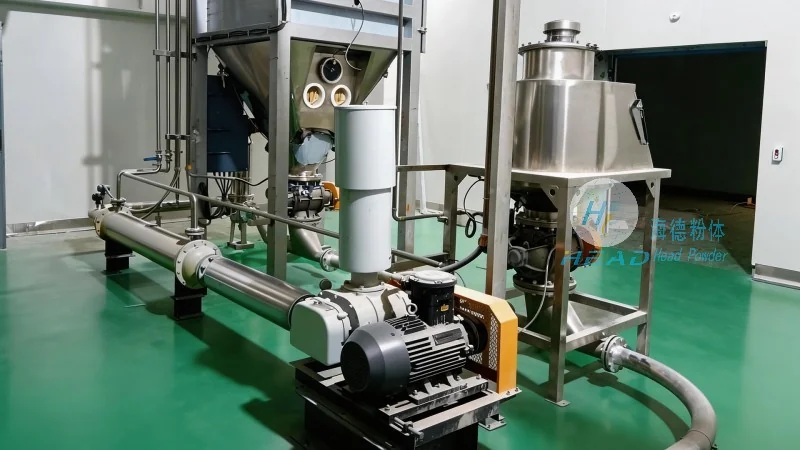
The intermittent feeding powder material handling system comprises several critical components that work in concert to ensure smooth and controlled material transport. These components include a hopper for material storage, a feeder mechanism (such as a screw or rotary valve) for controlled discharge, a conveyor system (like a pneumatic or mechanical conveyor) for transporting the powder, and a control unit that regulates the entire process. Each component is engineered to handle the specific characteristics of the powder, such as particle size, moisture content, and flowability, ensuring optimal performance.
Operation Process: Step-by-Step Overview
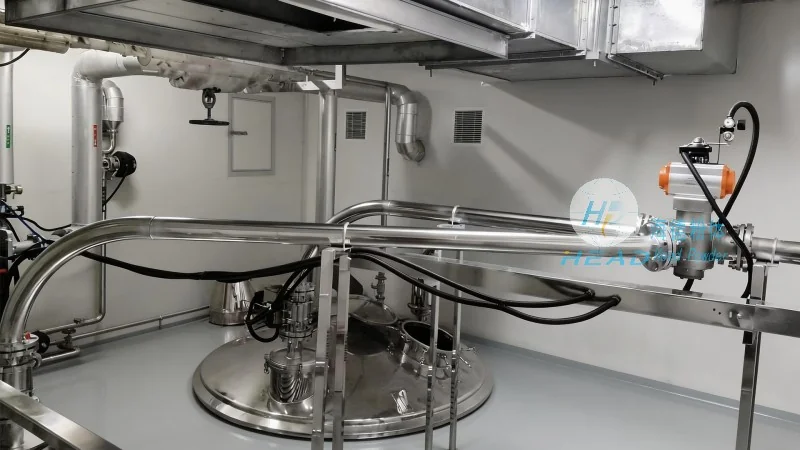
The operation of the intermittent feeding system follows a systematic sequence that ensures precise material delivery. The process begins with the loading of the hopper with the powder material. The control unit then activates the feeder, which gradually releases the powder into the conveyor system. The conveyor transports the powder to the desired destination, such as a processing unit or storage container. The system operates in intermittent cycles, meaning the feeder and conveyor are activated for a set period, followed by a pause to allow for system reset or preparation for the next batch. This cycle repeats as needed, maintaining consistent material flow and minimizing downtime.
Working Principle: How the System Functions
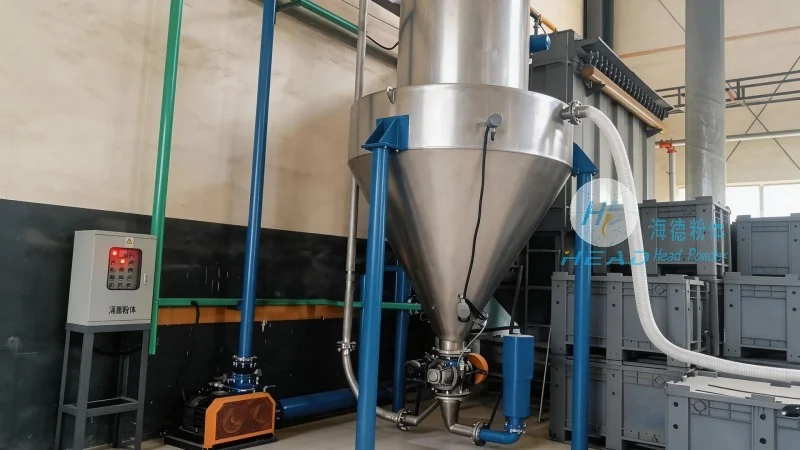
The working principle of the intermittent feeding system is based on the controlled release of powder from the hopper and its subsequent transport through the conveyor. The feeder mechanism, typically a screw or rotary valve, rotates at a controlled speed to regulate the amount of powder discharged. This controlled discharge ensures that the conveyor receives a steady, manageable flow of material, preventing overloading or blockages. The conveyor system, whether pneumatic or mechanical, uses air pressure or mechanical force to move the powder along the designated path. The control unit monitors the system parameters, such as pressure, flow rate, and material level, and adjusts the feeder speed or conveyor operation accordingly to maintain optimal performance. This closed-loop control system ensures that the system operates efficiently and safely, adapting to changes in material characteristics or operational conditions.
Technical Advantages and Applications
The intermittent feeding powder material handling system offers several technical advantages that make it suitable for a wide range of industrial applications. These advantages include precise control over material flow, reduced risk of dust generation and material loss, and improved safety due to the enclosed system design. The system is particularly effective for handling fine powders, bulk materials, and materials with varying flow properties. Industries that benefit from this technology include pharmaceuticals, food processing, chemical manufacturing, and mining, where consistent and reliable material transport is critical for production efficiency and product quality.