Efficient and reliable powder conveying systems are crucial for the production of lithium-ion battery positive electrode materials. The process of transporting these fine powders from one stage to another within a manufacturing facility involves several key steps and principles that ensure consistent quality and high throughput. This article provides an overview of the operation process and working principle of such systems, highlighting the importance of each component in achieving optimal performance.
Introduction to Powder Conveying in Lithium-Ion Battery Production
Shandong HeadPowder Engineering Co., Ltd., a leading provider in the field, specializes in the design and implementation of advanced powder handling solutions tailored for the battery industry. The company's expertise lies in understanding the unique challenges associated with handling fine powders, such as lithium cobalt oxide, lithium iron phosphate, and other cathode materials. These materials are sensitive to moisture, contamination, and agglomeration, making the conveying process a critical step in maintaining product integrity.
The Core Components and Their Roles
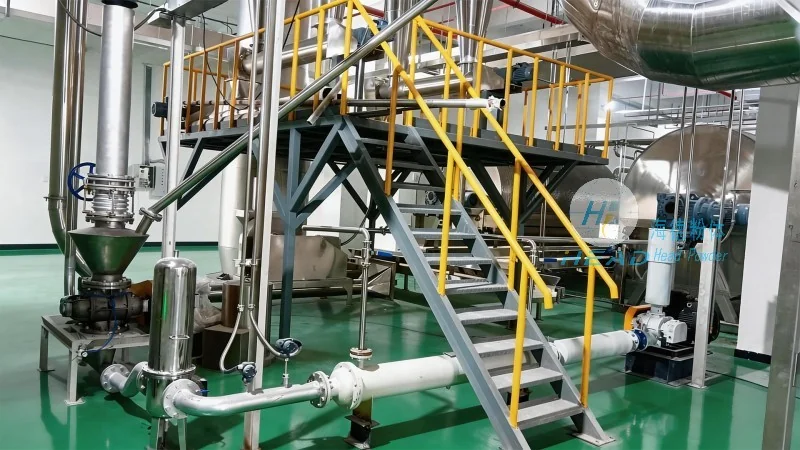
The powder conveying system typically consists of several interconnected components, each playing a vital role in the overall operation. The primary components include feeders, conveyors, and control systems. Feeders are responsible for accurately metering the powder flow, ensuring a consistent feed rate to the conveyor. Common types of feeders used include rotary valves, screw feeders, and vibratory feeders, which are selected based on the material's properties and the required flow rate.
Conveyors, on the other hand, transport the powder from the feeder to the next processing stage. There are various types of conveyors suitable for fine powders, including pneumatic conveyors, belt conveyors, and screw conveyors. Pneumatic conveyors, for instance, use air pressure to move the powder through a pipeline, which is ideal for handling materials that are prone to dust or require a closed system to prevent contamination. Belt conveyors are often used for bulkier materials or when a more open system is preferred, while screw conveyors are effective for vertical or inclined transport.
Operation Process: Step-by-Step Overview
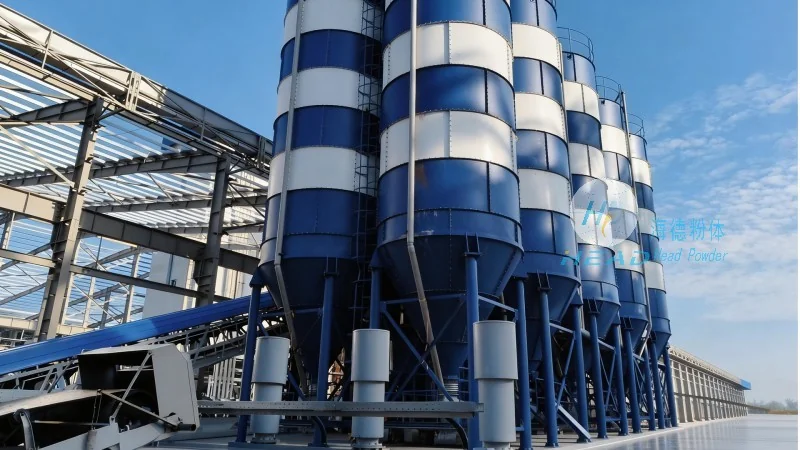
The operation of a powder conveying system for lithium-ion battery positive electrode materials generally follows a standardized sequence. The process begins with the material being stored in a silo or hopper. From there, the material is fed into a feeder, which regulates the flow rate. The feeder then delivers the powder to the conveyor, which transports it to the next processing unit, such as a mixer or a coating machine. Throughout this process, the system is monitored by a control panel that adjusts parameters like air pressure, feed rate, and conveyor speed to maintain optimal performance.
During the conveying process, it is essential to maintain the material's moisture content and prevent agglomeration. This is achieved through proper sealing of the system, use of anti-static measures, and regular cleaning of components to avoid clogging. The control system also includes sensors that detect any blockages or deviations in the flow, triggering alarms or automatic shutdowns to prevent damage to equipment or product loss.
Working Principle: How the System Functions
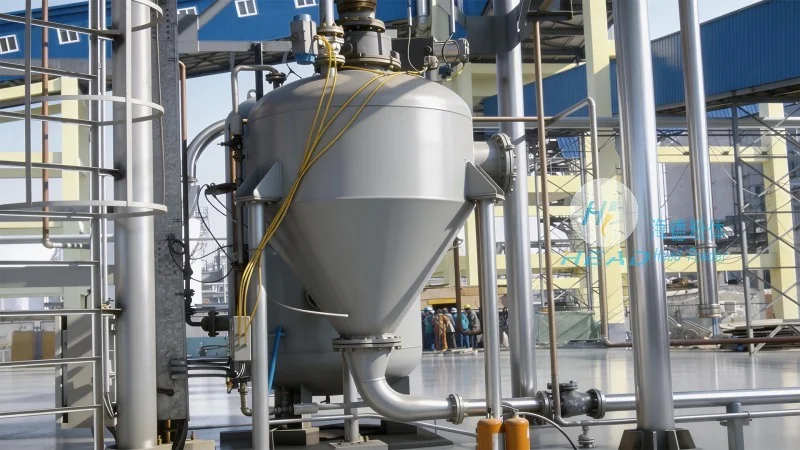
The working principle of a powder conveying system is based on the transfer of material from a source to a destination using mechanical or pneumatic forces. In a pneumatic conveying system, for example, the material is suspended in a stream of air and carried through the pipeline. The air pressure is maintained at a level sufficient to overcome the resistance of the material and the pipeline, ensuring smooth transport. The system's efficiency depends on factors such as the material's density, particle size, and moisture content, as well as the design of the conveyor and the control parameters.
For screw conveyors, the principle is based on the rotation of a screw within a tube, which pushes the material forward. The speed of the screw and the pitch of the threads determine the conveying capacity. Vertical screw conveyors are particularly useful for transporting materials over significant vertical distances, as they can handle the material's weight and maintain a consistent flow. The system's design must consider the material's abrasiveness and the need for wear-resistant components to ensure long-term durability.
Key Considerations for Optimal Performance
Several factors contribute to the optimal performance of a powder conveying system for lithium-ion battery materials. First, the system must be designed to minimize product degradation, which can occur due to friction, impact, or exposure to air. This is achieved through the use of smooth, non-stick surfaces and gentle handling mechanisms. Second, the system should be easy to clean and maintain to prevent cross-contamination between batches. Regular maintenance, including cleaning of feeders, conveyors, and silos, is essential to ensure consistent product quality.
Third, the system's control system must be robust and user-friendly, allowing operators to monitor and adjust parameters in real-time. This includes features such as data logging, alarm systems, and remote access for troubleshooting. The control system should also be integrated with other production equipment to ensure seamless operation and minimize downtime. Finally, the system must comply with safety regulations, particularly regarding the handling of fine powders, which can be a fire or explosion hazard if not managed properly.
Conclusion
In conclusion, the operation process and working principle of powder conveying for lithium-ion battery positive electrode materials are critical to the success of battery manufacturing. The system's design and implementation must consider the unique properties of the materials, the need for consistent quality, and the importance of safety. Shandong HeadPowder Engineering Co., Ltd. provides comprehensive solutions that address these challenges, ensuring that manufacturers can achieve high efficiency and product integrity in their production processes.




