

Operation Process and Working Principle of Lightweight Aggregate Powder Conveying
Lightweight aggregate powder conveying systems are essential in modern industrial applications, particularly in the construction and material processing sectors. These systems are designed to efficiently transport lightweight aggregate powders, which are crucial for various building materials and industrial products. The operation process and working principle of such systems involve sophisticated engineering to ensure reliable and consistent material handling. This article provides a detailed overview of how these systems function, focusing on the key components and operational mechanisms that enable efficient powder transport. Shandong HeadPowder Engineering Co., Ltd., a leading manufacturer of powder conveying systems, specializes in providing solutions for lightweight aggregate powder transport, ensuring high-quality and reliable performance for industrial clients.
Key Components of Lightweight Aggregate Powder Conveying Systems
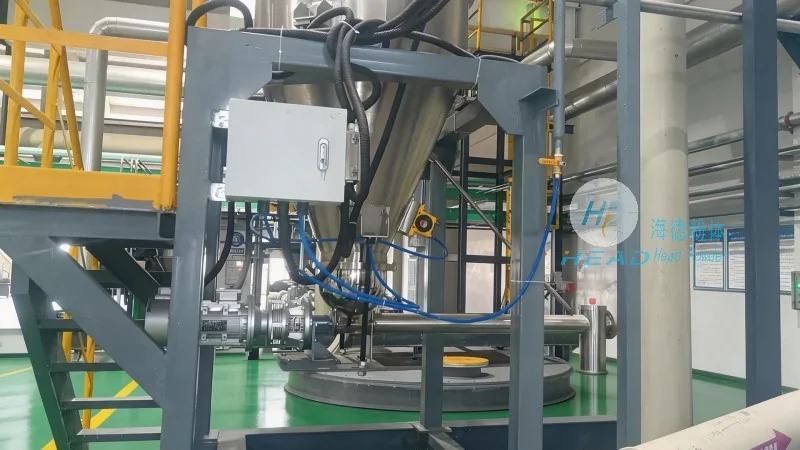
The core components of a lightweight aggregate powder conveying system typically include a hopper for material storage, a feeding mechanism to control the flow of powder, a conveying device (such as a screw conveyor, pneumatic conveyor, or belt conveyor), and a control system for monitoring and adjusting the process. The hopper is designed to hold the lightweight aggregate powder, ensuring a stable supply to the feeding section. The feeding mechanism, often a rotary valve or a feeder, regulates the amount of powder released into the conveying system, preventing overloading or underfeeding. The conveying device is the heart of the system, responsible for moving the powder from the source to the destination. For lightweight aggregates, pneumatic conveying systems are commonly used due to their ability to handle fine powders and minimize dust emissions. These systems use air pressure to transport the powder through a pipeline, ensuring a smooth and continuous flow.
Operation Process of Lightweight Aggregate Powder Conveying
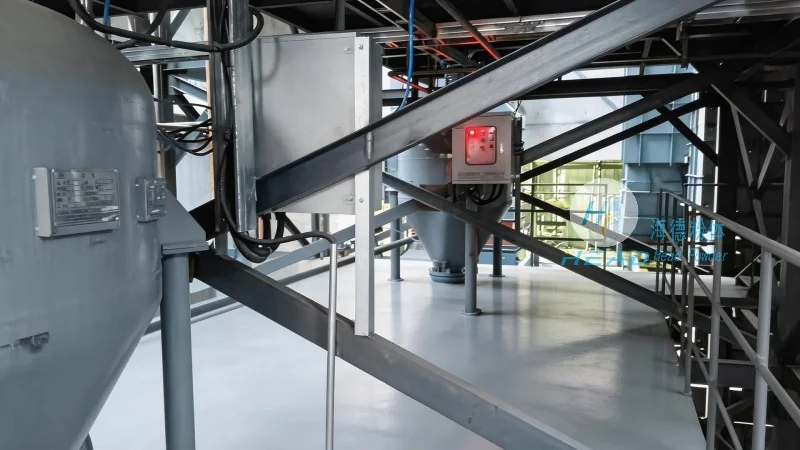
The operation process of a lightweight aggregate powder conveying system begins with the loading of the lightweight aggregate powder into the hopper. The powder is then fed into the conveying device under controlled conditions. In a pneumatic conveying system, the powder is mixed with air and propelled through the pipeline by a blower or compressor. The air flow rate is carefully managed to maintain the desired velocity, ensuring that the powder particles are suspended and transported without clogging the system. The conveying process continues until the powder reaches the discharge point, where it is collected in a receiving hopper or directly into a processing unit. The entire operation is monitored by a control system that adjusts parameters such as air pressure, feeding rate, and conveyor speed to maintain optimal performance. This ensures that the system operates efficiently, minimizing downtime and maximizing productivity.
Working Principle of Lightweight Aggregate Powder Conveying Systems
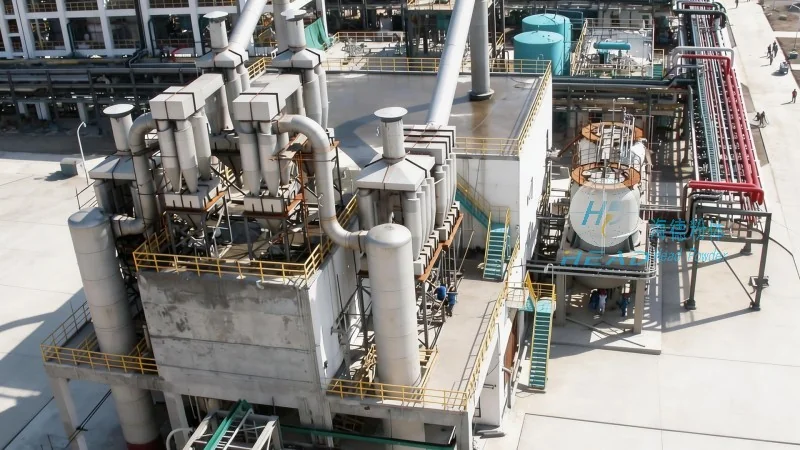
The working principle of lightweight aggregate powder conveying systems is based on the principles of fluid dynamics and material handling. In pneumatic conveying systems, the powder is transported by a stream of air, which creates a low-pressure zone that draws the powder particles into the pipeline. The air and powder mixture moves through the pipeline, with the air providing the necessary force to overcome friction and gravity. The velocity of the air is critical; it must be high enough to keep the powder particles suspended but not so high as to cause excessive wear on the system components or increase energy consumption. The system also includes a separation or filtration unit at the discharge end to remove excess air and any fine particles that may have escaped the conveying process. This ensures that the delivered powder is clean and free from contaminants, meeting the quality standards required for industrial applications.
Benefits and Applications of Lightweight Aggregate Powder Conveying
Lightweight aggregate powder conveying systems offer several benefits, including high efficiency, low maintenance, and the ability to handle fine powders with minimal dust. These systems are widely used in the production of lightweight concrete, insulation materials, and other construction products. The efficient transport of lightweight aggregates ensures that production lines operate smoothly, reducing material waste and improving overall productivity. Additionally, the systems are designed to be compact and adaptable, making them suitable for various industrial settings, from small-scale manufacturing to large-scale production facilities. The use of pneumatic conveying, in particular, provides a dust-free environment, which is crucial for maintaining workplace safety and compliance with environmental regulations.
Conclusion
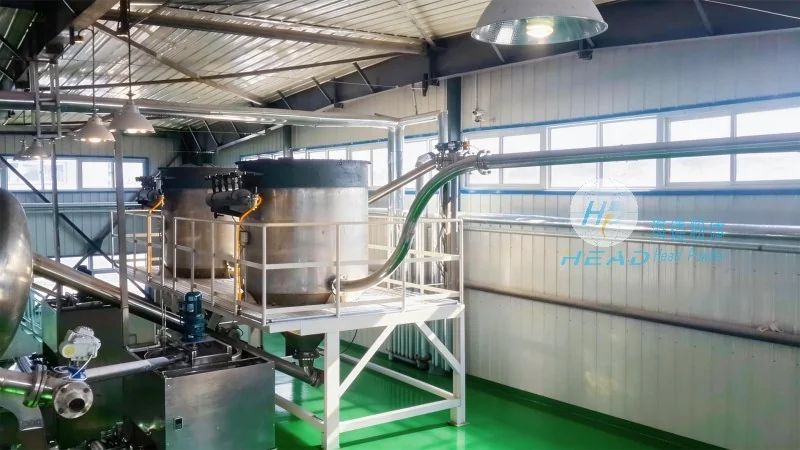
In conclusion, lightweight aggregate powder conveying systems are vital for the efficient handling of lightweight aggregate powders in industrial applications. The operation process involves careful control of material flow and air pressure, while the working principle relies on fluid dynamics to ensure reliable transport. By understanding the key components and operational mechanisms, industries can optimize their material handling processes, improving productivity and maintaining product quality. As demand for lightweight construction materials continues to grow, the importance of efficient powder conveying systems will only increase, making them an essential part of modern industrial operations.