Regenerated sand powder conveying systems are specialized equipment used in industrial settings to transport fine powders, particularly in foundry and casting applications. These systems are designed to handle the unique properties of regenerated sand, which is a recycled material derived from the reclamation of used foundry sand. The efficient operation of such systems is crucial for maintaining production efficiency and minimizing material waste in manufacturing processes.
Understanding the Core Components of a Regenerated Sand Powder Conveying System
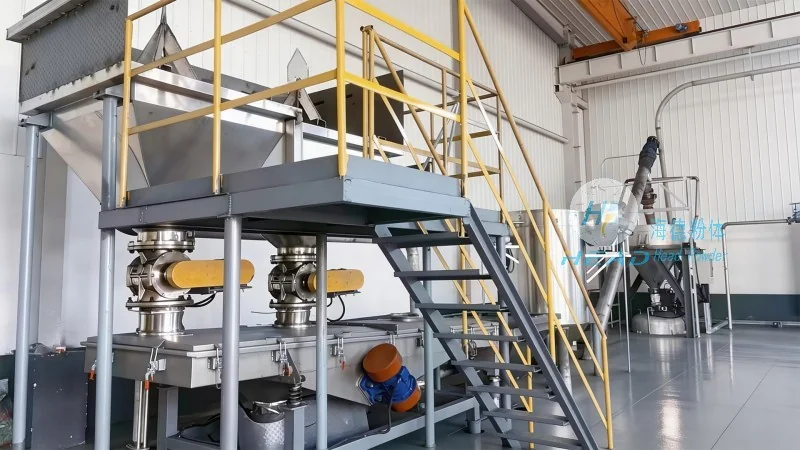
A typical regenerated sand powder conveying system consists of several key components that work in tandem to ensure smooth material transport. The primary components include a hopper for material storage, a feeder mechanism to control the flow rate, a conveying device (such as a screw conveyor, pneumatic conveyor, or air slide), and a control system for operation. Each component plays a vital role in the overall functionality of the system, and their design must be optimized to handle the abrasive and fine nature of regenerated sand.
The Role of HeadPowder in Designing Efficient Conveying Solutions
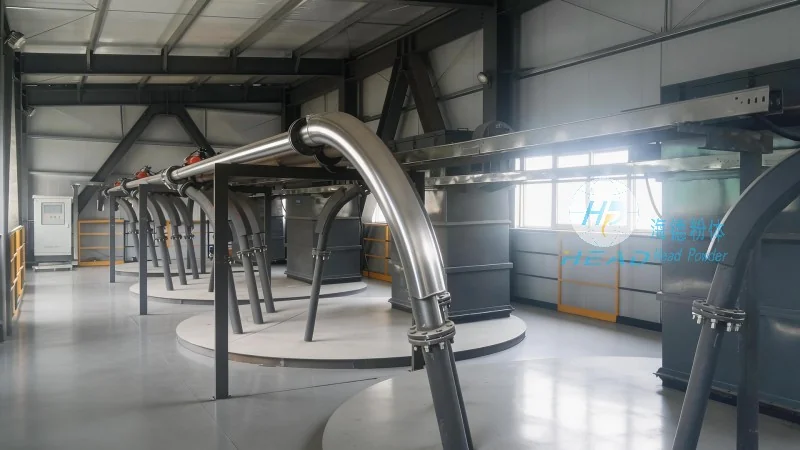
Shandong HeadPowder Engineering Co., Ltd., a leading manufacturer based in China, specializes in the design and production of advanced powder handling equipment. With years of experience in the industry, HeadPowder has developed innovative solutions tailored to the specific needs of foundry and casting operations. The company's expertise lies in understanding the challenges associated with transporting regenerated sand, such as dust generation, material segregation, and equipment wear, and providing customized solutions to address these issues.
Design Principles for Optimal Performance
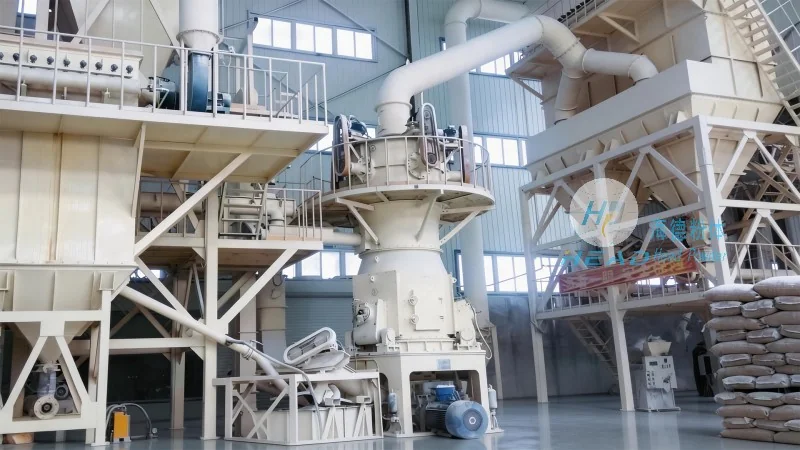
The design principles of a regenerated sand powder conveying system focus on several critical factors to ensure reliable and efficient operation. First, the system must be capable of handling the high moisture content and abrasive properties of regenerated sand without causing excessive wear on components. This often involves the use of high-quality materials, such as stainless steel or specialized alloys, for the hopper, feeder, and conveying elements. Second, the system should minimize dust generation to maintain a clean and safe working environment. This can be achieved through the incorporation of dust collection systems and proper sealing of the conveying path. Third, the control system must allow for precise regulation of the material flow rate, ensuring consistent and uniform delivery to downstream processes. Finally, the overall design should prioritize energy efficiency and low maintenance requirements to reduce operational costs.
Applications and Benefits of Regenerated Sand Powder Conveying Systems
Regenerated sand powder conveying systems are widely used in various industrial applications, particularly in the foundry industry. These systems are essential for the efficient transport of sand from storage to molding and casting lines. The benefits of using such systems include improved production efficiency, reduced material waste, and enhanced safety in the workplace. By ensuring a consistent and controlled flow of regenerated sand, these systems help to maintain the quality of the final product and minimize downtime due to equipment failures.
Conclusion: The Importance of Advanced Conveying Technology
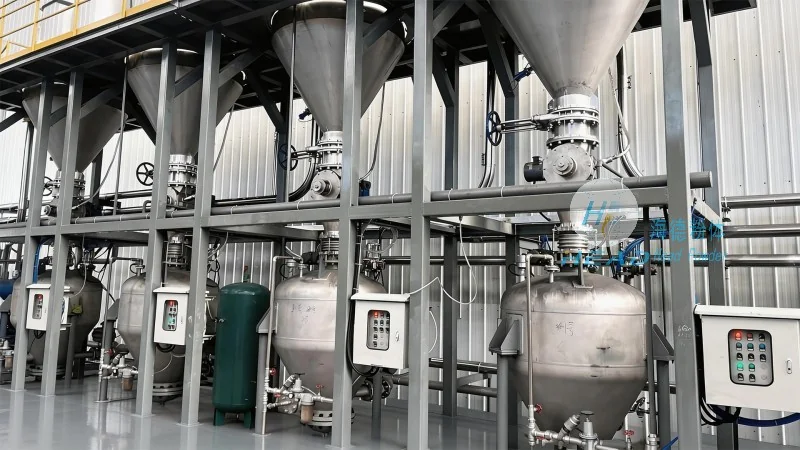
In conclusion, regenerated sand powder conveying systems are a critical component of modern manufacturing processes, particularly in foundry and casting operations. The design principles behind these systems are carefully considered to address the unique challenges of handling recycled sand materials. Companies like Shandong HeadPowder Engineering Co., Ltd. play a vital role in providing advanced and reliable solutions that meet the demands of industrial applications. By investing in efficient conveying systems, manufacturers can improve their operational efficiency, reduce costs, and enhance the overall quality of their products.




