

What is a Wood Fiber Powder Conveying Equipment? And What Are Its Design Principles?
Welcome to Shandong HeadPowder Engineering Co., Ltd., a leading manufacturer specializing in advanced powder handling solutions. In this article, we will explore the world of wood fiber powder conveying equipment, focusing on its essential functions and the underlying design principles that make it an efficient and reliable choice for various industrial applications.
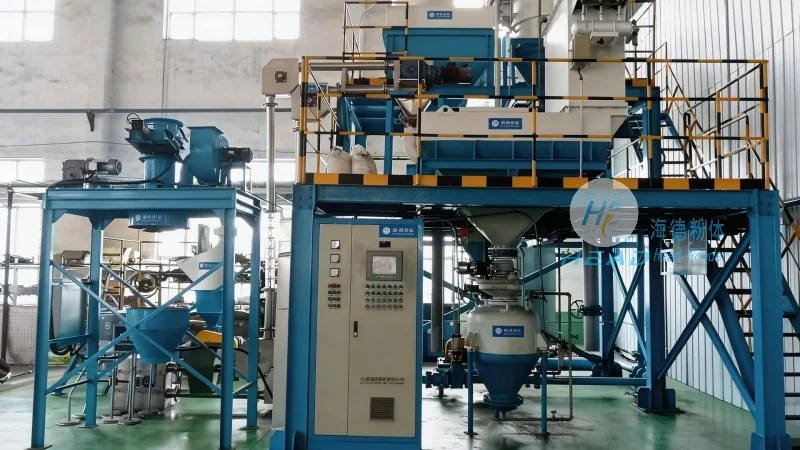
Understanding the Role of Wood Fiber Powder Conveying Equipment
Wood fiber powder, derived from natural wood sources, is widely used in industries such as paper manufacturing, composite materials, and insulation products. The efficient transport of this material from one processing stage to another is crucial for maintaining production efficiency and product quality. A specialized conveying system is therefore essential to handle the unique properties of wood fiber powder, which can be abrasive, lightweight, and prone to bridging or caking in traditional handling methods.
Key Design Principles for Effective Conveying
The design of a wood fiber powder conveying equipment is based on several critical principles to ensure optimal performance. First, the system must address the material's flow characteristics. Wood fiber powders often exhibit poor flowability due to their fibrous nature, which can lead to uneven distribution and blockages. Therefore, equipment like screw conveyors, pneumatic conveyors, or belt conveyors with specialized components is employed to promote consistent flow and prevent material degradation.
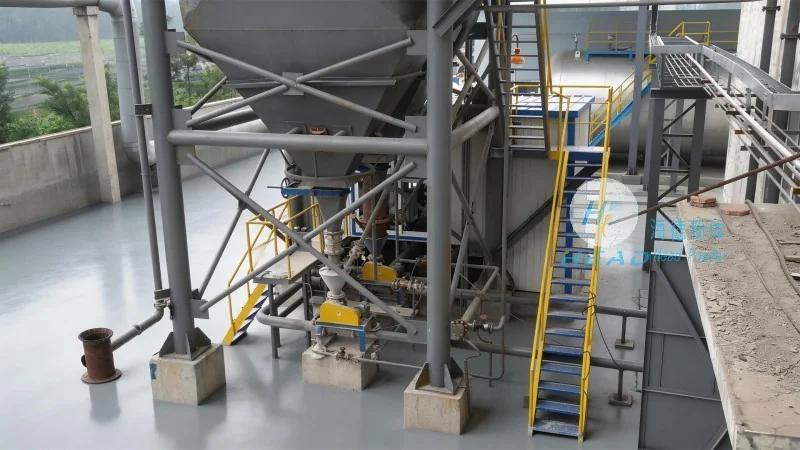
Second, the equipment must consider the mechanical properties of wood fiber. These materials can be abrasive, requiring robust construction to withstand wear and tear. High-quality materials, such as stainless steel or specialized alloys, are typically used for the conveyor components to ensure durability and longevity. Additionally, the design incorporates features like smooth surfaces and rounded edges to minimize friction and prevent fiber damage.
Components and Operational Mechanisms
A typical wood fiber powder conveying system consists of several key components working in tandem. The feed hopper is designed to collect and store the wood fiber powder, ensuring a consistent supply to the conveyor. The conveyor itself, whether mechanical or pneumatic, transports the material through a pipeline or enclosed channel. For pneumatic systems, air pressure is used to move the powder, while mechanical systems rely on rotating screws or belts.
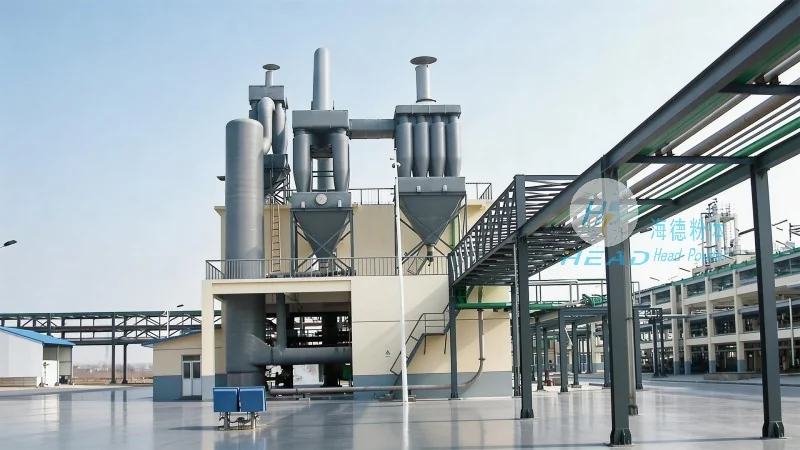
One of the most critical components is the discharge mechanism, which ensures the material is released smoothly without causing blockages or spillage. The system may also include a control panel that monitors flow rates, pressure, and other operational parameters, allowing for real-time adjustments to maintain optimal performance. This integration of components ensures that the conveying process is both efficient and safe.
Applications and Industry Impact
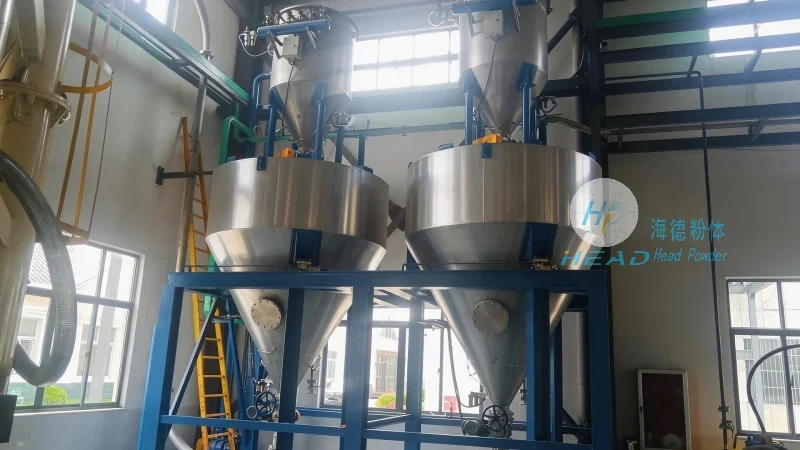
Wood fiber powder conveying equipment plays a vital role in various industrial processes. In the paper industry, it is used to transport raw wood fibers to the pulping and papermaking stages. In composite manufacturing, it facilitates the mixing of wood fibers with other materials to create lightweight and durable products. The equipment's ability to handle fibrous materials efficiently contributes to improved production throughput and reduced downtime, ultimately enhancing overall operational efficiency.
Conclusion and Company Overview
Shandong HeadPowder Engineering Co., Ltd. specializes in developing and manufacturing high-quality wood fiber powder conveying equipment tailored to meet the specific needs of industrial clients. With a focus on robust design, efficient operation, and durability, our products help businesses optimize their powder handling processes. Based in Shandong, China, we leverage our expertise to deliver reliable solutions that enhance productivity and ensure the quality of wood fiber-based products. Contact us to learn more about how our conveying equipment can improve your industrial operations.