

Operating Process and Working Principle of Ferrous Sulfate Powder Conveying
For industrial applications involving the handling of ferrous sulfate powder, understanding the operational process and working principles of powder conveying systems is crucial. This article provides a detailed overview of how ferrous sulfate powder is efficiently transported, highlighting key components, mechanisms, and operational considerations.
Introduction to Ferrous Sulfate Powder Conveying Systems
Ferrous sulfate, commonly used in water treatment, agriculture, and chemical manufacturing, is often handled as a fine powder. Efficient and reliable powder conveying is essential to maintain product quality, ensure safety, and optimize production efficiency. The systems designed for ferrous sulfate powder conveyance typically involve a combination of mechanical and pneumatic components, tailored to the specific characteristics of the material.
Key Components of Ferrous Sulfate Powder Conveying Systems
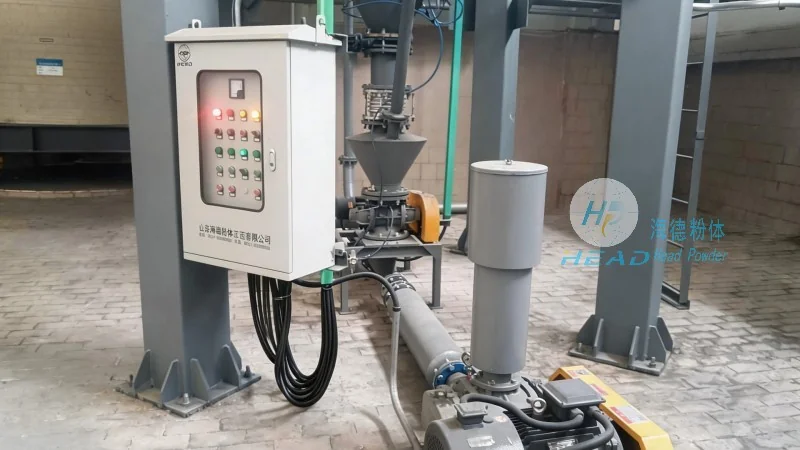
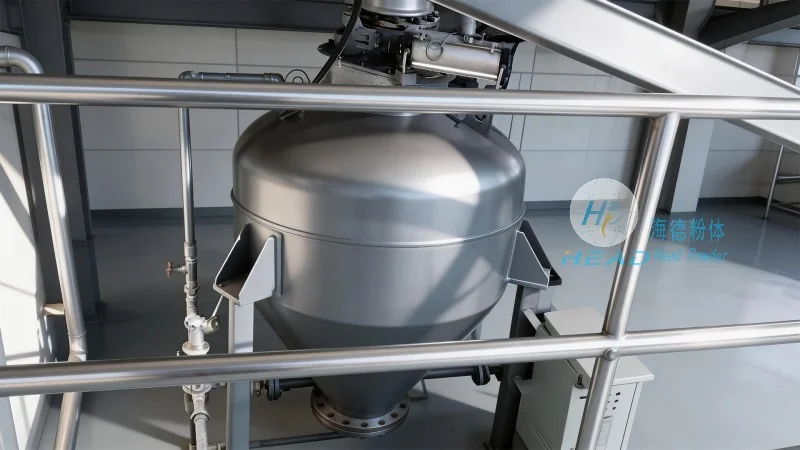
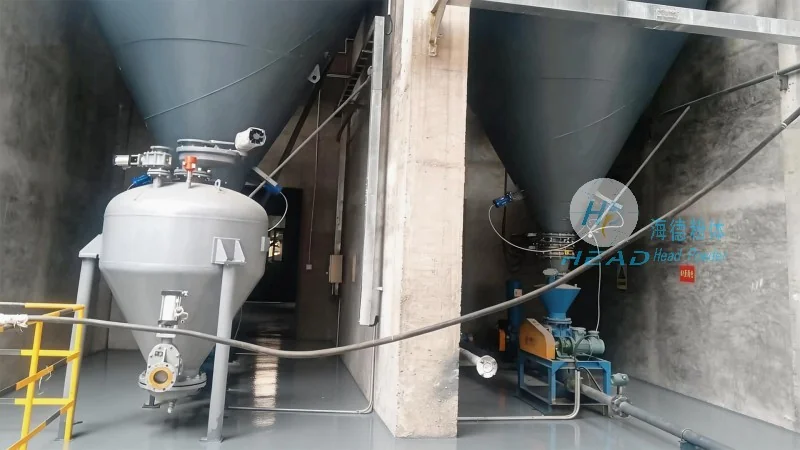
The core components of a ferrous sulfate powder conveying system include the hopper or storage silo, feeding equipment, conveying mechanism (such as screw conveyors, pneumatic conveyors, or bucket elevators), and control systems. Each component plays a vital role in the overall operation. The hopper is responsible for storing the bulk material, while the feeding equipment ensures a consistent and controlled flow of powder into the conveying system. The conveying mechanism then transports the powder to the desired destination, such as a processing unit or storage area.
Operating Process of Ferrous Sulfate Powder Conveying
The operational process of ferrous sulfate powder conveying begins with material loading into the hopper. Once the hopper is filled, the feeding device (e.g., a rotary valve or feeder) regulates the flow of powder into the conveying line. Depending on the system design, the powder may be moved via mechanical means (like screw conveyors) or through pneumatic pressure (using air or other gases). In pneumatic conveying systems, the powder is suspended in a gas stream and transported through pipes. The speed and pressure of the gas are carefully controlled to prevent material degradation, blockages, or excessive wear on system components.
Working Principle of Ferrous Sulfate Powder Conveying
The working principle of ferrous sulfate powder conveying is based on the principles of fluidization and particle movement. In mechanical conveying systems, the screw or auger rotates, pushing the powder forward through the conveyor. The pitch and speed of the screw determine the capacity and pressure drop. In pneumatic systems, the gas flow creates a drag force that lifts and transports the powder particles. The balance between gas velocity and particle size is critical to avoid deposition or clogging. Additionally, the system may incorporate features like airlocks, cyclones, or filters to separate the conveyed powder from the gas stream, ensuring clean and efficient operation.
Operational Considerations and Best Practices
Several factors must be considered to ensure the efficient and safe operation of ferrous sulfate powder conveying systems. First, the material's properties, such as particle size distribution, moisture content, and flowability, significantly impact system performance. Proper material conditioning (e.g., drying or blending) may be required to improve flow characteristics. Second, regular maintenance is essential to prevent wear and tear on components, which can lead to system downtime or product contamination. This includes inspecting and replacing worn parts, cleaning system components, and checking for leaks or blockages. Third, safety measures, such as dust suppression systems and proper ventilation, are critical to protect personnel and comply with environmental regulations. Implementing these best practices helps maintain system reliability and product quality.
Conclusion
Understanding the operating process and working principles of ferrous sulfate powder conveying systems is essential for optimizing industrial processes. By selecting the appropriate components and following best practices, manufacturers can ensure efficient, safe, and reliable handling of ferrous sulfate powder. The systems designed by Shandong HeadPowder Engineering Co., Ltd. leverage advanced technology and engineering expertise to meet the specific needs of ferrous sulfate powder applications, providing solutions that enhance productivity and product quality.