

Operation Process and Working Principle of Zircon Sand Powder Conveying
HeadPowder, a leading provider in the field of powder handling solutions, specializes in the efficient and reliable conveyance of zircon sand powder. This article delves into the operational process and underlying working principles of zircon sand powder conveying systems, highlighting the technical aspects and practical applications that ensure optimal performance in industrial settings.
Company Profile and Contact Information
HeadPowder, the professional brand behind advanced powder conveying technologies, operates under the full name Shandong HeadPowder Engineering Co., Ltd. Based in Shandong, China, the company is dedicated to delivering high-quality solutions tailored to the unique needs of clients in various industries. With a focus on innovation and precision, HeadPowder has established itself as a trusted partner for powder handling systems, particularly in the processing of zircon sand and other fine powders.
Understanding Zircon Sand Powder Conveying Systems
Zircon sand, a critical raw material in many industrial applications, requires specialized handling due to its fine particle size and abrasive properties. The conveying of zircon sand powder involves a series of steps designed to ensure material is transported safely, efficiently, and without degradation. This process is integral to the overall production workflow, from raw material storage to processing and packaging.
The Working Principle of Zircon Sand Powder Conveying
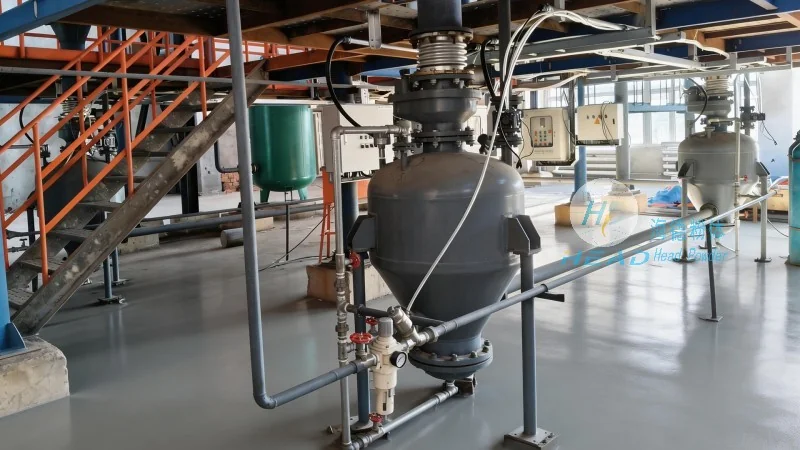
The core of zircon sand powder conveying systems lies in the application of mechanical forces to move the material through a pipeline or conveying channel. Common methods include pneumatic conveying (using air pressure to transport particles) and mechanical conveying (such as screw conveyors or belt conveyors). In pneumatic systems, compressed air is used to create a flow that carries the zircon sand particles, while mechanical systems rely on rotating components to push or lift the material. The choice of method depends on factors like the particle size distribution, moisture content, and the required conveying distance.
Step-by-Step Operation Process
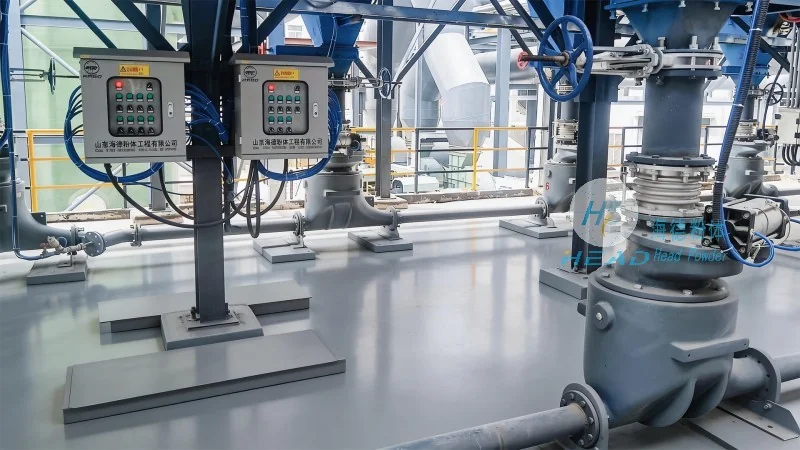
The operation process of zircon sand powder conveying begins with the material being fed into the system from a storage hopper or silo. The material then passes through a series of components, including feeders, conveyors, and control valves, which regulate the flow rate and direction. In pneumatic systems, the material is introduced into a pipeline where it is mixed with air and transported to the destination point. At the receiving end, the air and material are separated, typically using cyclone separators or filters, and the zircon sand is collected for further processing. Mechanical systems follow a similar sequence, with the material being moved by rotating screws or belts through the conveying line. Throughout the process, sensors and control systems monitor key parameters such as pressure, flow rate, and temperature to ensure the system operates within optimal conditions. Regular maintenance and cleaning are also essential to prevent clogging and maintain efficiency.
Key Components and Their Functions
Several key components are integral to the effective operation of zircon sand powder conveying systems. These include feeders, which control the initial flow of material from the source; conveyors, which transport the material through the system; and separation equipment, which separates the material from the conveying medium at the end of the line. Feeders, such as rotary valves or vibratory feeders, ensure a consistent and controlled feed rate, preventing overloading or underloading of the conveyor. Conveyors, including screw conveyors, belt conveyors, or pneumatic pipelines, provide the mechanical force needed to move the zircon sand. Separation equipment, like cyclone separators or bag filters, are crucial for recovering the material and cleaning the air, ensuring minimal loss and environmental compliance. Control systems, including PLCs (Programmable Logic Controllers), monitor and adjust the operation of these components in real-time, optimizing performance and reducing downtime.
Advantages and Applications
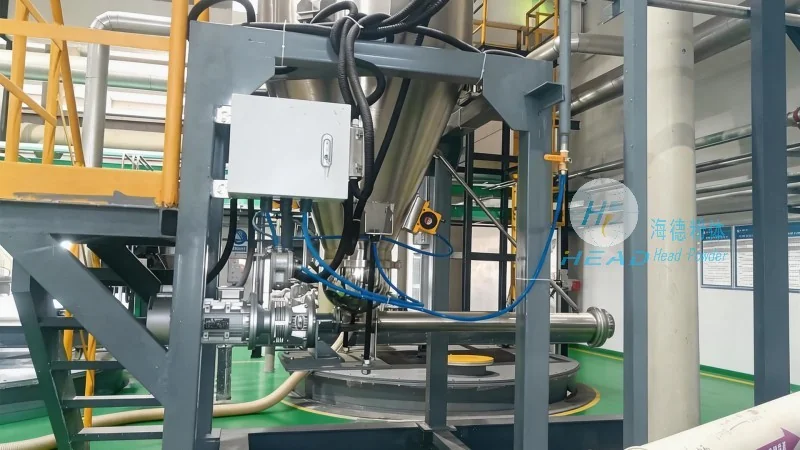
Zircon sand powder conveying systems offer several advantages, including high efficiency, low maintenance, and the ability to handle fine, abrasive materials without damage. These systems are widely used in industries such as ceramics, glass, and refractory materials, where zircon sand is a key component. The ability to transport zircon sand over long distances without degradation makes these systems essential for large-scale production facilities. Additionally, the modular design of many conveying systems allows for easy expansion or modification to accommodate changing production needs. By ensuring consistent and reliable material flow, zircon sand powder conveying systems contribute to improved productivity and product quality in industrial operations.
Conclusion
In conclusion, the operation process and working principles of zircon sand powder conveying systems are critical to the efficient handling of this important raw material. Through the integration of advanced mechanical and pneumatic technologies, these systems provide reliable and efficient transport solutions. HeadPowder, with its expertise in powder handling, continues to develop and refine these systems to meet the evolving needs of industrial clients. Based in Shandong, China, the company remains committed to delivering high-quality, customized solutions that enhance productivity and ensure the safe and efficient processing of zircon sand powder.