Wheat bran, a byproduct of wheat milling, is a vital raw material in various industries including animal feed production, food additives, and biofuel manufacturing. The efficient handling and transportation of wheat bran powder require specialized conveying systems that ensure minimal dust generation, consistent flow rates, and compliance with safety standards. This article delves into the operation process and working principles of wheat bran powder conveying systems, providing insights into the key components, operational procedures, and best practices for maintaining optimal performance.
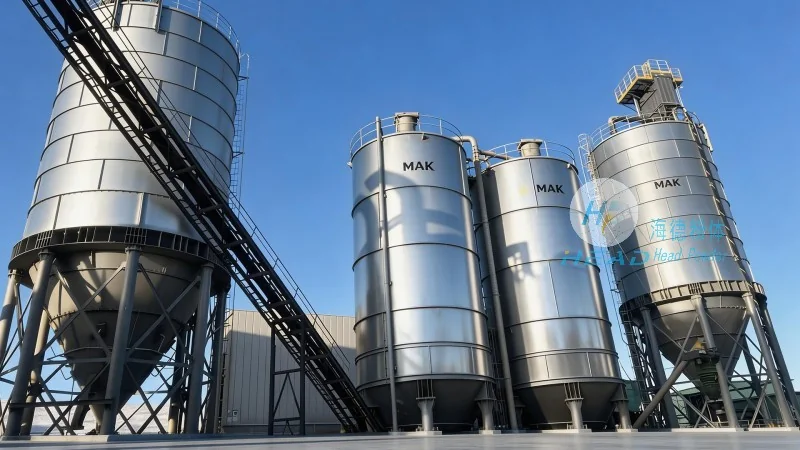
Introduction to Wheat Bran Powder Conveying Systems
Wheat bran powder conveying systems are designed to transport bulk wheat bran from storage silos or processing units to downstream equipment such as mixers, extruders, or packaging lines. These systems typically consist of several interconnected components, including hoppers, feeders, conveyors, and control panels. The choice of conveying method depends on factors like material properties, distance, and environmental considerations. Common conveying technologies for wheat bran include mechanical conveyors (e.g., screw conveyors, belt conveyors) and pneumatic systems (e.g., pressure or vacuum pneumatic conveyors).
Key Components of Wheat Bran Powder Conveying Systems
The performance of a wheat bran powder conveying system is determined by the integration and functionality of its core components. The primary components include:
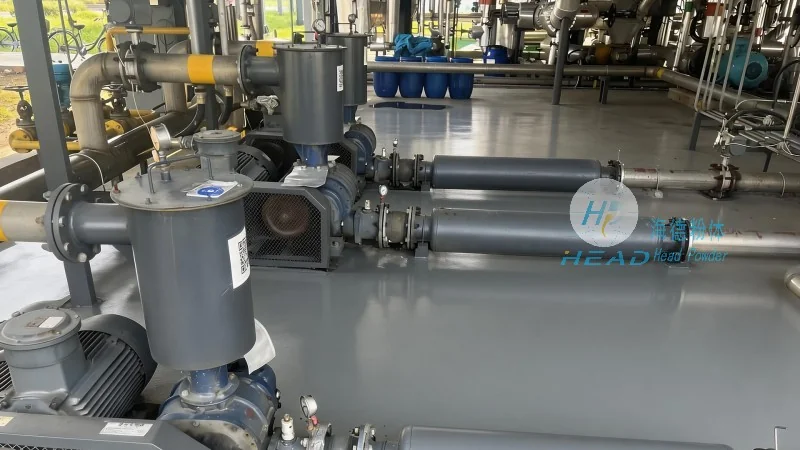
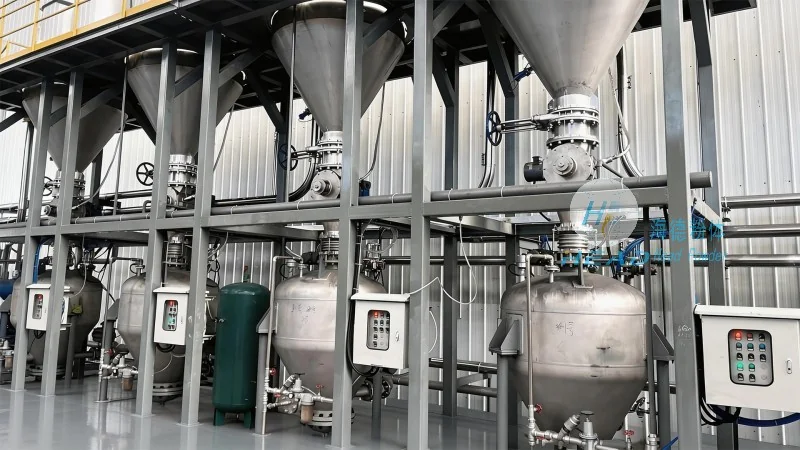
- Hoppers: Used for material storage and feeding, hoppers are designed to maintain a consistent flow of wheat bran into the conveying system. They often feature sloped sides to prevent material bridging and ensure smooth discharge.
- Feeders: Feeders regulate the flow rate of wheat bran into the conveyor, preventing overloading and ensuring stable operation. Common types include rotary valves, vibratory feeders, and screw feeders, each suited to different material characteristics and system requirements.
- Conveyors: The heart of the conveying system, conveyors transport wheat bran from the feeder to the destination. Screw conveyors are widely used for horizontal or slight incline transport due to their simplicity and reliability. For vertical or longer horizontal distances, pneumatic conveyors offer advantages in terms of flexibility and reduced maintenance.
- Control Panels: Control panels monitor and regulate the operation of the conveying system, ensuring safe and efficient performance. They may include sensors for level detection, flow monitoring, and alarms for abnormal conditions.
Working Principles of Wheat Bran Powder Conveying
The working principle of a wheat bran powder conveying system involves the controlled movement of bulk material from the source to the destination. For mechanical conveyors, the process typically starts with the material being fed into the conveyor via a feeder. The conveyor then uses mechanical force (e.g., rotation of a screw or belt movement) to move the wheat bran along the system. This method is effective for short to medium distances and materials with moderate flowability.
For pneumatic conveying systems, the working principle relies on the use of air to transport wheat bran. In pressure pneumatic systems, air is forced through a pipeline at high pressure, carrying the wheat bran particles. In vacuum systems, a vacuum is created at the receiving end, drawing the material through the pipeline. Pneumatic systems are particularly suitable for longer distances, high dust containment, and materials that are prone to caking or bridging.
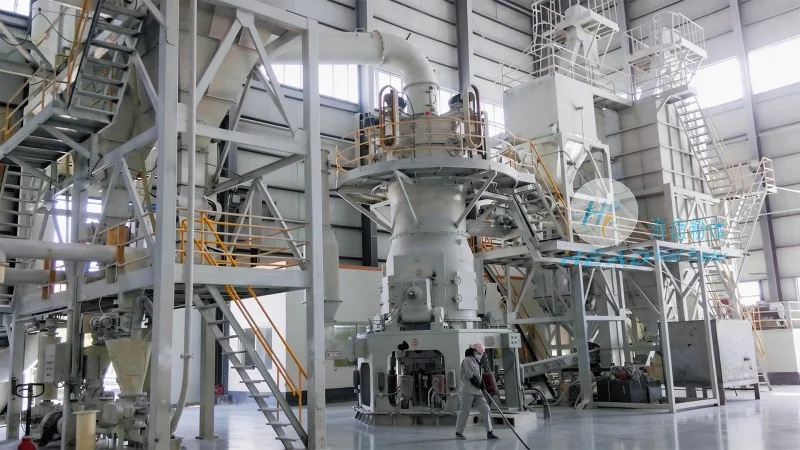
Operation Process of Wheat Bran Powder Conveying
The operation process of a wheat bran powder conveying system follows a systematic sequence to ensure safe and efficient material transport. The steps typically include:
- System Preparation: Before starting, all components are inspected for proper alignment, tight connections, and the absence of obstructions. The hopper is filled with wheat bran, and the feeder is adjusted to the desired flow rate.
- Start-up: The control panel is activated, and the conveyor is started. For pneumatic systems, the air compressor is turned on to generate the necessary pressure or vacuum. The system is allowed to run for a short period to clear any air or residual material from the pipeline.
- Normal Operation: During operation, the flow rate is monitored and adjusted as needed to maintain consistent material delivery. Sensors in the control panel provide real-time data on system performance, such as flow rate, pressure, and temperature. Operators may perform periodic checks to ensure all components are functioning correctly.
- Shutdown: When the conveying task is complete, the system is shut down in the reverse order of start-up. The conveyor is stopped first, followed by the feeder and then the air compressor. The hopper is emptied, and the system is cleaned to prevent material accumulation and contamination.
Maintenance and Best Practices for Wheat Bran Powder Conveying Systems
Proper maintenance is essential to ensure the longevity and efficiency of wheat bran powder conveying systems. Regular maintenance tasks include cleaning hoppers and conveyors to prevent material buildup, lubricating moving parts, and inspecting for wear and tear. It is also important to monitor the condition of filters and seals in pneumatic systems to prevent air leakage and dust contamination. Following manufacturer guidelines for operation and maintenance can significantly reduce downtime and operational costs.
About Shandong HeadPowder Engineering Co., Ltd.
Shandong HeadPowder Engineering Co., Ltd., operating under the brand name HeadPowder, is a leading manufacturer of specialized powder handling and conveying equipment. With a focus on innovation and customer satisfaction, HeadPowder provides high-quality solutions tailored to the unique needs of the wheat bran processing industry. HeadPowder's products are designed to enhance operational efficiency, ensure product quality, and meet industry standards for safety and environmental compliance. HeadPowder serves clients across China and beyond, delivering reliable and durable equipment that supports the smooth operation of wheat bran processing facilities.
Conclusion
Wheat bran powder conveying systems play a critical role in the efficient processing of wheat bran, enabling consistent material flow and minimizing losses. By understanding the operation process and working principles of these systems, operators can optimize performance, reduce maintenance costs, and ensure compliance with industry regulations. With the expertise of companies like Shandong HeadPowder Engineering Co., Ltd., the wheat bran processing industry can benefit from advanced conveying solutions that enhance productivity and sustainability.




