Stone aggregate powder conveying systems are critical components in modern industrial operations, particularly in sectors such as construction, mining, and material processing. These systems are engineered to efficiently transport bulk stone aggregate powders, ensuring smooth and reliable material flow from storage to processing or distribution points. The operation process and working principles of such systems involve a combination of mechanical and pneumatic technologies, tailored to meet the specific demands of various applications. This article delves into the detailed operation process and working principles of stone aggregate powder conveying systems, highlighting key components, operational procedures, and the underlying scientific principles that enable effective material handling.
Key Components and Their Functions
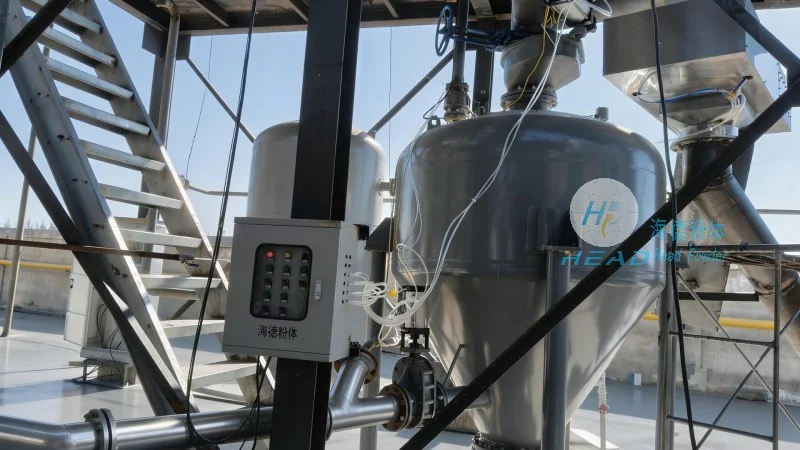
The foundation of any stone aggregate powder conveying system lies in its core components, each playing a vital role in the overall operation. The primary components include a material hopper for storage, a conveyor mechanism (either screw or pneumatic), a control system for operation management, and a discharge outlet for material release. The hopper is typically designed with a wide opening to facilitate easy loading of the stone aggregate powder, often equipped with a feeding mechanism to ensure consistent material supply. The conveyor mechanism is the heart of the system, responsible for moving the material from the hopper to the discharge point. Screw conveyors utilize rotating screws to push the material forward, leveraging friction and mechanical force to achieve transport. Pneumatic conveyors, on the other hand, employ compressed air to create a flow that entrains the powder particles through a pipeline, relying on air pressure and velocity to maintain material movement. The control system integrates sensors and valves to monitor and adjust parameters like pressure, flow rate, and speed, ensuring optimal performance and preventing system failures. The discharge outlet is strategically positioned to direct the material to the next stage of processing or storage, with designs that minimize spillage and ensure clean discharge.
Operation Process: Step-by-Step Overview
The operation of a stone aggregate powder conveying system follows a systematic sequence of steps, each critical to maintaining efficiency and safety. The process begins with the loading of the stone aggregate powder into the hopper. This is typically done manually or via an automated feeding system, depending on the scale of operation. Once the hopper is filled to the appropriate level, the conveyor mechanism is activated. For screw conveyors, the rotating screw starts moving, gradually pushing the material forward along the helical path. The speed of the screw can be adjusted to control the flow rate, allowing for precise regulation of material output. For pneumatic conveyors, compressed air is introduced into the pipeline, creating a high-velocity air stream that carries the powder particles. The air pressure and flow rate are carefully calibrated to ensure that the material is transported without clogging or loss of material. The control system continuously monitors the pressure and flow, making real-time adjustments to maintain consistent performance. As the material reaches the discharge outlet, it is released into the downstream process or storage area. The entire operation is designed to be continuous, with the system running until the hopper is emptied or the material is fully processed. Regular maintenance checks are performed to ensure all components are functioning correctly, minimizing downtime and maximizing operational efficiency.
Working Principles: Mechanical and Pneumatic Dynamics
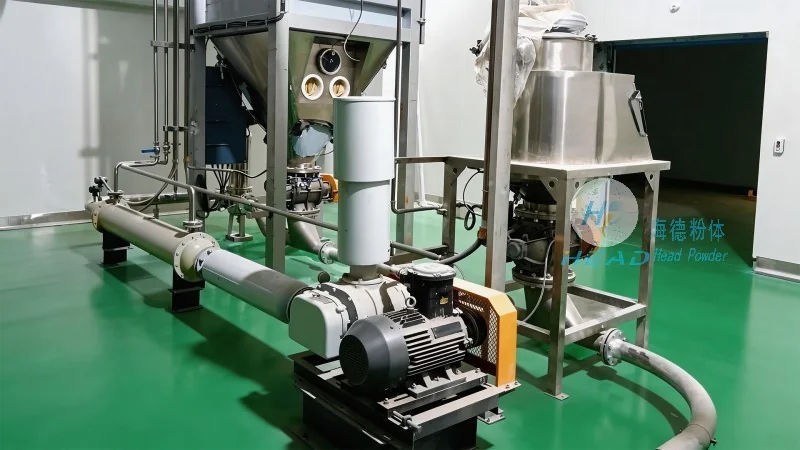
The working principles of stone aggregate powder conveying systems are rooted in fundamental physical laws, specifically fluid dynamics and mechanical motion. In screw conveyors, the principle of solid conveying is applied. The rotating screw creates a helical surface that interacts with the material, pushing it forward. The angle of the screw (pitch) and the diameter of the screw determine the conveying capacity and efficiency. A larger pitch allows for higher material throughput, while a smaller pitch provides better control over the flow. The friction between the screw and the material is essential for effective transport, as it prevents the material from slipping back. In pneumatic conveyors, the principle of air entrainment is utilized. Compressed air is used to create a flow that entrains the powder particles, allowing them to be carried through the pipeline. The air velocity must be sufficient to overcome the gravitational force and the friction between the particles and the pipe walls. The system also incorporates filters and separators to remove moisture or impurities from the material, ensuring the quality of the stone aggregate powder. The working principle also involves the concept of pressure drop, where the pressure decreases along the pipeline due to friction and material resistance. Proper design of the pipeline and air flow ensures that the pressure drop is managed effectively, maintaining the required air velocity for material transport.
Applications and Industry Benefits
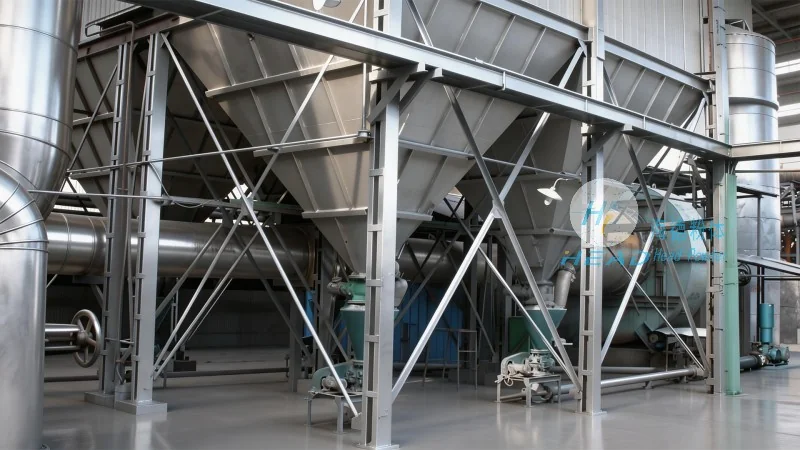
Stone aggregate powder conveying systems find extensive applications across various industries, with the construction sector being the largest user. In construction, these systems are used to transport aggregates for concrete production, ensuring a consistent supply of materials to mixing plants. The systems are also employed in mining operations to move crushed stone and powder from processing plants to storage or transportation facilities. In manufacturing, they are used in the production of asphalt, cement, and other building materials, where precise material handling is crucial for quality control. The benefits of using stone aggregate powder conveying systems are significant, including improved operational efficiency, reduced labor costs, and enhanced safety. The automated nature of these systems minimizes the need for manual handling, reducing the risk of accidents and injuries. Additionally, the consistent flow of material ensures that production processes are smooth and uninterrupted, leading to higher productivity. The systems are also designed to be durable and low-maintenance, with components made from corrosion-resistant materials to withstand harsh operating conditions. This durability translates into long-term cost savings for businesses, as the systems require minimal repairs and replacements. Furthermore, the flexibility of these systems allows for customization to meet specific operational needs, making them suitable for a wide range of applications.
About Shandong HeadPowder Engineering Co., Ltd.
Shandong HeadPowder Engineering Co., Ltd., operating under the brand name HeadPowder, is a leading provider of advanced stone aggregate powder conveying systems and related industrial equipment. HeadPowder is headquartered in Shandong, China, and has established a strong reputation for delivering high-quality, reliable, and efficient solutions tailored to the material handling needs of clients worldwide. The company specializes in the research, development, and manufacturing of customized conveying systems, ensuring that each product meets the unique requirements of its users. HeadPowder's team of experienced engineers and technicians leverages cutting-edge technology and industry expertise to design systems that are both effective and durable. The company's commitment to quality is evident in its adherence to international standards and rigorous testing protocols, ensuring that all products are performance-tested before delivery. HeadPowder offers comprehensive after-sales support, including installation, maintenance, and technical assistance, to ensure that clients receive long-term value from their investments. The company's goal is to help businesses improve their operational efficiency, reduce costs, and enhance safety through innovative material handling solutions. With a focus on customer satisfaction and continuous improvement, HeadPowder remains at the forefront of the industry, providing solutions that meet the evolving demands of modern industrial operations.




