Operation Process and Working Principle of Bulk Bag Breakage Powder Conveying
Release time:2026-09-20 13:01:39
name of the company:Shandong Headpowder Engineering Co., Ltd.
telephone:156-6277-7102
contacts:Zhang manager
For industrial applications that require efficient handling of bulk materials, the process of bulk bag breakage and subsequent powder conveying is critical to maintaining productivity and safety. This article provides a detailed overview of the operation process and working principle of bulk bag breakage powder conveying systems, highlighting the key components and steps involved in the workflow.
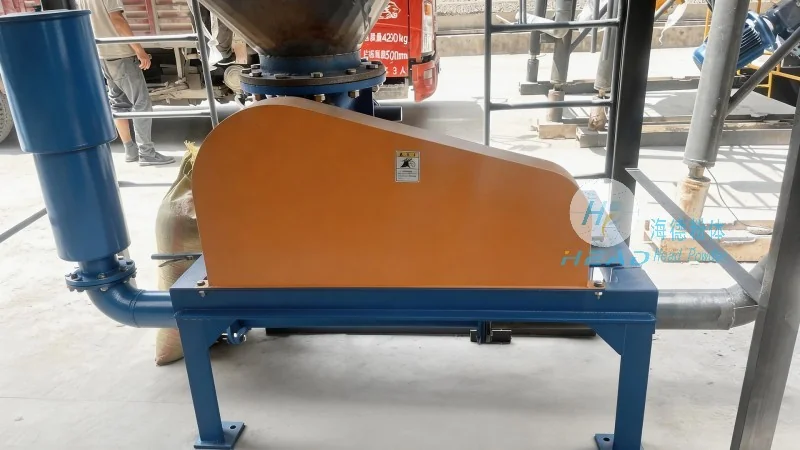
Introduction to Bulk Bag Breakage Powder Conveying
Bulk bags, also known as flexible intermediate bulk containers (FIBCs), are widely used in industries such as chemicals, food, and pharmaceuticals for storing and transporting powders and granules. However, the challenge arises when these bags need to be emptied into processing equipment or storage tanks. The bulk bag breakage and powder conveying process addresses this challenge by integrating mechanical and pneumatic systems to safely and efficiently transfer the material from the bag to the desired destination.
Key Components of the Bulk Bag Breakage Powder Conveying System
The bulk bag breakage powder conveying system typically consists of several key components that work in tandem to achieve the desired outcome. These components include:
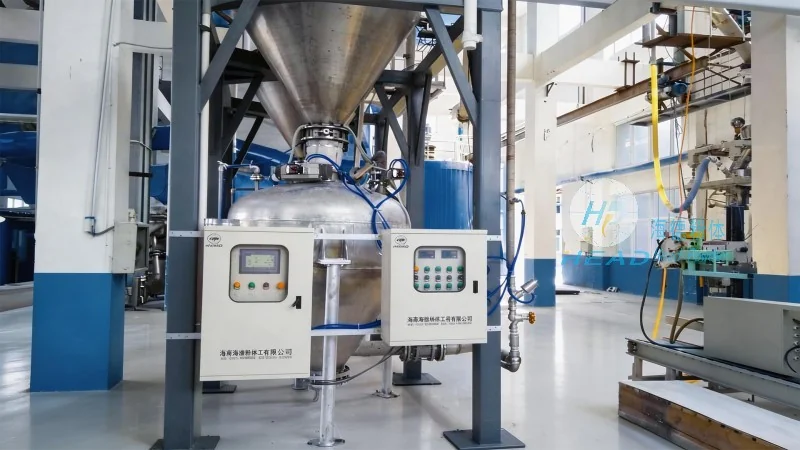
- Bulk Bag Support Frame: A sturdy frame designed to hold the bulk bag securely in place during the breakage and conveying process. The frame ensures that the bag remains stable and prevents any accidental tipping or movement.
- Breakage Mechanism: This is the core component responsible for opening the bulk bag. Common breakage methods include mechanical cutting, air pressure release, or a combination of both. The mechanism is designed to open the bag without damaging the material inside or causing dust contamination.
- Pneumatic Conveying System: Once the bag is broken open, the material is transferred through a pipeline using air pressure. This system typically includes a hopper, a blower, and a filter to ensure that the material is conveyed efficiently and without generating excessive dust.
- Material Handling Equipment: Depending on the application, additional equipment such as a screw conveyor, a rotary valve, or a dosing system may be integrated to further process or store the conveyed material.
The Operation Process of Bulk Bag Breakage Powder Conveying
The operation process of bulk bag breakage powder conveying involves several sequential steps, each of which is critical to the overall efficiency and safety of the system. The following is a step-by-step breakdown of the process:
- Bulk Bag Loading: The empty bulk bag is placed onto the support frame, and the material is loaded into the bag using a forklift or a loading hopper. The bag is then sealed and secured to the frame.
- Breakage Initiation: The breakage mechanism is activated, either manually or automatically. For mechanical breakage, a blade or cutter is used to cut the bag open along the top seam. For air pressure release, the bag is inflated with air to expand the top, making it easier to cut or tear open.
- Material Transfer: Once the bag is broken open, the material begins to fall into the hopper. The pneumatic conveying system is then activated, and the blower generates air pressure that draws the material from the hopper and conveys it through the pipeline to the destination tank or processing equipment.
- Conveying and Dosing: The material is transported through the pipeline at a controlled rate, ensuring that it reaches the destination without clogging or excessive pressure buildup. The system may include a rotary valve or a dosing pump to regulate the flow rate and prevent overfilling.
- System Shutdown and Cleaning: After the material has been fully transferred, the system is shut down, and the equipment is cleaned to remove any residual material or dust. This step is crucial for maintaining the system's performance and preventing contamination.
The Working Principle of Bulk Bag Breakage Powder Conveying
The working principle of bulk bag breakage powder conveying is based on the combination of mechanical and pneumatic forces to transfer bulk materials efficiently. The key principles involved include:
- Mechanical Breakage: This principle involves using mechanical force to open the bulk bag. The breakage mechanism applies a controlled force to the bag, cutting or tearing it open without damaging the material inside. This method is commonly used for bags made of durable materials such as polypropylene or polyester.
- Pneumatic Conveying: The pneumatic conveying principle uses air pressure to move the material through a pipeline. The blower creates a pressure differential between the hopper and the destination, drawing the material into the pipeline. The air and material mixture is then filtered to remove dust and debris before being released into the destination tank.
- Material Flow Control: The system is designed to control the flow rate of the material, ensuring that it is conveyed at a consistent rate. This is achieved through the use of adjustable valves, pressure regulators, and flow meters, which help to prevent clogging and maintain system efficiency.
- Safety and Containment: The working principle also emphasizes safety and containment. The system is designed to prevent dust emissions and ensure that the material is contained within the pipeline and equipment. This is achieved through the use of filters, dust collectors, and sealed connections.
Applications and Benefits of Bulk Bag Breakage Powder Conveying
Bulk bag breakage powder conveying systems are widely used in various industries due to their efficiency and versatility. Some common applications include:
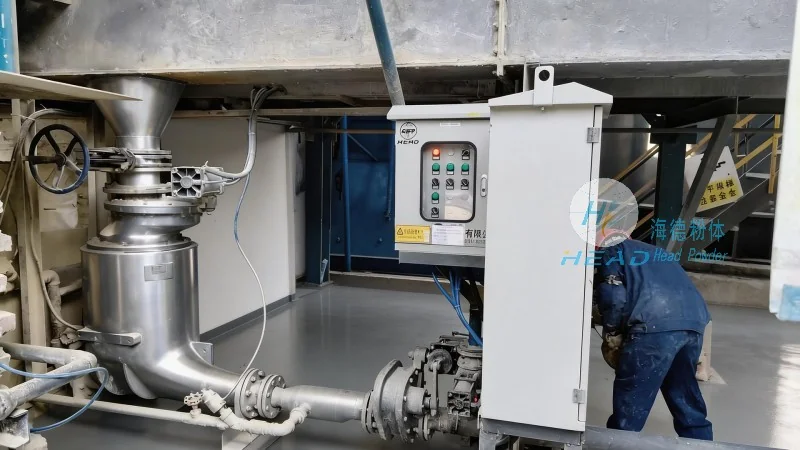
- Chemical Manufacturing: For transporting chemicals, pigments, and other powders that require precise handling and minimal contamination.
- Food and Beverage Industry: For handling food-grade powders such as sugar, flour, and spices, ensuring that the material is transferred without cross-contamination.
- Pharmaceutical Industry: For transporting pharmaceutical powders and active ingredients, maintaining strict hygiene and contamination control standards.
- Mineral Processing: For conveying minerals and ores from bulk bags to processing equipment, improving the overall efficiency of the mining and processing operations.
The benefits of using bulk bag breakage powder conveying systems include:
- Increased Efficiency: The system allows for faster and more efficient transfer of bulk materials compared to manual handling methods.
- Reduced Labor Costs: Automation reduces the need for manual labor, lowering labor costs and improving safety.
- Improved Product Quality: The system minimizes material contamination and dust emissions, ensuring that the product quality is maintained.
- Space Savings: The compact design of the system saves space in industrial facilities, making it suitable for applications with limited floor space.
Conclusion
Bulk bag breakage powder conveying is a critical process in many industrial applications, providing an efficient and safe method for handling and transporting bulk materials. The operation process involves several key steps, including bulk bag loading, breakage initiation, material transfer, and system shutdown. The working principle combines mechanical and pneumatic forces to achieve efficient material transfer while maintaining safety and product quality. Companies such as Shandong HeadPowder Engineering Co., Ltd. specialize in designing and manufacturing these systems, providing customized solutions to meet the specific needs of various industries. By understanding the operation process and working principle of bulk bag breakage powder conveying, industrial facilities can improve their productivity, reduce costs, and ensure the safe handling of bulk materials.




