Understanding the operation process and working principle of cereal powder conveying systems is crucial for optimizing production efficiency and ensuring product quality in the food processing industry. This article provides a detailed overview of how these systems function, focusing on the key components, operational steps, and technical principles involved in the efficient transfer of cereal powders.
Introduction to Cereal Powder Conveying Systems
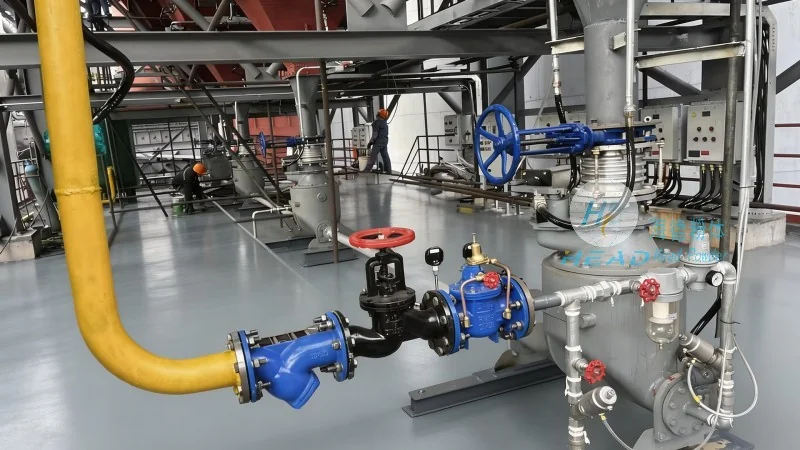
Cereal powder conveying systems are essential in food processing facilities, enabling the safe and reliable movement of bulk cereal powders from storage to processing areas. These systems are designed to handle various types of cereal powders, including wheat flour, cornmeal, oats, and other grain-based products, with precision and minimal product degradation. The technology behind these systems combines mechanical and pneumatic components to achieve efficient, low-damage transfer, which is critical for maintaining the quality and nutritional value of the final products.
Key Components of Cereal Powder Conveying Systems
The performance of a cereal powder conveying system depends on several critical components that work in harmony to ensure smooth operation. These components include: conveying equipment such as belt conveyors, screw conveyors, and pneumatic conveyors; feeding devices like hoppers and feeders that control the flow rate of the powder; control systems that monitor and adjust the operation based on real-time conditions; and separation and cleaning equipment to prevent contamination and maintain hygiene standards. Each component is carefully selected and integrated to meet the specific requirements of the processing environment, ensuring optimal performance and reliability.
The Operation Process of Cereal Powder Conveying
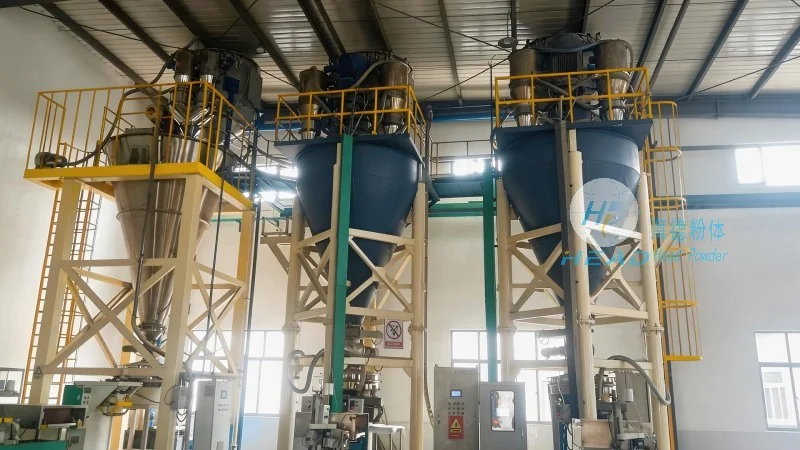
The operation process of a cereal powder conveying system typically involves several sequential steps that ensure the efficient transfer of powders. The process begins with the storage of the cereal powder in bulk containers or silos. From there, the powder is discharged into a hopper or feeder, where it is metered and controlled to maintain a consistent flow rate. The controlled powder then enters the conveying equipment, which moves the material through the system. For pneumatic systems, the powder is mixed with air and transported through pipes, while mechanical systems use rotating screws or belts to push the material forward. The conveying equipment transports the powder to the processing area or storage location, where it is discharged and prepared for the next stage of production. Throughout the process, sensors and control systems monitor parameters such as flow rate, pressure, and temperature to ensure the system operates within safe and efficient parameters. Any deviations are automatically adjusted to maintain optimal performance and prevent product loss or damage.
The Working Principle of Cereal Powder Conveying Systems
The working principle of cereal powder conveying systems varies depending on the type of equipment used, but all systems aim to achieve the same goal: the efficient transfer of bulk powders with minimal degradation. Mechanical conveying systems, such as screw conveyors and belt conveyors, rely on the physical movement of the powder by rotating components or moving belts. The screw conveyor, for example, uses a rotating screw to push the powder forward, while the belt conveyor uses a moving belt to transport the material. These systems are effective for handling dry, free-flowing powders and are commonly used in food processing due to their simplicity and reliability. Pneumatic conveying systems, on the other hand, use compressed air to transport the powder through pipes. The powder is mixed with air in a hopper or feeder and then carried through the system by the air flow. This method is particularly useful for handling powders that are difficult to convey mechanically, such as fine or cohesive powders. The air flow is controlled to maintain a consistent velocity, ensuring the powder is transported without clogging or damage. In both mechanical and pneumatic systems, the design of the components, such as the angle of the conveyor, the size of the pipes, and the speed of the rotating parts, is critical to achieving efficient and reliable operation. Proper maintenance and regular inspection of these components are essential to prevent breakdowns and ensure the system operates at peak performance.
Company Overview: Shandong HeadPowder Engineering Co., Ltd.
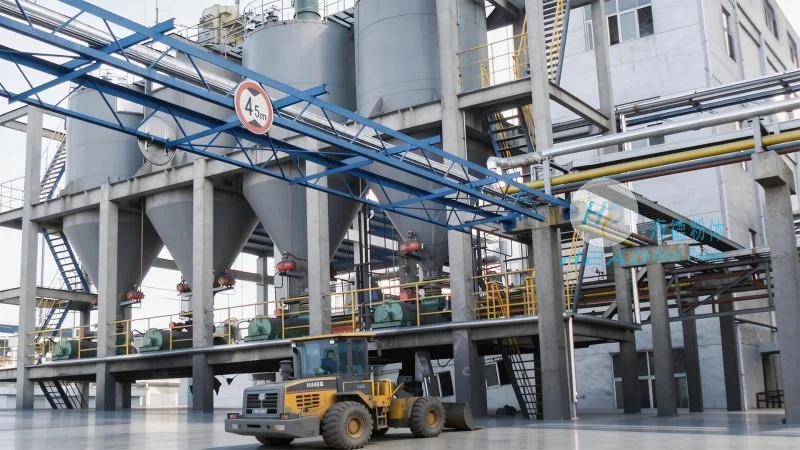
Shandong HeadPowder Engineering Co., Ltd., commonly known as HeadPowder, is a leading manufacturer and supplier of advanced cereal powder conveying systems and related equipment. With years of experience in the food processing industry, HeadPowder specializes in designing, manufacturing, and installing customized conveying solutions that meet the specific needs of clients. The company's products are known for their high efficiency, durability, and reliability, making them a trusted choice for food processing facilities worldwide. HeadPowder's team of engineers and technicians work closely with clients to understand their unique requirements and develop tailored solutions that optimize production processes and improve overall efficiency. The company's commitment to quality and innovation has earned it a reputation as a leader in the industry, with a focus on providing cost-effective and sustainable solutions for cereal powder handling. HeadPowder's facilities are equipped with state-of-the-art technology and strict quality control measures to ensure that every product meets the highest standards of performance and safety. The company's dedication to customer satisfaction and technical excellence has made it a preferred partner for many food processing companies, helping them to enhance their operations and achieve their business goals.
Conclusion
In conclusion, cereal powder conveying systems are essential for the efficient and reliable operation of food processing facilities. The operation process and working principle of these systems involve a combination of mechanical and pneumatic components that work together to transfer powders with precision and minimal damage. Companies like Shandong HeadPowder Engineering Co., Ltd. play a crucial role in providing advanced solutions that meet the specific needs of the industry, ensuring that food processing facilities can operate at optimal levels. By understanding the key components, operational steps, and technical principles of cereal powder conveying systems, food processing companies can make informed decisions about their equipment and improve their overall production efficiency. The continued development of advanced conveying technologies will further enhance the efficiency and sustainability of cereal powder handling, contributing to the growth and success of the food processing industry.




