

What is Zircon Sand Powder Handling Equipment? And What Are Its Design Principles?
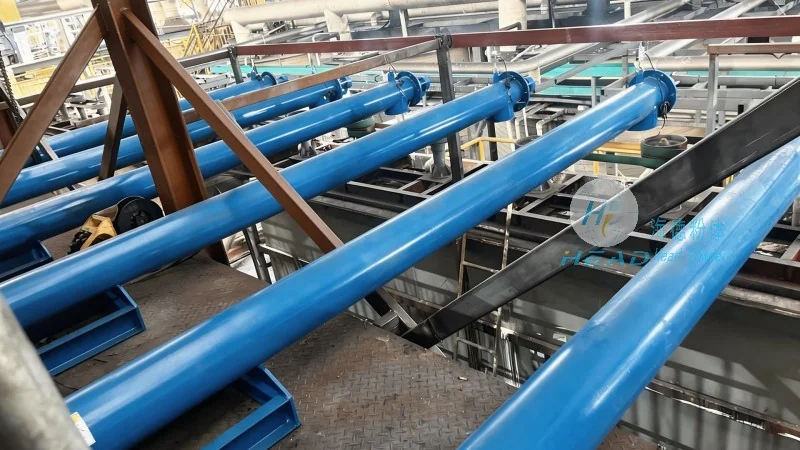
Zircon sand, a key raw material in the ceramics, glass, and refractory industries, requires specialized equipment for efficient handling and transportation. The zircon sand powder handling equipment is engineered to address the unique challenges of processing this abrasive and fine-grained material. This article explores the fundamental aspects of such equipment, including its design principles and operational mechanisms.
Introduction to Zircon Sand Powder Handling Equipment
Zircon sand, composed primarily of zirconium silicate (ZrSiO₄), is widely used in various high-value applications due to its excellent thermal stability and refractory properties. However, its fine particle size and abrasive nature make traditional bulk material handling methods inefficient and potentially damaging to equipment. The zircon sand powder handling equipment is specifically designed to overcome these challenges, ensuring safe, reliable, and efficient processing of zircon sand in industrial settings.
About HeadPowder: Your Trusted Partner in Powder Handling Solutions
HeadPowder, operating from Shandong, China, is a leading manufacturer of advanced powder handling equipment. With a strong commitment to innovation and quality, HeadPowder specializes in developing customized solutions for diverse industrial applications. The company's expertise lies in understanding the unique requirements of materials like zircon sand and designing equipment that maximizes productivity while minimizing operational risks. HeadPowder's products are engineered to meet stringent industry standards, ensuring durability, efficiency, and long-term performance.
Design Principles of Zircon Sand Powder Handling Equipment
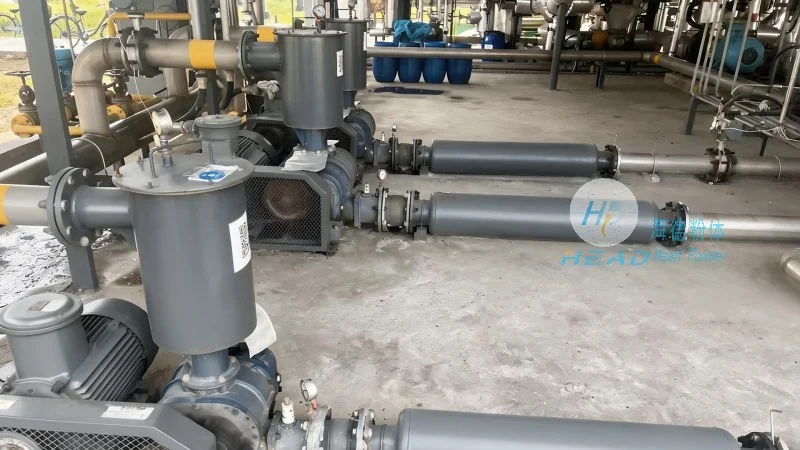
The design of zircon sand powder handling equipment is guided by several critical principles to ensure optimal performance. First, the equipment must be constructed from materials that can withstand the abrasive nature of zircon sand, such as high-strength alloys and wear-resistant coatings. This prevents premature wear and extends the equipment's service life. Second, the design incorporates efficient material flow mechanisms, including hopper designs and conveyor systems, to minimize material buildup and ensure consistent throughput. Third, the equipment is equipped with advanced control systems that allow for precise regulation of flow rates and pressure, enhancing operational safety and product quality. Additionally, the design prioritizes dust control and environmental compliance, incorporating features like sealed hoppers and dust collection systems to maintain a clean and safe working environment.
Key Components and Functional Aspects
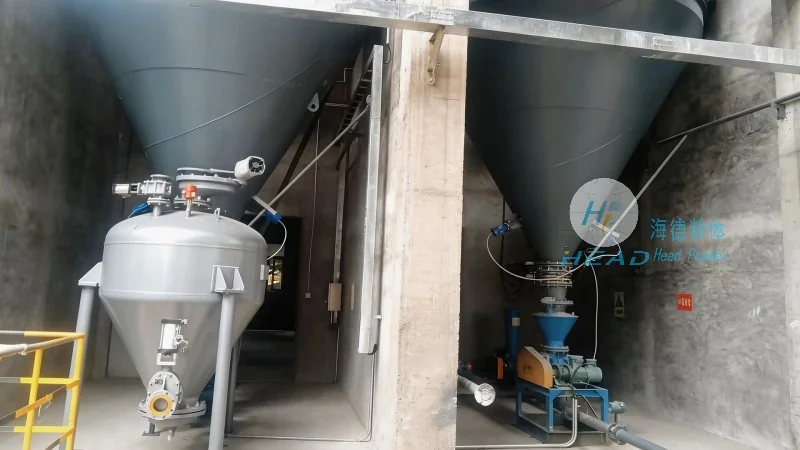
The zircon sand powder handling equipment typically consists of several key components, each playing a vital role in the overall system. The hopper serves as the primary storage and feeding unit, designed with a sloped bottom to facilitate smooth material discharge. The conveyor system, often using screw or pneumatic transport mechanisms, moves the zircon sand from the hopper to the processing unit. The control panel integrates sensors and actuators to monitor and adjust the flow, ensuring stable operation. The dust collection system, equipped with filters and fans, captures airborne particles, preventing contamination and maintaining air quality. Each component is carefully engineered to work in harmony, optimizing the handling process for zircon sand.
Advantages and Applications
The zircon sand powder handling equipment offers several advantages that make it indispensable in industrial applications. Its ability to handle fine, abrasive materials efficiently reduces downtime and maintenance costs. The advanced control systems enhance operational flexibility, allowing for adjustments based on production needs. The dust control features ensure compliance with environmental regulations, promoting a safe working environment. In the ceramics industry, this equipment is used for feeding zircon sand into kilns and mixing processes. In the glass industry, it aids in the preparation of raw materials for glass melting. In the refractory industry, it supports the production of high-performance refractory products. The versatility of the equipment makes it suitable for various applications where zircon sand is a critical component.
Conclusion
Zircon sand powder handling equipment is a sophisticated solution designed to meet the demanding requirements of processing zircon sand. By adhering to principles of durability, efficiency, and safety, this equipment ensures reliable performance in industrial settings. HeadPowder, with its expertise and commitment to quality, provides tailored solutions that enhance productivity and operational safety. As the demand for high-quality zircon sand products continues to grow, the importance of efficient powder handling equipment cannot be overstated. The design principles and components discussed in this article highlight the advanced technology behind these systems, underscoring their role in modern industrial processes.