

What is Desulfurization Fly Ash Powder Conveying Equipment? And What Are Its Design Principles?
Desulfurization fly ash is a byproduct generated during the flue gas desulfurization process in thermal power plants and other industrial facilities. The efficient handling and transportation of this fine powder are crucial for waste management and resource recovery. This article explores the desulfurization fly ash powder conveying equipment, its design principles, and the key factors that ensure optimal performance in industrial applications.
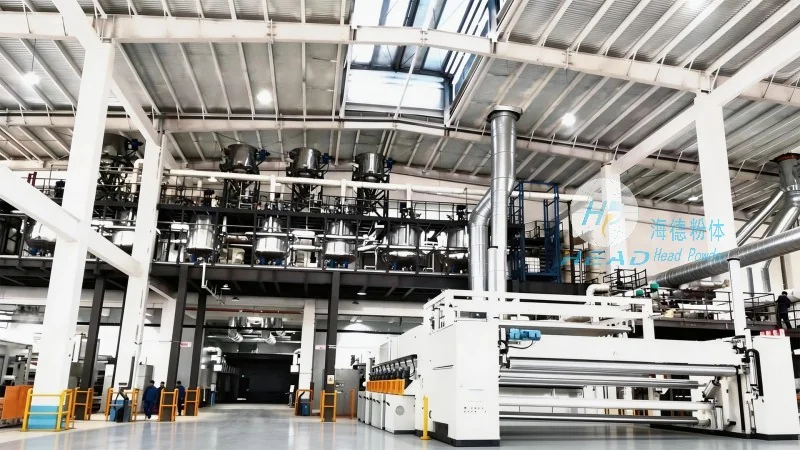
Introduction to Desulfurization Fly Ash Powder Conveying Equipment
Desulfurization fly ash powder conveying equipment is a specialized system engineered to transport desulfurization fly ash, a fine particulate material, from the desulfurization unit to storage or disposal sites. These systems are critical in power generation and industrial sectors where flue gas desulfurization is employed to reduce sulfur dioxide emissions. The equipment must handle the unique properties of fly ash, such as its fine particle size, moisture content, and potential reactivity, to ensure safe and efficient operation.
Design Principles of Desulfurization Fly Ash Powder Conveying Equipment
The design of desulfurization fly ash powder conveying equipment is guided by several key principles to address the challenges posed by the material. First, the system must ensure minimal dust generation and air pollution during operation. This is achieved through sealed conveying mechanisms and proper sealing of components. Second, the equipment is designed to handle the abrasive nature of fly ash, which can cause wear on metal parts. High-quality materials, such as stainless steel or specialized alloys, are used for critical components to extend the equipment's service life. Third, the design prioritizes energy efficiency and operational reliability. This includes optimizing the conveying speed, pressure, and flow rate to minimize energy consumption while maintaining consistent material transport. Additionally, the equipment is engineered for easy maintenance and cleaning, as fly ash can accumulate in system components and affect performance over time.
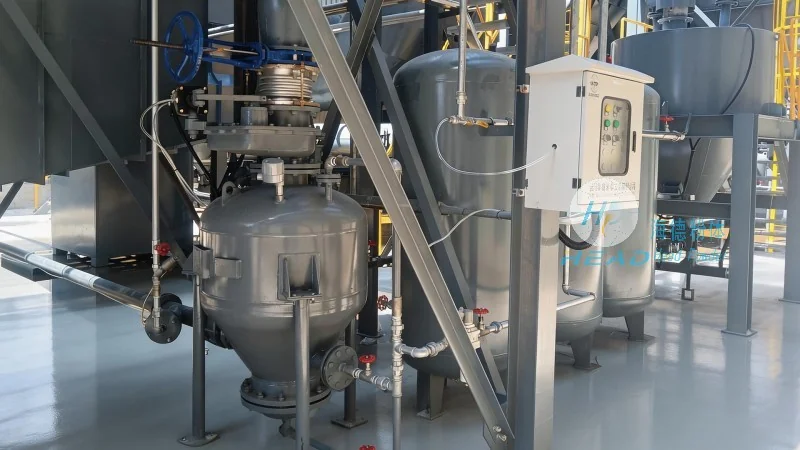
Key Components and Their Functions
Desulfurization fly ash powder conveying equipment typically consists of several interconnected components, each playing a vital role in the overall system. The primary components include the hopper, conveyor, and discharge system. The hopper is designed to store the fly ash and feed it into the conveyor at a controlled rate. It is usually equipped with a feeding mechanism, such as a screw feeder or a rotary valve, to regulate the material flow. The conveyor itself is the core of the system, responsible for transporting the fly ash from the hopper to the discharge point. Common types of conveyors used include pneumatic conveyors (air-assisted) and mechanical conveyors (e.g., screw conveyors or belt conveyors). Pneumatic conveyors are often preferred for fine powders like fly ash due to their ability to handle high volumes and maintain a dust-free environment. The discharge system ensures the fly ash is delivered to the intended location, such as a storage silo or a disposal site. This system may include a discharge valve or a hopper that directs the material to the next stage of processing.
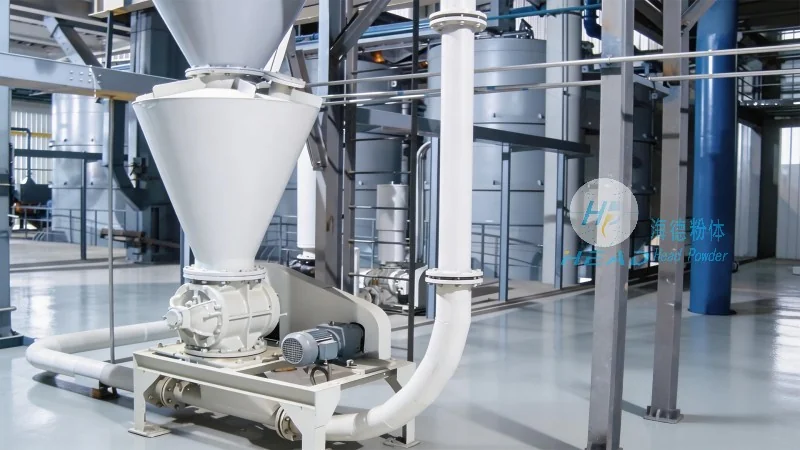
Technical Advantages and Performance Metrics
The desulfurization fly ash powder conveying equipment from Shandong HeadPowder Engineering Co., Ltd. offers several technical advantages that enhance its performance and reliability. One key advantage is the use of advanced sealing technology, which minimizes dust leakage and ensures compliance with environmental regulations. The equipment is also designed for high efficiency, with optimized conveying speeds and pressure levels that reduce energy consumption while maintaining consistent material transport. Another advantage is the durability of the components, which are made from high-quality materials to withstand the abrasive nature of fly ash. This results in lower maintenance costs and longer service intervals. Performance metrics, such as conveying capacity, pressure drop, and material flow rate, are carefully engineered to meet the specific requirements of industrial applications. The equipment is also designed for easy integration into existing systems, allowing for seamless operation with other industrial processes.
Application and Operational Considerations
Desulfurization fly ash powder conveying equipment is widely used in thermal power plants, industrial facilities, and waste management facilities. The equipment is typically integrated into the flue gas desulfurization system, where it transports the fly ash from the absorber to storage or disposal sites. The operational considerations for this equipment include maintaining proper moisture content in the fly ash, as excessive moisture can affect the conveying efficiency and cause blockages. Regular maintenance, such as cleaning the hopper and conveyor, is essential to prevent material buildup and ensure smooth operation. Additionally, the equipment must be operated within the specified parameters to avoid damage to components and ensure optimal performance. The use of monitoring systems, such as pressure sensors and flow meters, helps operators maintain the system's performance and detect any issues early.