

Principles and Application Scenarios of Pneumatic Conveying for Flour Materials
HeadPowder, a leading provider in the field, specializes in the design and implementation of pneumatic conveying systems tailored for flour and similar fine powder materials. This article explores the fundamental principles behind pneumatic conveying technology and highlights the key characteristics of its application scenarios, offering insights into how these systems efficiently handle the unique challenges of flour processing.
The Core Principles of Pneumatic Conveying
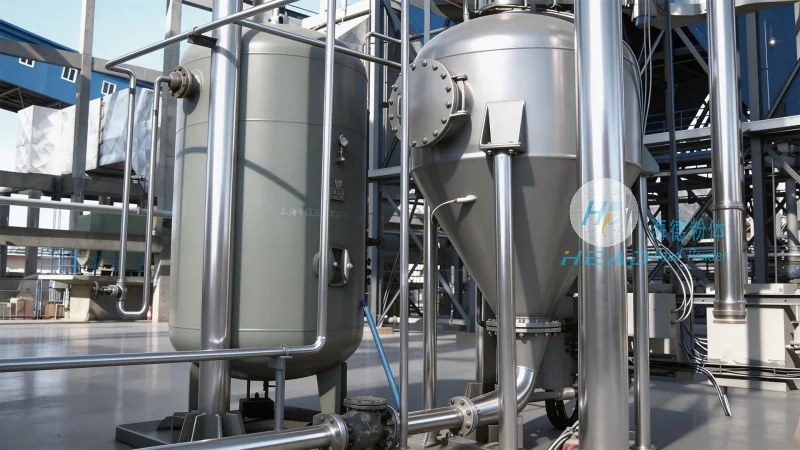
Pneumatic conveying operates by transporting bulk materials through a pipeline using a stream of air or other gas. For flour materials, this method leverages the principle of creating a pressure differential or using vacuum to move the powder. The system typically consists of a hopper, a conveyor line, and a discharge point. The air flow is generated by a blower or vacuum pump, which creates a flow that entrains the flour particles, carrying them through the pipeline. This approach eliminates the need for mechanical components like belts or screws, reducing friction and wear while ensuring a clean and hygienic transfer process. The efficiency of the system depends on factors such as air velocity, material density, and particle size, all of which are carefully optimized to achieve optimal performance.
Key Application Scenarios and Operational Advantages
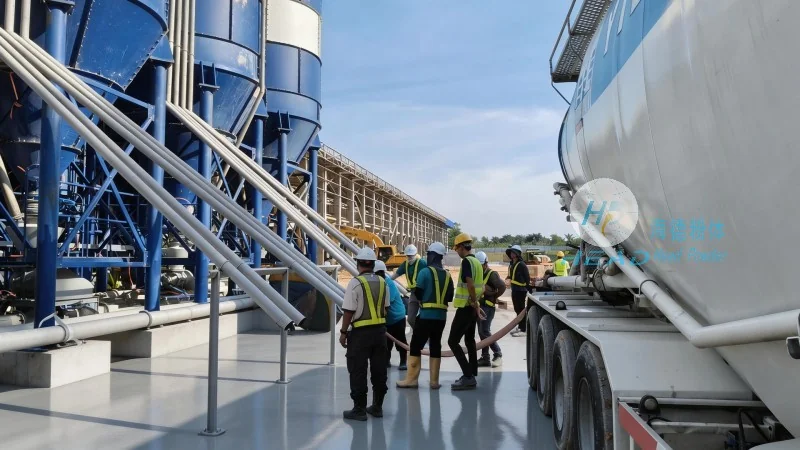
HeadPowder's pneumatic conveying systems are widely adopted in various industrial settings where flour is processed and transported. One primary scenario is in flour mills, where these systems are used to move raw flour from storage silos to processing lines or packaging areas. The ability to handle fine powders without segregation or degradation is crucial here, as flour particles are sensitive to moisture and air exposure. Another common application is in food processing facilities, where the systems are integrated into production lines to transfer flour for baking or other food preparation processes. The hygienic design of these systems, with smooth surfaces and easy-to-clean components, ensures compliance with food safety regulations. Additionally, in bulk handling operations, pneumatic conveying is used to transport flour from receiving areas to storage silos, minimizing dust generation and improving workplace safety.
System Design and Customization for Flour Handling
At Shandong HeadPowder Engineering Co., Ltd., the design of pneumatic conveying systems for flour materials is customized to meet specific operational requirements. The company considers factors such as the volume of material to be conveyed, the distance of the transfer, and the desired flow rate. For instance, in high-volume flour mills, systems may incorporate multiple conveying lines or larger diameter pipelines to handle increased throughput. The choice of air velocity is critical; too low a velocity may cause material to settle, while too high a velocity can lead to excessive pressure drop and energy consumption. HeadPowder engineers use computational fluid dynamics (CFD) and other simulation tools to model the flow behavior and optimize the system design. The components, including hoppers with appropriate discharge mechanisms and filters to prevent material buildup, are selected to ensure long-term reliability and minimal maintenance. The company also emphasizes the integration of safety features, such as pressure relief valves and emergency shut-off systems, to protect both the equipment and personnel.
Benefits and Challenges in Flour Pneumatic Conveying
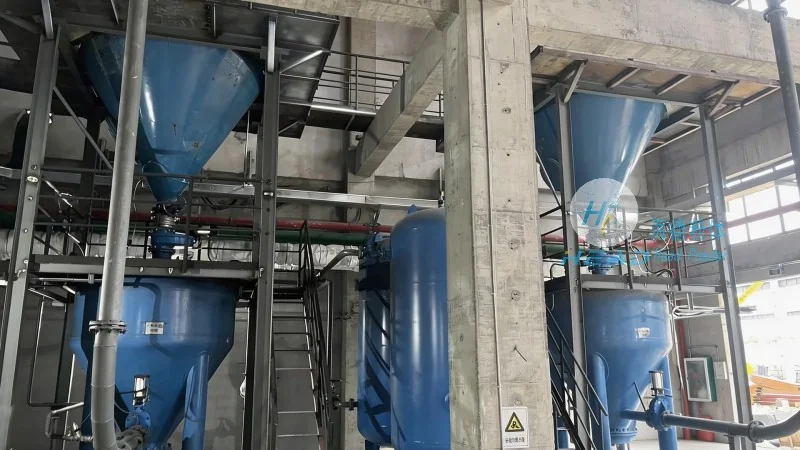
Implementing pneumatic conveying for flour materials offers several advantages. The primary benefit is the ability to transfer fine powders in a closed system, which reduces dust contamination and improves product quality. This is particularly important in food processing, where product purity is paramount. Additionally, the system's ability to handle vertical and horizontal transport in a single line simplifies the layout of processing facilities, saving space and reducing the need for multiple transfer points. Another advantage is the reduced risk of material degradation compared to mechanical conveying, as there is no direct contact with moving parts. However, challenges exist, such as the need for precise control of air flow to prevent clogging or blockages in the pipeline. Flour particles can agglomerate, especially if they are moist or contain clumps, which may require pre-drying or conditioning before conveying. Furthermore, the energy consumption of pneumatic systems can be higher than mechanical alternatives, although advancements in blower technology have improved efficiency. HeadPowder addresses these challenges through rigorous testing and system optimization, ensuring that their solutions are both effective and cost-efficient.