

Principles and Working Scene Characteristics of Wheat Material Pneumatic Conveying
Wheat material pneumatic conveying is a critical technology in the agricultural and food processing industries, designed to efficiently transport bulk wheat and related materials from one location to another. This method leverages air as the primary medium to move granular or powdery substances, offering advantages such as reduced contamination, improved hygiene, and the ability to handle materials in enclosed systems. Understanding the underlying principles and the specific characteristics of working scenes is essential for optimizing operational efficiency and ensuring the quality of the wheat during transport.
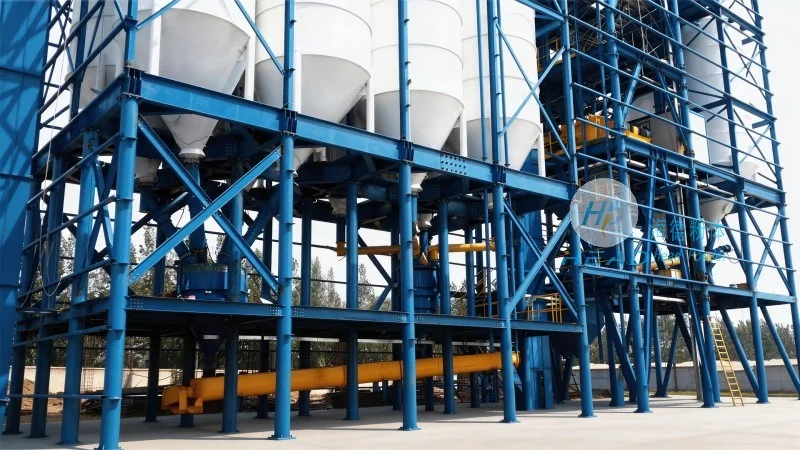
Core Principles of Wheat Material Pneumatic Conveying
The fundamental principle of pneumatic conveying for wheat involves creating a pressure differential between the conveying line and the ambient environment. This is typically achieved through either pressure or vacuum systems. In a pressure system, air is compressed and introduced into the conveying line at a higher pressure than the surrounding atmosphere, pushing the wheat particles forward. Conversely, a vacuum system draws air and wheat particles into the line using a vacuum pump, creating a negative pressure that pulls the material along. The choice between pressure and vacuum depends on factors like the distance to be covered, the material's characteristics, and the system's overall design. For wheat, which is a relatively light and dry grain, both systems can be effective, but pressure systems are often preferred for longer distances due to their ability to maintain consistent flow rates and minimize material degradation.
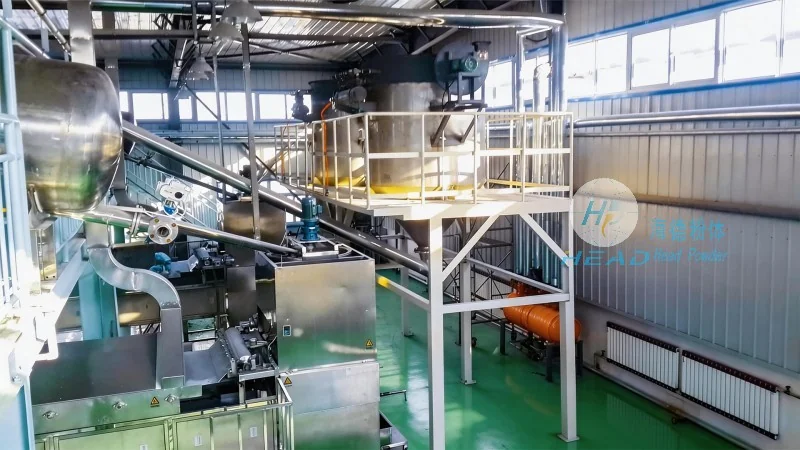
Working Scene Characteristics and Application Scenarios
The working scene characteristics of wheat material pneumatic conveying systems vary based on the specific application and operational environment. In agricultural settings, such as on-farm storage and processing facilities, these systems are commonly used to transfer wheat from storage silos or bins to processing equipment like cleaners, grinders, or packaging machines. The key characteristics in these scenarios include the need for high capacity and reliability, as large volumes of wheat are handled daily. Additionally, the systems must be designed to handle the varying moisture content and particle size distribution of wheat, which can affect flow properties and system performance. In industrial processing plants, pneumatic conveying is often integrated into larger production lines, where it connects different processing stages, such as from cleaning to milling. Here, the working scene may involve more complex system configurations, including multiple conveying lines, branching, and merging points, to accommodate the flow of wheat through various processing steps. The characteristics of these working scenes emphasize the importance of system flexibility and the ability to handle different material qualities without significant downtime or maintenance.
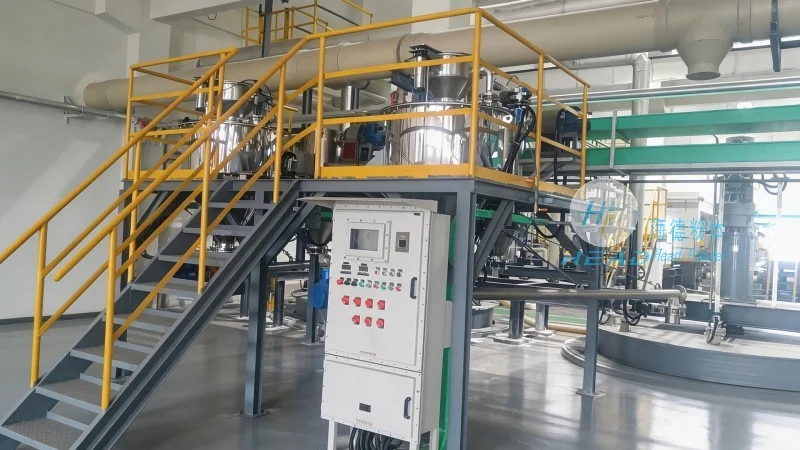
System Components and Operational Considerations
Wheat material pneumatic conveying systems consist of several key components that work in tandem to ensure efficient material transport. These include the hopper or feeder, which feeds the wheat into the conveying line; the conveying line itself, typically made of metal or flexible tubing; the air supply or vacuum pump; and the discharge equipment, such as a receiver or cyclone separator, which collects the wheat at the end of the line. The hopper is designed to maintain a consistent flow of wheat into the system, often incorporating features like a rotary valve or a screw feeder to regulate the material feed rate. The conveying line must be properly sized and configured to handle the specific flow rate and pressure requirements of the wheat, with considerations for material abrasiveness and the risk of blockages. The air supply system, whether for pressure or vacuum, must be capable of delivering sufficient airflow to maintain the desired conveying velocity, which is critical for preventing material deposition and ensuring smooth transport. Operational considerations also include the need for regular maintenance, such as cleaning the conveying line and checking for wear on components, to prevent clogging and maintain system efficiency. Additionally, the system must be designed to handle the potential for dust generation, as wheat particles can become airborne during transport, requiring dust collection and filtration systems to ensure compliance with safety and environmental regulations.
Advantages and Challenges in Wheat Material Pneumatic Conveying
Implementing pneumatic conveying for wheat offers several advantages that make it a preferred method in many applications. One of the primary benefits is the ability to maintain a clean and hygienic environment, as the system operates in enclosed lines, reducing the risk of contamination from external sources. This is particularly important in food processing facilities where product quality and safety are paramount. Another advantage is the reduced labor requirements, as automated systems can handle large volumes of wheat with minimal human intervention. The technology also allows for the integration of multiple processing steps into a single, continuous flow, improving overall production efficiency. However, there are also challenges associated with wheat material pneumatic conveying. One significant challenge is the potential for material degradation, such as breakage or heating, especially in high-pressure systems where friction between particles and the conveying line can generate heat. This can affect the quality of the wheat, particularly if it is intended for human consumption. Another challenge is the risk of system blockages, which can occur due to the accumulation of fines or moisture in the wheat, leading to reduced flow rates or complete system shutdown. Addressing these challenges requires careful system design, including the use of appropriate materials for the conveying line and regular maintenance to prevent clogging.
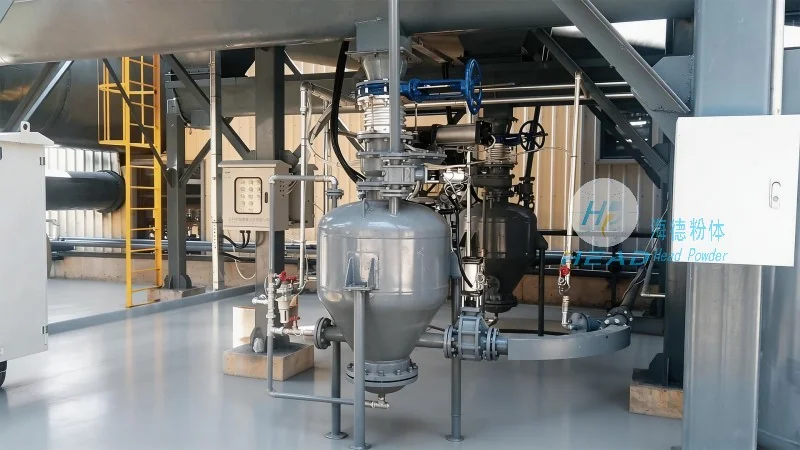
About Shandong HeadPowder Engineering Co., Ltd.
Shandong HeadPowder Engineering Co., Ltd., commonly known as HeadPowder, is a leading provider of pneumatic conveying solutions tailored for agricultural and food processing applications. With a focus on innovation and customer satisfaction, the company specializes in designing and manufacturing customized wheat material pneumatic conveying systems that meet the specific needs of its clients. HeadPowder's expertise lies in understanding the unique characteristics of wheat and other bulk materials, allowing them to develop systems that optimize efficiency, minimize material loss, and ensure product quality. The company's facilities are located in Shandong, China, where it leverages advanced manufacturing techniques and a team of experienced engineers to deliver high-quality products and reliable service. By combining technical expertise with a customer-centric approach, HeadPowder aims to be a trusted partner for businesses seeking to enhance their wheat handling and processing operations through efficient pneumatic conveying technology.