

Operation Process and Working Principle of Dry Stone Powder Pneumatic Conveying Equipment
Shandong HeadPowder Engineering Co., Ltd. is a professional manufacturer specializing in the design, production, and supply of pneumatic conveying equipment. Based in Shandong, China, the company focuses on providing efficient and reliable solutions for material handling in various industrial applications. The following content will detail the operation process and working principle of dry stone powder pneumatic conveying equipment, highlighting the technical aspects and practical implementation of this essential industrial equipment.
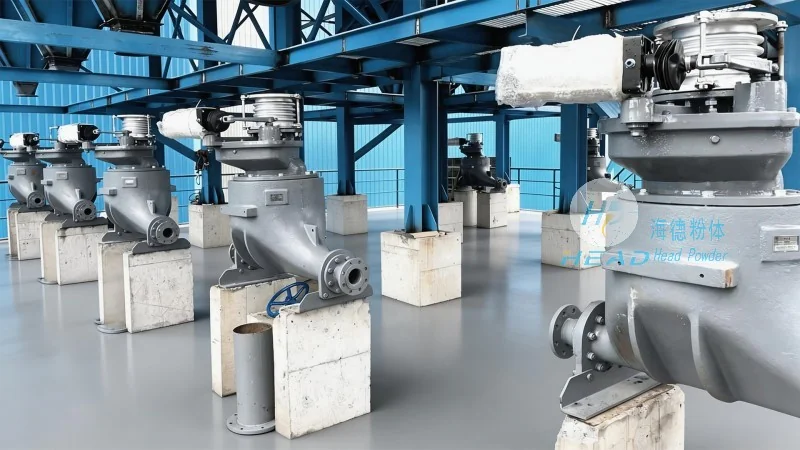
Introduction to Dry Stone Powder Pneumatic Conveying Equipment
Dry stone powder pneumatic conveying equipment is a critical component in modern industrial material handling systems. It is designed to transport dry powders, such as stone powders, through a pipeline using air pressure. This method offers several advantages over traditional mechanical conveying systems, including reduced material degradation, lower maintenance costs, and improved safety. The equipment is widely used in industries like mining, construction, and chemical processing, where the efficient and safe transportation of bulk materials is essential.
Key Components of the Pneumatic Conveying System
The dry stone powder pneumatic conveying system consists of several key components that work together to ensure smooth and efficient operation. These components include the hopper, feeder, air compressor, pipeline system, and receiver. Each component plays a vital role in the overall performance of the system.
- Hopper: The hopper is the storage container where the dry stone powder is loaded. It is typically designed with a conical or rectangular shape to facilitate the flow of material into the feeder. The hopper is equipped with a discharge valve to control the flow rate of the material.
- Feeder: The feeder is responsible for regulating the flow of material from the hopper into the pipeline. It ensures a consistent and controlled feed rate, preventing overloading or underloading of the system. Common types of feeders include rotary valves and screw feeders, which are suitable for different material characteristics and flow rates.
- Air Compressor: The air compressor generates the necessary air pressure to move the material through the pipeline. It is a critical component that determines the conveying capacity and distance of the system. The choice of compressor type (e.g., rotary or reciprocating) depends on the specific requirements of the application, including the material's properties and the desired conveying distance.
- Pipeline System: The pipeline system consists of the main and branch pipes that connect the feeder to the receiver. The pipes are typically made of stainless steel or other corrosion-resistant materials to handle the abrasive nature of stone powders. The design of the pipeline, including the use of bends and elbows, is optimized to minimize pressure drop and ensure efficient material transport.
- Receiver: The receiver is the final container where the conveyed dry stone powder is deposited. It is designed to collect the material and prevent it from escaping or being contaminated. The receiver may include a dust collection system to ensure environmental compliance and maintain a clean working environment.
Operation Process of Dry Stone Powder Pneumatic Conveying Equipment
The operation process of the dry stone powder pneumatic conveying equipment involves several sequential steps that ensure the smooth and efficient transport of material. The process begins with the loading of the dry stone powder into the hopper. Once the hopper is filled, the feeder starts to regulate the flow of material into the pipeline. Simultaneously, the air compressor generates the required air pressure, which is introduced into the pipeline through the feeder.
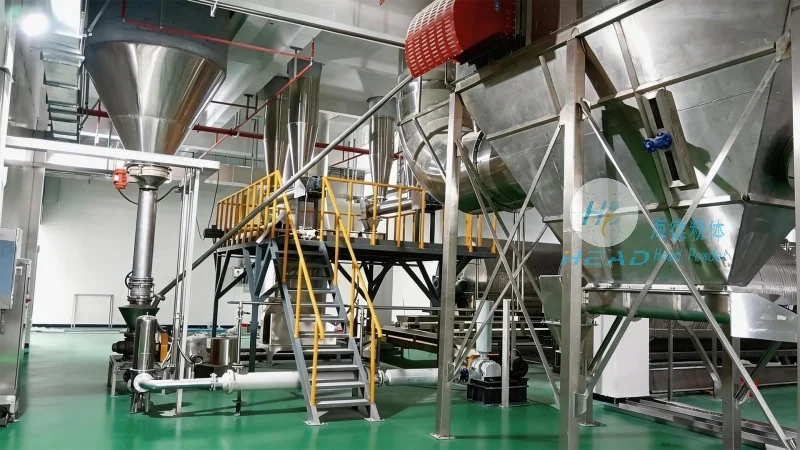
As the air flows through the pipeline, it creates a low-pressure zone that draws the dry stone powder from the hopper into the feeder. The material is then mixed with the air and carried through the pipeline to the receiver. The air and material mixture travels at high velocity, ensuring that the material is transported efficiently over long distances. Upon reaching the receiver, the air is separated from the material, and the dry stone powder is collected in the receiver. The air is then discharged or recirculated back to the compressor, depending on the system design.
Working Principle of the Pneumatic Conveying System
The working principle of the dry stone powder pneumatic conveying system is based on the principle of fluidization and pneumatic transport. The system uses compressed air to create a fluidized state in the material, allowing it to be transported as a slurry through the pipeline. The key to the system's efficiency lies in the balance between the air flow rate and the material feed rate. If the air flow rate is too low, the material may not be fully entrained and may settle in the pipeline, leading to blockages. Conversely, if the air flow rate is too high, the material may be over-entrained, causing excessive pressure drop and energy consumption.
The system operates on the principle of pressure or vacuum conveying. In pressure conveying, the air compressor supplies high-pressure air to the system, pushing the material through the pipeline. In vacuum conveying, a vacuum pump is used to create a low-pressure environment at the receiver, drawing the material from the hopper. The choice between pressure and vacuum conveying depends on the specific application requirements, including the conveying distance, material properties, and system layout.
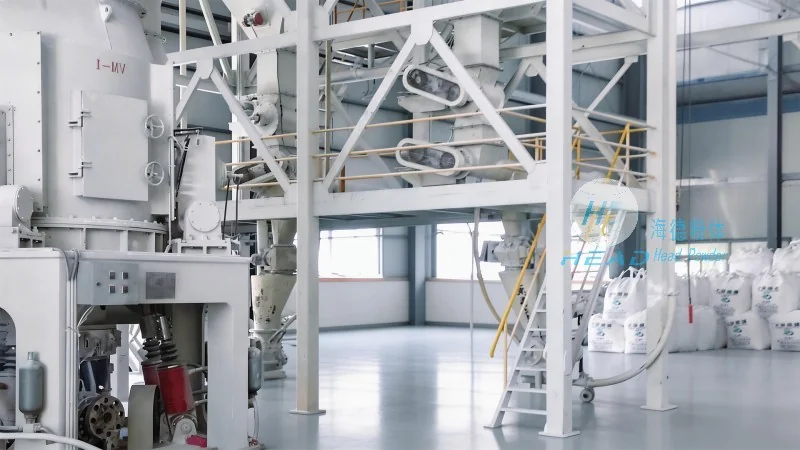
Advantages of Dry Stone Powder Pneumatic Conveying Equipment
Dry stone powder pneumatic conveying equipment offers several advantages over traditional mechanical conveying systems. These advantages include:
- Reduced Material Degradation: The pneumatic conveying process minimizes the impact and friction on the material, reducing the risk of degradation or agglomeration. This is particularly important for stone powders, which can be sensitive to mechanical stress.
- Lower Maintenance Costs: The system has fewer moving parts compared to mechanical conveyors, resulting in lower maintenance requirements and costs. The absence of belts, chains, or gears reduces the likelihood of wear and tear, extending the equipment's lifespan.
- Improved Safety: The enclosed pipeline system prevents dust emissions and reduces the risk of dust explosions, which is a significant safety concern in industrial environments. The system also eliminates the need for manual handling of bulk materials, reducing the risk of workplace accidents.
- Flexibility and Scalability: The pneumatic conveying system can be easily modified or expanded to accommodate changing production requirements. The pipeline can be extended or reconfigured to serve different locations, making it a versatile solution for various industrial applications.
Applications and Industries
Dry stone powder pneumatic conveying equipment is widely used in various industries where the efficient and safe transportation of dry powders is essential. Some of the key applications include:
- Mining Industry: In mining operations, the equipment is used to transport crushed stone powders from processing plants to storage facilities or for further processing. It ensures the safe and efficient handling of abrasive materials.
- Construction Industry: The equipment is used in construction sites to transport dry stone powders for concrete mixing, mortar preparation, and other construction activities. It provides a clean and efficient method for material handling.
- Chemical Processing Industry: In chemical plants, the equipment is used to transport various dry powders, including additives and raw materials, to different processing units. It ensures the precise and controlled delivery of materials, improving the overall efficiency of the production process.
- Food and Pharmaceutical Industry: Although less common for stone powders, the equipment can be adapted for the transport of certain food-grade powders or pharmaceutical raw materials, providing a hygienic and contamination-free transport method.
Conclusion
Dry stone powder pneumatic conveying equipment is a highly efficient and reliable solution for the transportation of dry bulk materials. With its ability to handle abrasive materials, reduce maintenance costs, and improve safety, it has become an essential component in modern industrial material handling systems. Shandong HeadPowder Engineering Co., Ltd. provides high-quality pneumatic conveying equipment tailored to the specific needs of various industries, ensuring optimal performance and long-term reliability.