Starch material conveying is a critical process in various industrial applications, particularly in the food, pharmaceutical, and chemical sectors. The efficient handling of starch-based materials requires a deep understanding of the underlying principles and the specific characteristics of different working environments. This article explores the fundamental principles of starch material conveying systems and highlights the key features of their application scenarios, providing insights into how these systems operate and where they are most effectively utilized.
Understanding the Core Principles of Starch Material Conveying
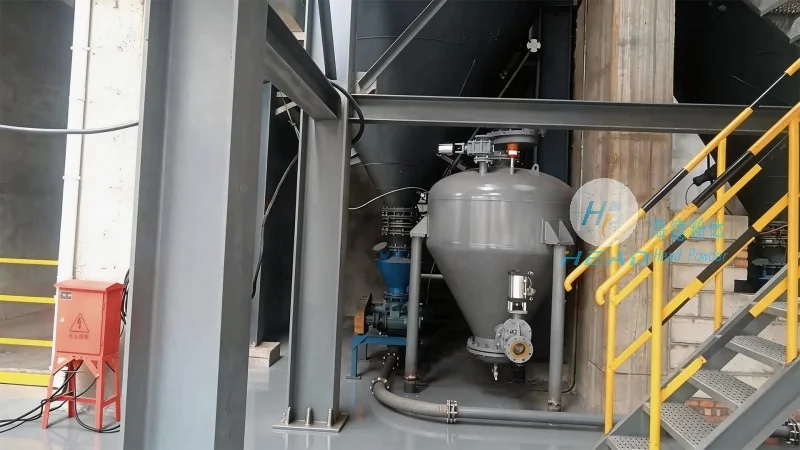
The primary goal of starch material conveying is to transport bulk starch powders or granules from one location to another within a production facility. This process relies on several key principles, including gravitational force, mechanical force, and pneumatic or hydraulic systems, depending on the specific material properties and operational requirements. For instance, when dealing with fine starch powders, air-assisted conveying systems are often employed to prevent material buildup and ensure smooth transport. In contrast, bulkier starch granules may be handled using screw conveyors or belt conveyors, which utilize mechanical force to move the material through pipelines or open channels.
One of the fundamental principles is the optimization of material flow to minimize friction and prevent clogging. This involves selecting appropriate conveyor components, such as flexible hoses, rigid pipes, or rotating screws, based on the starch's moisture content, particle size, and bulk density. The design of the conveying system must also account for the material's tendency to settle or agglomerate, which can impact the efficiency of the transport process. By addressing these factors, engineers can develop systems that maintain consistent material flow rates and reduce downtime due to blockages or inefficiencies.
Key Working Scene Characteristics of Starch Material Conveying Systems
The effectiveness of starch material conveying systems is heavily influenced by the specific working environments in which they are deployed. These characteristics include the scale of the operation, the type of starch being processed, the required throughput, and the environmental conditions of the facility. For example, in large-scale industrial plants, such as starch processing factories or food manufacturing facilities, the conveying systems must handle high volumes of material with minimal energy consumption and maximum reliability. This often involves the use of automated control systems that adjust conveyor speed and pressure based on real-time production demands.
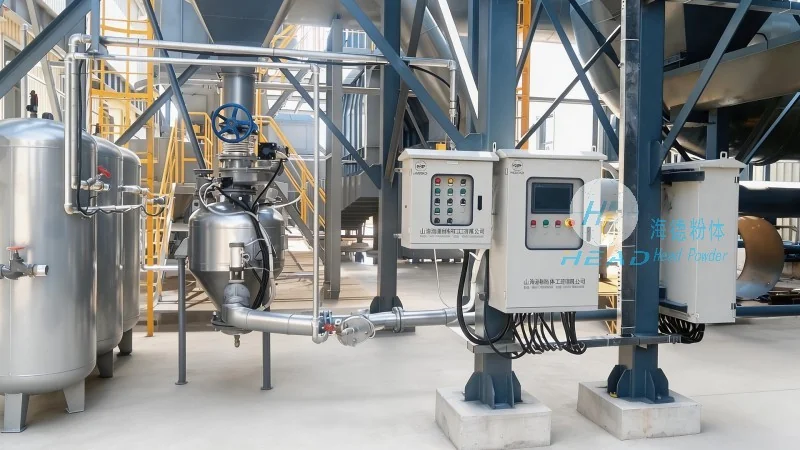
In contrast, smaller-scale applications, such as in research laboratories or small-scale food production units, may require more flexible and compact conveying solutions. These systems typically use smaller diameter pipes or portable conveyors that can be easily reconfigured to accommodate different starch types or processing steps. The working scene characteristics also extend to the environmental factors, such as temperature and humidity, which can affect the starch's physical properties and, consequently, the performance of the conveying equipment. For instance, in humid climates, the risk of starch caking or moisture absorption increases, necessitating the use of drying or anti-caking measures in the conveying system.
Application Scenarios and Industry-Specific Requirements
Starch material conveying systems are applied across a wide range of industries, each with its own unique requirements and challenges. In the food industry, for example, the conveying of starch is crucial for the production of various food products, including bread, pasta, and snacks. The systems must adhere to strict hygiene standards and be easy to clean to prevent cross-contamination. This often involves the use of stainless steel components and sanitary design features in the conveyor design.
In the pharmaceutical industry, starch is used as a filler or binder in tablet formulations. The conveying systems here must meet stringent regulatory requirements, including GMP (Good Manufacturing Practice) compliance. This means that the equipment must be designed to prevent contamination, ensure uniform material distribution, and allow for easy inspection and maintenance. The use of closed-loop conveying systems is common in pharmaceutical applications to maintain product integrity and prevent exposure to external contaminants.
In the chemical industry, starch may be used as a raw material or an additive in various chemical processes. The conveying systems in this sector must be robust enough to handle abrasive or corrosive materials, if present, and must be resistant to chemical reactions that could degrade the starch or the equipment itself. The selection of materials for the conveyor components, such as stainless steel or specialized plastics, is critical in these applications to ensure long-term durability and performance.
Company Information and Expertise in Starch Material Conveying
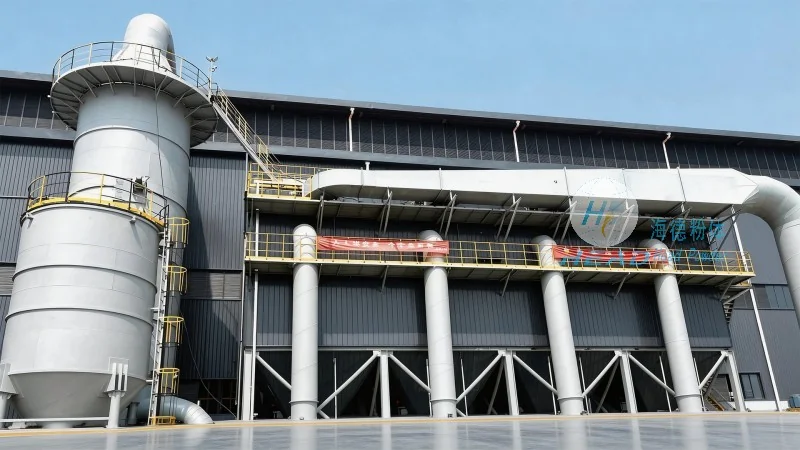
Shandong HeadPowder Engineering Co., Ltd., commonly known as headpowder, is a leading provider of specialized conveying solutions for starch and other bulk materials. With years of experience in the industry, the company has developed a comprehensive range of products and services tailored to the unique needs of starch processing facilities. Headpowder's expertise lies in designing and manufacturing custom conveying systems that optimize material flow, reduce energy consumption, and enhance operational efficiency. The company's commitment to quality and innovation has made it a trusted partner for many clients in the food, pharmaceutical, and chemical sectors.
Headpowder's facilities are located in Shandong, China, where the company leverages its local resources and expertise to serve both domestic and international markets. The company's team of engineers and technicians work closely with clients to understand their specific requirements and develop tailored solutions that meet their operational goals. Whether it's a new plant construction or the upgrade of an existing conveying system, headpowder provides comprehensive support from design and installation to maintenance and troubleshooting.
The company's product portfolio includes a variety of conveying equipment, such as pneumatic conveyors, screw conveyors, and belt conveyors, each designed to handle different types of starch materials and working conditions. By leveraging advanced technology and rigorous quality control processes, headpowder ensures that its products meet the highest standards of performance and reliability. This commitment to excellence has helped headpowder establish a strong reputation in the industry and build long-term relationships with its clients.




