

Operation Process and Working Principle of Dry Lime Pneumatic Conveying Equipment
HeadPowder, a leading manufacturer based in Shandong, China, specializes in the design and production of advanced pneumatic conveying systems tailored for handling dry lime. The operation of dry lime pneumatic conveying equipment involves a systematic process that ensures efficient material transport while maintaining product quality and system reliability. This article delves into the detailed operation process and underlying working principles of such equipment, providing insights into how these systems function to meet industrial demands.
System Overview and Key Components
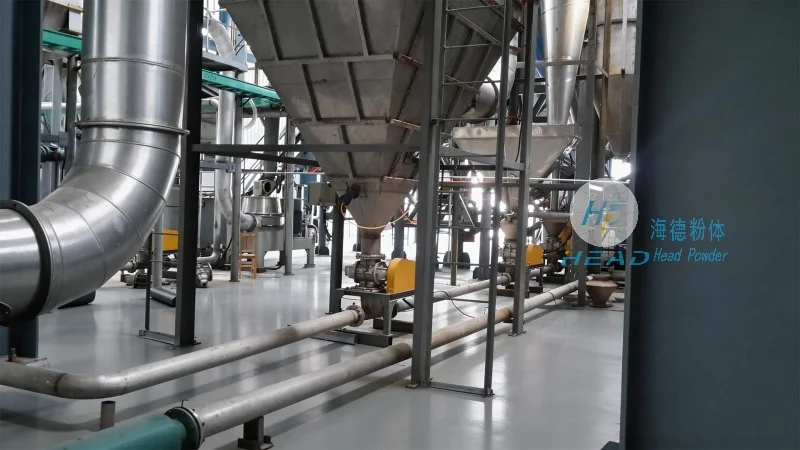
The dry lime pneumatic conveying system typically consists of several core components that work in tandem to facilitate material transport. These include a feeding device, a pneumatic conveying pipeline, a compressed air source, a separation and recovery unit, and a control system. Each component plays a crucial role in the overall operation, ensuring smooth and continuous material movement from the source to the destination.
Working Principle of Pneumatic Conveying
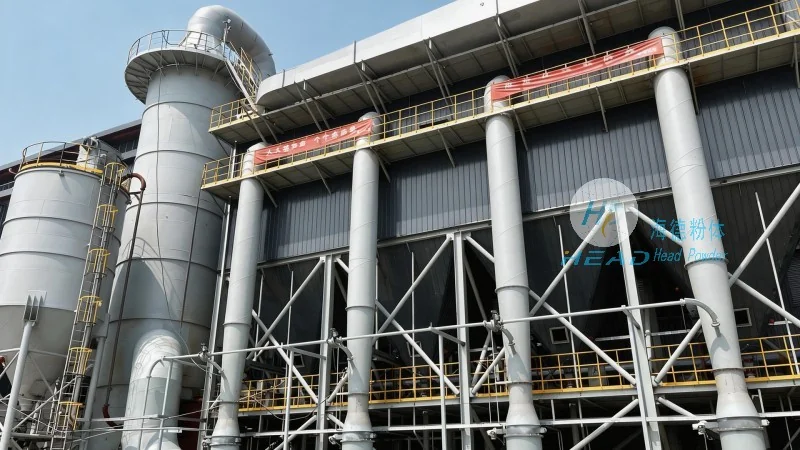
The fundamental principle of pneumatic conveying is the use of compressed air to create a flow that transports dry lime particles through a pipeline. The process relies on the generation of a pressure differential between the inlet and outlet of the system. When compressed air is introduced into the conveying line, it creates a low-pressure zone that draws the dry lime particles into the pipeline. The air velocity within the pipeline is carefully controlled to ensure that the particles are suspended and transported without causing excessive wear or degradation. This method is particularly effective for handling dry lime, which is often used in industrial applications such as flue gas desulfurization, where precise control over material distribution is critical.
Step-by-Step Operation Process
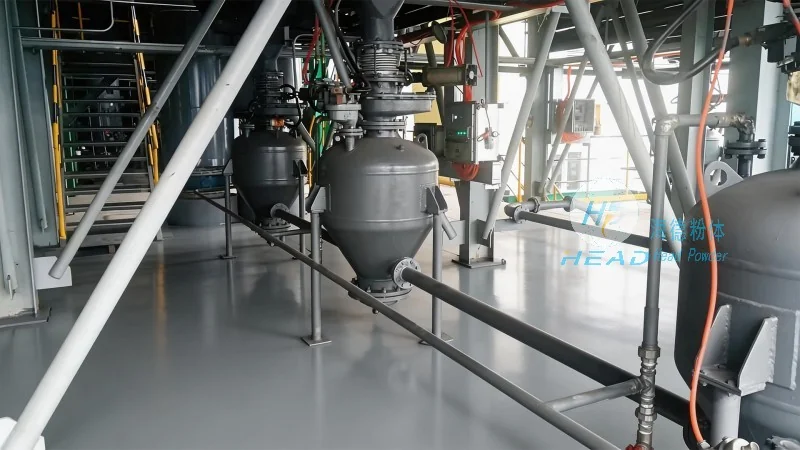
The operation of the dry lime pneumatic conveying equipment follows a structured sequence to ensure safe and efficient performance. The process begins with the preparation phase, where the system is checked for any potential issues, and the compressed air supply is verified. Next, the feeding device is activated to introduce the dry lime into the conveying pipeline. The compressed air is then turned on, creating the necessary airflow to initiate the conveying process. As the dry lime particles are drawn into the pipeline, they are suspended by the air flow and transported to the desired destination. The system continues to operate until the required amount of material has been transferred, at which point the feeding device is stopped, and the compressed air is gradually reduced to a safe level before the system is fully shut down.
Key Considerations for Optimal Performance
To ensure the reliable operation of dry lime pneumatic conveying equipment, several factors must be considered. The selection of appropriate air velocity is critical, as it directly impacts the efficiency of material transport and the wear on system components. Additionally, the design of the feeding device must be optimized to prevent material bridging or blockages, which can lead to system downtime. Regular maintenance of the compressed air source and separation unit is also essential to maintain system performance and extend the lifespan of the equipment. HeadPowder's expertise in customizing these systems ensures that clients receive solutions tailored to their specific operational requirements, enhancing overall productivity and reducing maintenance costs.
Conclusion
The operation of dry lime pneumatic conveying equipment is a sophisticated process that combines mechanical engineering principles with careful system design. By understanding the working principles and following the proper operation procedures, industrial facilities can achieve efficient and reliable transport of dry lime, supporting their production processes effectively. HeadPowder, with its commitment to quality and innovation, continues to provide advanced solutions that meet the evolving needs of the industry, ensuring that clients can rely on their equipment for consistent performance and long-term operational success.