

Operation Process and Working Principle of Caustic Soda Powder Pneumatic Conveying Equipment
Caustic soda, also known as sodium hydroxide, is a widely used chemical in various industrial applications, including manufacturing, water treatment, and chemical processing. The efficient and safe handling of caustic soda powder is crucial for industrial operations, and pneumatic conveying systems have emerged as a reliable solution. This article explores the operation process and working principle of caustic soda powder pneumatic conveying equipment, highlighting the key components and mechanisms involved. The systems are designed and manufactured by Shandong HeadPowder Engineering Co., Ltd., a leading company in the field, with a focus on providing high-quality and reliable solutions for industrial material handling.
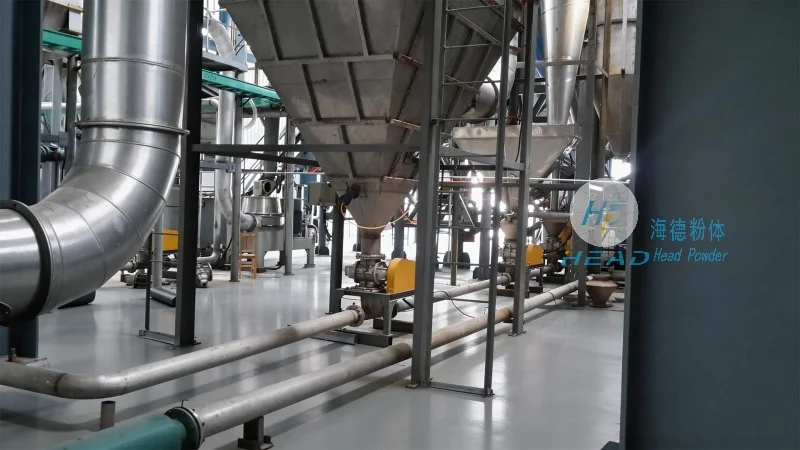
Key Components of Pneumatic Conveying Systems
The pneumatic conveying system for caustic soda powder typically consists of several essential components that work in tandem to ensure smooth material transport. These components include a hopper for material storage, a feeder to control the flow rate, a conveying line (usually made of stainless steel to resist corrosion), a dust collector to capture fine particles, and a receiver for the discharged material. Each component plays a critical role in maintaining the system's efficiency and safety.
Working Principle of the Conveying Process
The operation of a caustic soda powder pneumatic conveying system follows a systematic process. Initially, the caustic soda powder is fed from the hopper into the conveying line through a feeder. The feeder regulates the flow rate to prevent overloading or underloading, which could affect the system's performance. Next, a fan or blower generates the necessary air pressure to move the powder particles through the conveying line. The air flow carries the powder in a dilute or dense phase, depending on the system design. In the dilute phase, the powder is suspended in the air stream, while in the dense phase, the powder forms a slurry-like mixture with the air. The conveying line may include bends, elbows, or other fittings to direct the material to the desired destination. At the end of the line, a receiver collects the discharged powder, and a dust collector captures any fine particles that may have escaped, ensuring environmental compliance and safety.
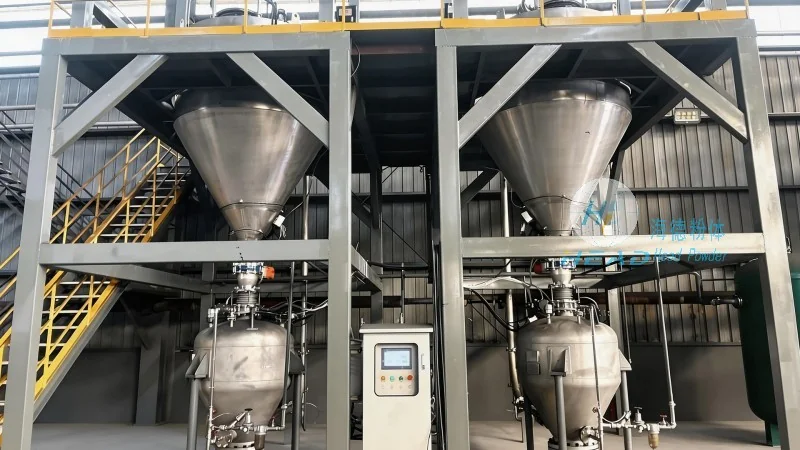
Operation Process: Step-by-Step Overview
The operation process of the caustic soda powder pneumatic conveying system can be broken down into several key steps. First, the system is prepared by ensuring all components are properly installed and maintained. The hopper is filled with caustic soda powder, and the feeder is adjusted to the desired flow rate. The fan or blower is then activated, creating the air pressure needed for conveying. As the powder is fed into the line, it is carried by the air stream to the receiver. The system continues to operate until the hopper is empty or the desired amount of powder has been transported. During operation, monitoring devices track parameters such as pressure, flow rate, and temperature to ensure optimal performance. Any deviations are addressed promptly to prevent system failures or material loss.
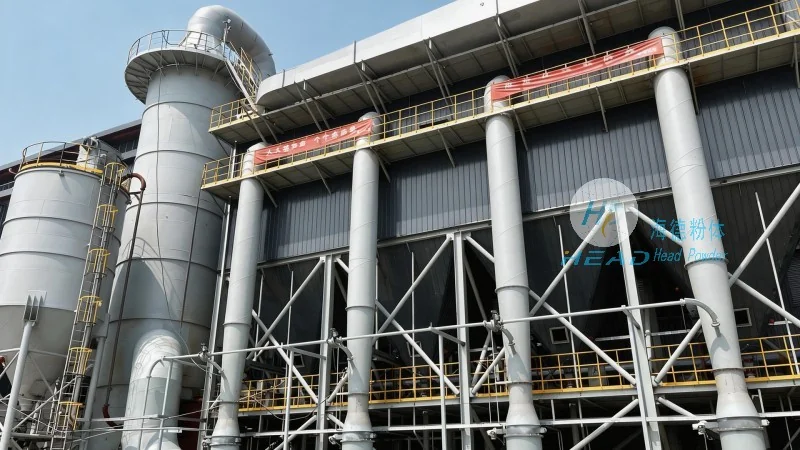
Advantages of Pneumatic Conveying for Caustic Soda Powder
Pneumatic conveying systems offer several advantages when handling caustic soda powder. One of the primary benefits is the ability to transport the material in a closed system, which minimizes dust exposure and environmental contamination. This is particularly important for caustic soda, which can be hazardous if inhaled or come into contact with skin. Additionally, pneumatic conveying systems are flexible and can be adapted to various industrial settings, including different plant layouts and production scales. The systems also reduce labor costs by automating the material handling process, improving safety and efficiency. Furthermore, the use of stainless steel components ensures corrosion resistance, extending the system's lifespan and reducing maintenance requirements.
Maintenance and Safety Considerations
Maintaining the pneumatic conveying system for caustic soda powder is essential to ensure its longevity and safe operation. Regular maintenance includes checking the fan or blower for proper performance, inspecting the conveying line for any blockages or leaks, and cleaning the hopper and receiver to prevent material buildup. Safety considerations are paramount due to the hazardous nature of caustic soda. The system should be equipped with appropriate safety features, such as pressure relief valves and dust collection systems, to prevent accidents. Personnel operating the system must follow safety protocols, including wearing protective gear and ensuring proper ventilation. Regular training and inspections help ensure that the system operates safely and efficiently.