

Operation Process and Working Principle of Sodium Nitrate Pneumatic Conveying Equipment
Sodium nitrate, a vital chemical compound utilized across agriculture, industry, and other sectors, often requires efficient and reliable transportation methods to ensure smooth operations. Pneumatic conveying systems have emerged as a preferred solution for handling sodium nitrate due to their ability to transport bulk materials over extended distances with minimal maintenance and environmental impact. This article explores the operation process and working principle of sodium nitrate pneumatic conveying equipment, highlighting key components, operational steps, and technical aspects that contribute to its effectiveness.
Company Introduction: Shandong HeadPowder Engineering Co., Ltd.
HeadPowder, a leading manufacturer in the field of bulk material handling solutions, specializes in designing and manufacturing advanced pneumatic conveying systems tailored to diverse industry needs. With a strong commitment to quality and innovation, the company has established itself as a trusted partner for clients seeking efficient and reliable equipment for transporting sodium nitrate and other bulk materials. HeadPowder's expertise in engineering and manufacturing ensures that their pneumatic conveying systems meet the highest standards of performance, safety, and durability. The company's headquarters is located in Shandong, China, where it operates a state-of-the-art manufacturing facility equipped with modern technology and skilled personnel.
Overview of Sodium Nitrate Pneumatic Conveying Equipment
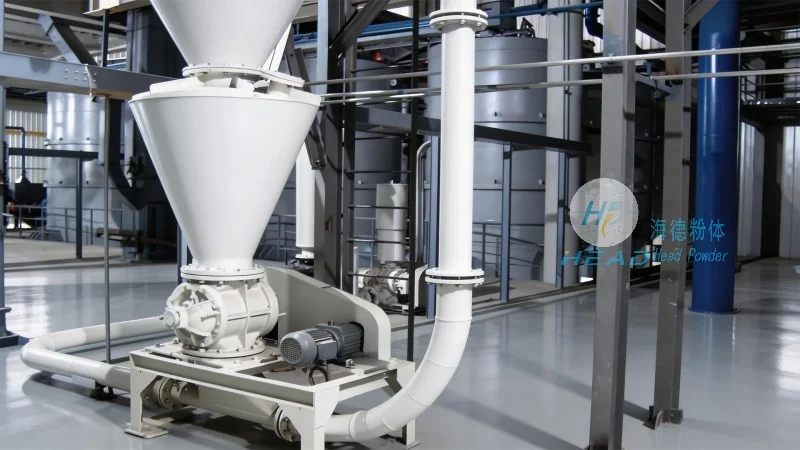
Sodium nitrate pneumatic conveying equipment is a sophisticated system designed to transport sodium nitrate from a storage or processing area to a destination such as a silo, reactor, or packaging unit. The system typically comprises several key components, including a hopper, feeder, air compressor, pipeline network, and a receiver or discharge unit. Each component plays a crucial role in the overall operation of the system, working in tandem to ensure efficient and safe material transport. The equipment is engineered to handle the specific properties of sodium nitrate, such as its granular or powder form, and to minimize the risk of material degradation or contamination during transit.
Operation Process of Sodium Nitrate Pneumatic Conveying Equipment
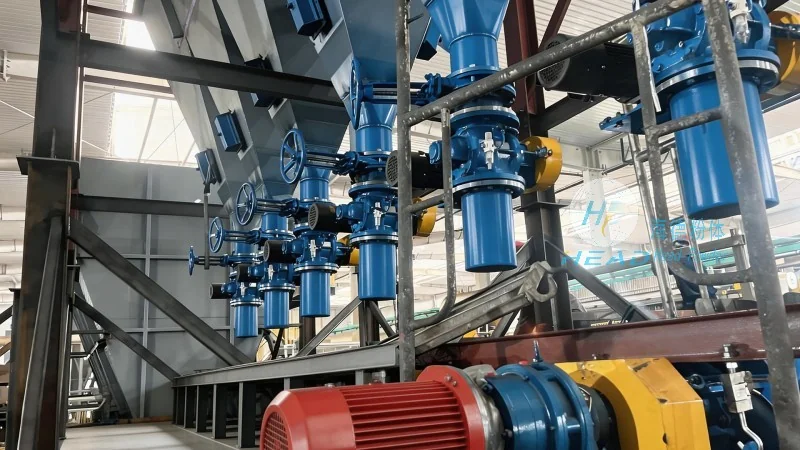
The operation of sodium nitrate pneumatic conveying equipment involves a series of sequential steps that ensure the smooth and continuous transport of the material. The process begins with the loading of sodium nitrate into the hopper, where the material is stored and prepared for transport. The feeder then regulates the flow of sodium nitrate from the hopper into the pipeline, ensuring a consistent and controlled feed rate. Simultaneously, the air compressor generates high-pressure air that is introduced into the pipeline, creating a flow of air that carries the sodium nitrate particles through the system. The air and material mixture travels through the pipeline network, which may include bends, valves, and other components, to reach the receiver or discharge unit. At the destination, the air is separated from the sodium nitrate, and the material is collected in the receiver. The air is then discharged or recirculated back into the system, depending on the design of the equipment. This continuous cycle allows for the efficient and reliable transport of sodium nitrate over long distances, minimizing downtime and maximizing productivity.
Working Principle of Sodium Nitrate Pneumatic Conveying Equipment
The working principle of sodium nitrate pneumatic conveying equipment is based on the fundamental concept of pneumatic transport, where air is used as the conveying medium to move bulk materials. The system operates on the principle of creating a pressure differential between the inlet and outlet of the pipeline, which generates a flow of air that carries the sodium nitrate particles. The air compressor provides the necessary pressure to overcome the resistance of the pipeline and the weight of the material, ensuring that the material is transported efficiently. The feeder plays a critical role in maintaining a consistent flow rate of sodium nitrate, preventing blockages or uneven flow that could lead to system inefficiencies. The pipeline network is designed to minimize pressure losses and ensure that the material is transported at an optimal velocity, which is crucial for preventing material degradation or clogging. The receiver or discharge unit is responsible for separating the air from the material and collecting the sodium nitrate, completing the transport process. The entire system is controlled by a series of sensors and controls that monitor parameters such as pressure, flow rate, and material level, ensuring that the equipment operates within safe and efficient parameters.
Key Components and Their Functions
Several key components are integral to the operation of sodium nitrate pneumatic conveying equipment, each with a specific function that contributes to the overall performance of the system. The hopper serves as the storage and feeding unit, where sodium nitrate is stored and prepared for transport. The feeder, typically a rotary valve or screw feeder, regulates the flow of sodium nitrate from the hopper into the pipeline, ensuring a consistent and controlled feed rate. The air compressor generates high-pressure air that is introduced into the pipeline, creating a flow of air that carries the sodium nitrate particles. The pipeline network consists of pipes, bends, and valves that guide the air and material mixture to the receiver or discharge unit. The receiver or discharge unit is responsible for separating the air from the material and collecting the sodium nitrate. Additionally, the system may include filters, cyclones, or other separation devices to remove any dust or debris from the air before it is discharged or recirculated. Each component is designed to work in harmony with the others, ensuring that the system operates efficiently and safely.
Advantages of Sodium Nitrate Pneumatic Conveying Equipment
Sodium nitrate pneumatic conveying equipment offers several advantages over traditional material handling methods, making it an ideal choice for transporting sodium nitrate in various industrial applications. One of the primary advantages is the ability to transport bulk materials over long distances without the need for intermediate storage or handling. This reduces the risk of material degradation or contamination and minimizes the need for manual labor, leading to increased efficiency and cost savings. The system is also highly flexible, allowing for easy integration with existing processing equipment and the ability to adapt to changing production needs. Additionally, pneumatic conveying systems are relatively low maintenance, with fewer moving parts compared to other material handling methods, reducing downtime and maintenance costs. The equipment is also designed to minimize environmental impact, with features such as dust collection and air filtration that help to reduce emissions and comply with environmental regulations. Overall, sodium nitrate pneumatic conveying equipment provides a reliable, efficient, and cost-effective solution for transporting sodium nitrate, making it a preferred choice for many industries.
Applications and Industries Using Sodium Nitrate Pneumatic Conveying Equipment
Sodium nitrate pneumatic conveying equipment is widely used in various industries that require the transportation of bulk materials, including agriculture, chemical manufacturing, food processing, and mining. In the agricultural sector, sodium nitrate is used as a fertilizer, and pneumatic conveying systems are used to transport it from storage facilities to farms or processing plants. In the chemical industry, sodium nitrate is used as a raw material in the production of explosives, fertilizers, and other chemicals, and the equipment is used to transport it between processing units. In the food processing industry, sodium nitrate is used as a preservative and flavor enhancer, and the system is used to transport it to food processing facilities. In the mining industry, sodium nitrate is used as a blasting agent, and the equipment is used to transport it to mining sites. The versatility of the system makes it suitable for a wide range of applications, and its ability to handle various bulk materials makes it a valuable asset for many industries.
Maintenance and Safety Considerations
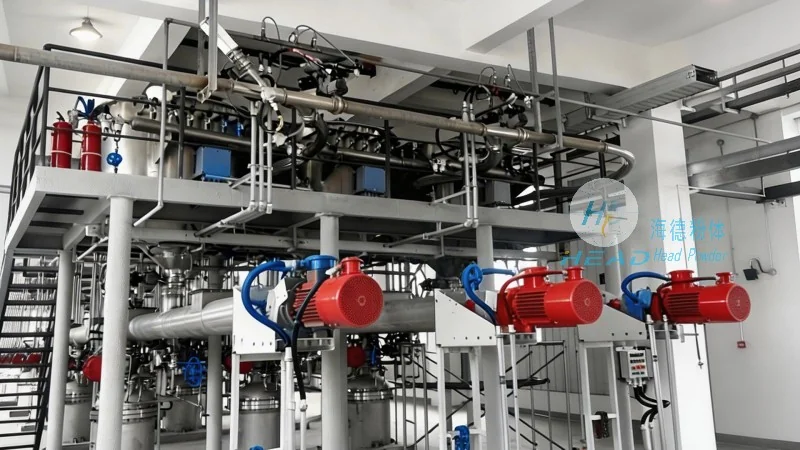
Maintenance and safety are critical aspects of operating sodium nitrate pneumatic conveying equipment to ensure its longevity and safe operation. Regular maintenance is essential to keep the system running efficiently and to prevent breakdowns or malfunctions. This includes routine checks of the air compressor, feeder, and pipeline network, as well as cleaning and replacement of filters and other components. The system should also be inspected regularly for signs of wear and tear, and any issues should be addressed promptly to prevent further damage. Safety considerations are also important, as the system involves high-pressure air and moving parts that can pose a risk to operators. Proper training and safety protocols should be followed to minimize the risk of accidents or injuries. Additionally, the system should be equipped with safety features such as pressure relief valves, emergency shut-off switches, and dust collection systems to ensure safe operation. By following proper maintenance and safety procedures, operators can ensure that the sodium nitrate pneumatic conveying equipment operates safely and efficiently for an extended period.
Conclusion
Sodium nitrate pneumatic conveying equipment is a highly effective and reliable solution for transporting sodium nitrate in various industrial applications. The system's ability to handle bulk materials over long distances with minimal maintenance and environmental impact makes it an ideal choice for many industries. With its advanced design and components, the equipment ensures efficient and safe operation, contributing to increased productivity and cost savings. As a leading manufacturer in the field, Shandong HeadPowder Engineering Co., Ltd. provides high-quality pneumatic conveying systems that meet the specific needs of clients, ensuring that they receive a reliable and durable solution for their material handling requirements. By understanding the operation process and working principle of sodium nitrate pneumatic conveying equipment, clients can make informed decisions about their material handling needs and choose the best equipment for their applications.