Broken bag material conveying systems are critical components in industrial material handling processes, particularly in environments where bulk materials are stored, transported, or processed. These systems are designed to address the challenges associated with broken or torn bags, which can lead to material spillage, loss, and operational inefficiencies. The primary function of such systems is to capture, transport, and process materials that have escaped from damaged bags, ensuring a continuous and efficient material flow. By integrating advanced engineering and technology, these systems provide reliable solutions for industries dealing with diverse bulk materials.
Core Principles of Broken Bag Material Conveying
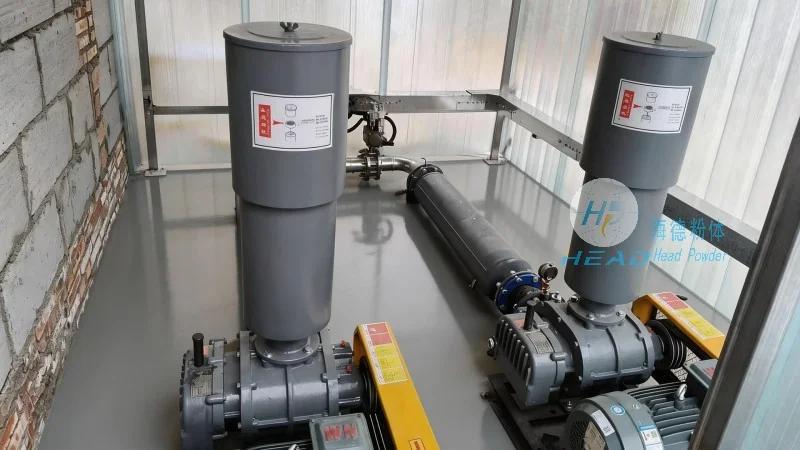
The fundamental principle of broken bag material conveying revolves around the use of specialized equipment to collect and move material from broken bags. This typically involves mechanisms like vacuum systems, conveyor belts, and collection hoppers. The system operates by creating a controlled suction or movement that draws the material into the collection device, preventing it from scattering or being lost. The design of these systems is tailored to the specific characteristics of the material, including its size, density, and flow properties. For instance, some systems may utilize flexible hoses or adjustable nozzles to adapt to different bag sizes and material types. The efficiency of the conveying process is paramount, as it directly impacts the overall productivity of the industrial operation and the integrity of the material being handled.
Key Working Scene Characteristics
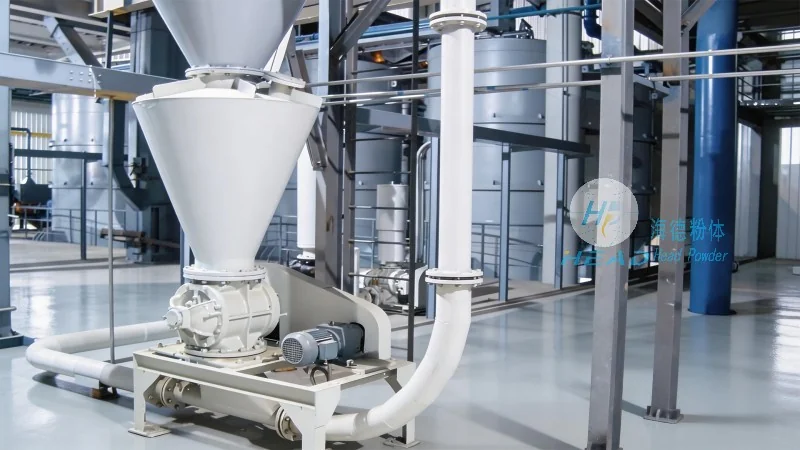
One of the primary characteristics of broken bag material conveying systems is their adaptability to various industrial settings. These systems are commonly employed in facilities that handle large volumes of bulk materials, such as grain processing plants, chemical manufacturing facilities, and mining operations. The working scenes often involve high-volume material flow, where broken bags can occur frequently due to handling, storage, or transportation conditions. Another key characteristic is the emphasis on safety and environmental compliance. By effectively capturing and containing broken bag materials, these systems help prevent dust emissions, reduce material loss, and minimize the risk of accidents or environmental contamination. Additionally, the systems are designed for ease of maintenance and operation, featuring automated controls, quick-access components, and user-friendly interfaces that reduce downtime and maintenance costs.
About Shandong HeadPowder Engineering Co., Ltd.
Shandong HeadPowder Engineering Co., Ltd., commonly known as headpowder, is a leading provider of specialized material handling solutions. Headpowder has established itself as a trusted partner in the industry, with a focus on innovation and customer-centric design. The company's headquarters is located in Shandong, China, and it serves a wide range of industries, including food processing, pharmaceuticals, chemicals, and mining. With a team of experienced engineers and technicians, headpowder specializes in developing and manufacturing advanced conveying systems tailored to meet the unique needs of industrial clients. The company's commitment to quality, reliability, and sustainability has earned it a strong reputation among clients in China and internationally. Headpowder's solutions are designed to enhance operational efficiency, reduce waste, and improve overall productivity for businesses dealing with bulk materials and broken bag scenarios.
Applications and Operational Benefits
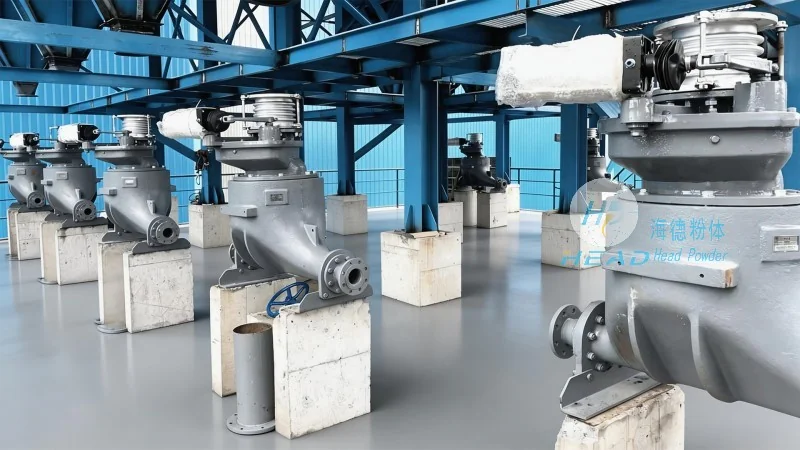
Broken bag material conveying systems find widespread application across multiple industries. In the food processing sector, these systems are essential for managing broken bags of grains, cereals, and other food products, ensuring that the material is safely transported to processing lines without contamination or loss. In the pharmaceutical industry, the systems are critical for maintaining the purity and integrity of raw materials, as any exposure to contaminants can have serious implications for product quality and safety. The chemical industry also benefits significantly from these systems, as they help handle broken bags of powders and chemicals, preventing spills and ensuring safe handling procedures. The operational benefits of broken bag material conveying systems include increased productivity, reduced labor costs, and enhanced workplace safety. By automating the process of collecting and conveying broken bag materials, companies can streamline their workflows, minimize material loss, and improve overall operational efficiency. Additionally, these systems contribute to environmental sustainability by reducing dust emissions and minimizing waste, aligning with modern industrial standards and regulations.




