

Operation Process and Working Principle of Lithium Oxalate Pneumatic Conveying Equipment
Lithium oxalate is a critical chemical compound widely used in various industrial applications, including battery manufacturing, pharmaceuticals, and specialty chemicals. The efficient and safe handling of lithium oxalate powder is essential for maintaining product quality and operational safety. Pneumatic conveying systems, particularly those designed for handling fine powders like lithium oxalate, offer a reliable solution to transport materials from one location to another without the need for mechanical components that might cause contamination or product degradation.
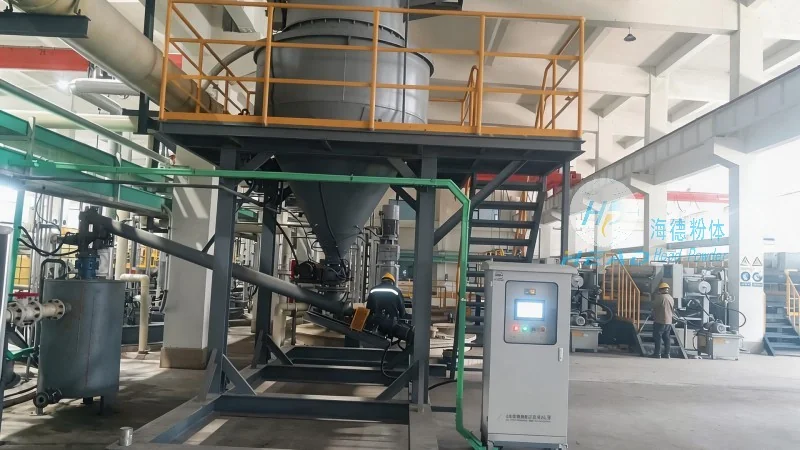
HeadPowder, a leading manufacturer based in Shandong, China, specializes in the design, manufacturing, and supply of advanced pneumatic conveying equipment tailored for high-purity applications. The company's expertise in material handling technology ensures that their lithium oxalate pneumatic conveying systems meet stringent industry standards for cleanliness, efficiency, and durability.
Operation Process of Lithium Oxalate Pneumatic Conveying System
The operation process of a lithium oxalate pneumatic conveying system involves several key steps that ensure smooth and continuous material transport. The system typically consists of a hopper, a feeder, a conveying line, and a receiver. The process begins with the material being stored in the hopper. The feeder then meters the material at a controlled rate, ensuring consistent flow into the conveying line. Compressed air or gas is introduced into the system, creating a flow that carries the powder particles through the pipeline. The conveying line is designed with appropriate bends and fittings to minimize pressure loss and maintain the flow velocity necessary for effective transport. The receiver at the end of the line collects the conveyed material, completing the process.
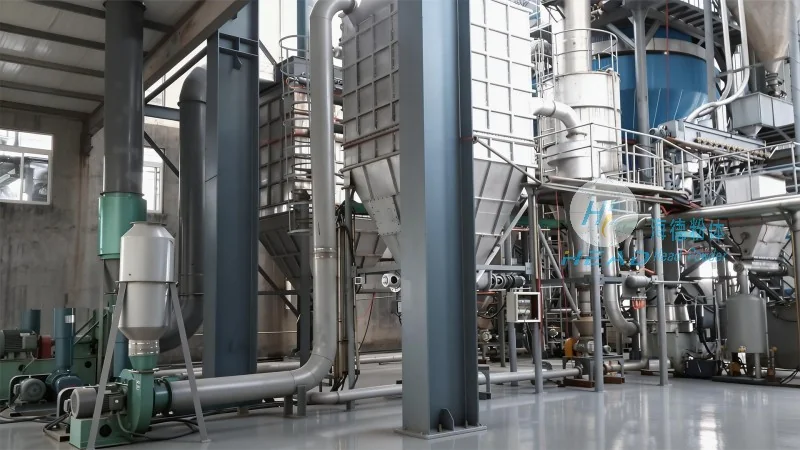
Working Principle of Pneumatic Conveying System
The working principle of the pneumatic conveying system relies on the principles of fluid dynamics and particle transport. When compressed air is introduced into the conveying line, it creates a low-pressure zone that draws the powder particles into the air stream. The air velocity is maintained above the minimum fluidization velocity of the powder, which prevents the particles from settling and ensures they remain suspended in the gas stream. The system uses positive pressure or negative pressure (or a combination of both) depending on the application requirements. Positive pressure systems are commonly used for long-distance or high-capacity transport, as they can maintain consistent pressure and flow. Negative pressure systems are often used for short-distance or dusty applications, as they help contain dust and prevent environmental contamination.
Key Components and Design Considerations
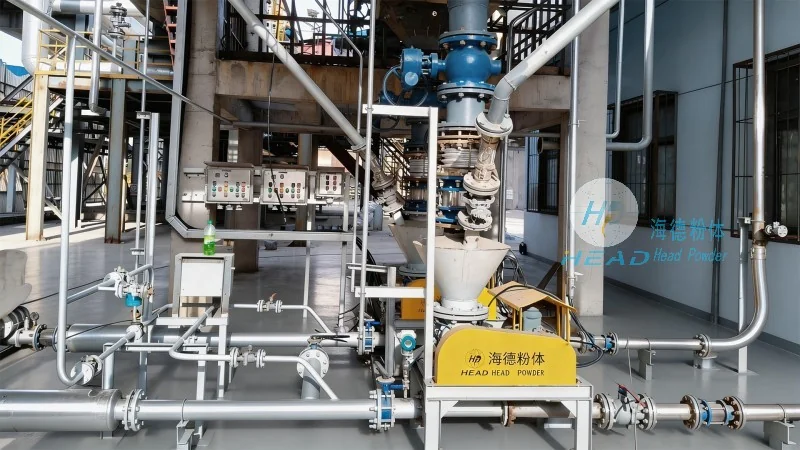
Key components of the lithium oxalate pneumatic conveying system include the hopper, which provides a storage and feeding function; the feeder, which controls the material flow rate; the conveying line, which transports the material; and the receiver, which collects the material at the destination. The hopper is typically made of stainless steel or other corrosion-resistant materials to prevent contamination of the lithium oxalate powder. The feeder may use a rotary valve or a screw feeder to ensure accurate and consistent material discharge. The conveying line is usually made of stainless steel or PTFE-coated tubing to prevent material buildup and ensure smooth flow. The receiver is designed to handle the incoming material and may include a dust collection system to maintain a clean environment.
HeadPowder's Expertise in Lithium Oxalate Handling
HeadPowder's lithium oxalate pneumatic conveying equipment is engineered to handle the unique properties of lithium oxalate, such as its fine particle size and hygroscopic nature. The system is designed to minimize product exposure to moisture and air, which can affect the quality and performance of the material. The equipment includes features like closed-loop systems and air filtration to ensure that the material remains in a controlled environment throughout the conveying process.
Conclusion
In summary, the operation process and working principle of lithium oxalate pneumatic conveying equipment involve precise control of material flow, air pressure, and system components to ensure efficient and safe transport. HeadPowder's expertise in this field ensures that their systems are tailored to meet the specific needs of clients, providing reliable and high-performance solutions for handling lithium oxalate powder.