

Operation Process and Working Principle of Magnesium Sulfate Pneumatic Conveying Equipment
For industrial applications involving the handling of magnesium sulfate, efficient and reliable material transport is crucial. The pneumatic conveying system, particularly designed for magnesium sulfate, offers a solution that combines performance with operational simplicity. This article explores the operation process and working principle of such equipment, highlighting its key components, operational steps, and the benefits it provides in material handling.
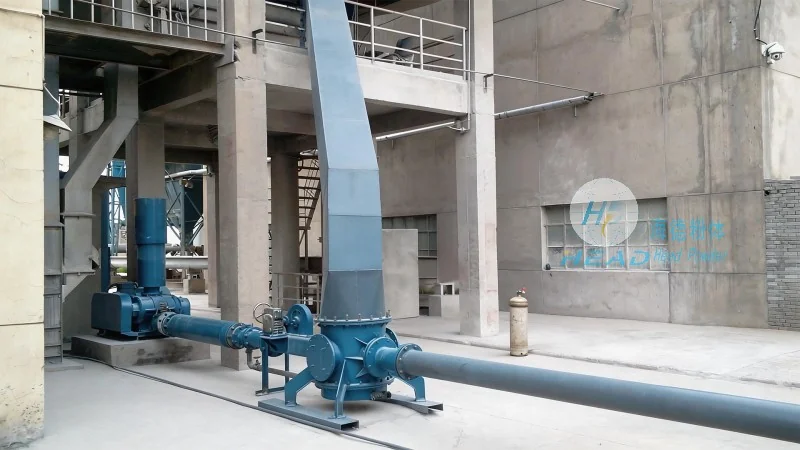
Overview of Magnesium Sulfate Pneumatic Conveying Equipment
Magnesium sulfate, commonly known as Epsom salt, is widely used in various industries including pharmaceuticals, agriculture, and chemical manufacturing. Handling this material efficiently requires equipment that can manage its flow without causing degradation or contamination. The pneumatic conveying system from Shandong HeadPowder Engineering Co., Ltd. is engineered to meet these demands, ensuring smooth and consistent transport of magnesium sulfate from storage to processing or packaging areas.
Key Components of the Pneumatic Conveying System
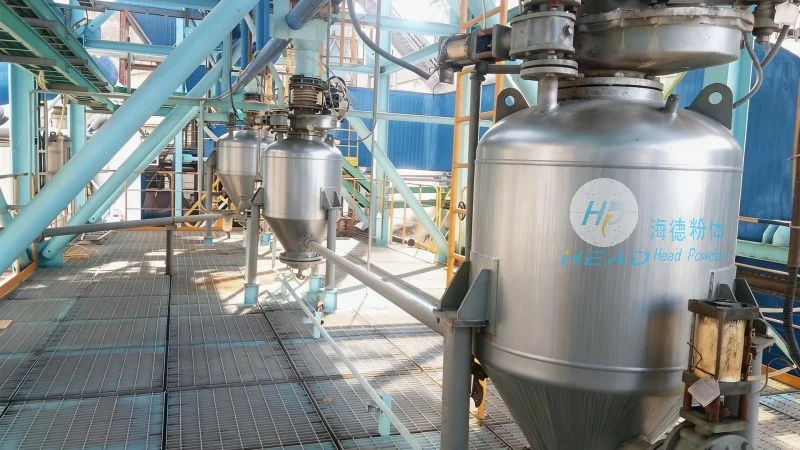
The magnesium sulfate pneumatic conveying equipment typically consists of several critical components that work in tandem to achieve effective material transport. These include the hopper or storage silo, a rotary valve or feeder for controlled material discharge, a pipeline system, a fan or blower to generate the necessary air pressure, and a receiver or discharge hopper at the destination. Each component plays a vital role in the overall operation, ensuring that the material is conveyed safely and efficiently.
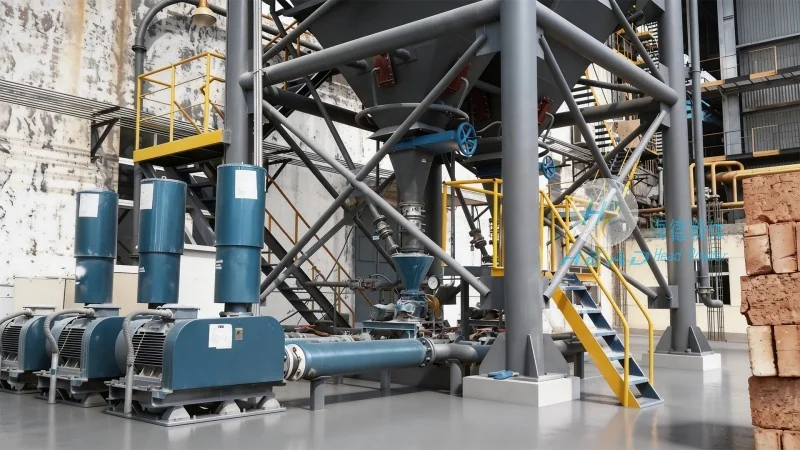
Working Principle of Pneumatic Conveying
The core principle behind pneumatic conveying is the use of air to move solid materials through a pipeline. In the case of magnesium sulfate, the system operates by creating a flow of air that carries the material particles. The process begins with the material being discharged from the hopper into the feeder, which then feeds the material into the pipeline. Simultaneously, the fan or blower generates a high-pressure air stream that propels the material forward. The air and material mixture travels through the pipeline to the receiving hopper, where the material is separated from the air and collected.
Operation Process: Step-by-Step Guide
The operation of the magnesium sulfate pneumatic conveying system follows a systematic process to ensure optimal performance. The steps are as follows:
- Material Loading: Magnesium sulfate is loaded into the storage hopper or silo. The hopper is designed to maintain the material in a consistent condition, preventing caking or bridging that could affect flow.
- Feeding and Metering: A rotary valve or feeder is used to control the flow rate of magnesium sulfate from the hopper into the conveying pipeline. This step ensures that the material is fed at a steady rate, matching the system's capacity and preventing overloading.
- Air Generation: The fan or blower is activated, generating a high-pressure air stream. The air pressure is carefully regulated to match the material's characteristics and the pipeline length, ensuring efficient transport without excessive energy consumption.
- Conveying: The air and magnesium sulfate mixture travels through the pipeline. The velocity of the air is maintained above the material's settling velocity to keep the particles suspended and prevent blockages.
- Receiving and Discharge: At the destination, the material is deposited into the receiving hopper. The air is then filtered and discharged, while the magnesium sulfate is collected for further processing or packaging.
Advantages of Magnesium Sulfate Pneumatic Conveying Equipment
The pneumatic conveying system for magnesium sulfate offers several advantages over traditional methods such as belt conveyors or bucket elevators. These benefits include:
- Continuous and Uninterrupted Flow: The system allows for continuous material transport without the need for manual intervention or frequent stops, improving production efficiency.
- Reduced Downtime and Maintenance: With fewer moving parts compared to mechanical conveyors, the pneumatic system experiences less wear and tear, leading to lower maintenance costs and longer operational life.
- Prevention of Material Contamination: The enclosed pipeline system prevents exposure to dust, moisture, or other contaminants, maintaining the purity of magnesium sulfate, which is critical for pharmaceutical and food-grade applications.
- Flexibility in Layout: The system can be easily integrated into existing facilities with flexible pipeline routing, allowing for adaptation to different plant layouts and expansion needs.
Application Considerations and Best Practices
When implementing a magnesium sulfate pneumatic conveying system, several factors should be considered to ensure optimal performance. These include the material's bulk density, particle size distribution, and flow characteristics. Proper sizing of the hopper, feeder, and pipeline is essential to prevent blockages and ensure consistent flow. Additionally, regular maintenance of the fan, filters, and pipeline components is necessary to maintain system efficiency and longevity.
Conclusion
The operation process and working principle of magnesium sulfate pneumatic conveying equipment, as provided by Shandong HeadPowder Engineering Co., Ltd., represent a reliable and efficient solution for material handling in various industrial applications. By understanding the key components, operational steps, and benefits of this system, industries can enhance their production processes, reduce costs, and ensure the quality of their magnesium sulfate products. The pneumatic conveying system not only improves operational efficiency but also contributes to a safer and more environmentally friendly material handling environment.